
Sea foam: what it is, when it's harmless, and when it's a warning
Sea foam is usually harmless — churned-up natural organic matter — but sometimes it signals an algal bloom. Here's what sea foam is, why it forms, when it's fine, and when to be cautious.
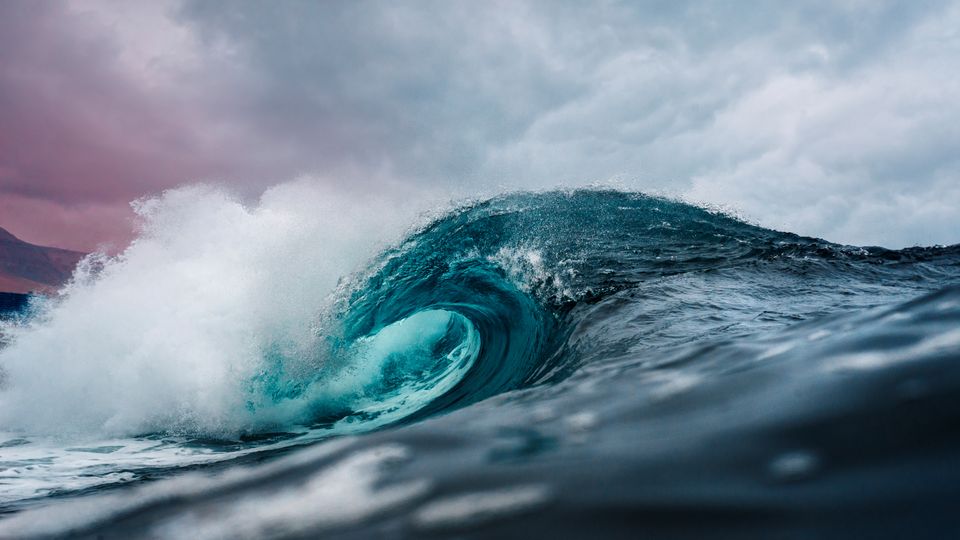
White foam on the sea and along the shoreline is a common sight, and it's usually completely harmless — churned-up natural organic matter, like a natural bubble bath. But occasionally, sea foam can signal an algal bloom, some of which are harmful, so it's worth knowing the difference. Understanding what sea foam is, why it forms, and when the usually-benign foam warrants caution helps you enjoy the beach with the right, calm level of awareness.
This guide explains what sea foam is, why it forms, when it's harmless (almost always), and the less common situations when foam signals something — like a harmful algal bloom — to be cautious about.
- Sea foam is usually harmless — churned-up natural organic matter (proteins, algae, etc.) whipped into bubbles.
- It forms when agitated water (waves, wind) mixes with dissolved organic material, like a natural bubble bath.
- The vast majority of sea foam is completely benign and a normal part of the sea.
- Occasionally, large or discoloured foam can accompany an algal bloom, some of which are harmful.
- Be cautious if foam comes with discoloured water, a bad smell, dead fish, or bloom warnings.
- Heed local advisories; when foam is unusual or with warning signs, avoid contact and swimming.
Quick answer: is sea foam dangerous?
Almost always, no — sea foam is usually harmless, formed when waves and wind churn up natural dissolved organic matter (proteins from algae, plankton and other marine material) into bubbles, essentially a natural bubble bath. The vast majority of the white foam you see on the sea and shore is completely benign and a normal feature of the ocean. Occasionally, though, foam can be associated with an algal bloom, and some algal blooms are harmful (producing toxins or irritants), so in specific situations foam warrants caution. The warning signs are foam accompanying discoloured water (red, brown, green tides), a strong unpleasant smell, dead fish or marine life, or official algal-bloom advisories. Absent these signs, ordinary sea foam is nothing to worry about; with them, avoid contact and heed local warnings.
So sea foam is almost always harmless natural churned-up organic matter, and only occasionally a sign of a (sometimes harmful) algal bloom. Enjoy ordinary foam without worry, but be cautious if it comes with discoloured water, bad smells, dead fish, or bloom warnings.
What sea foam is and why it forms
Sea foam forms when seawater containing dissolved organic matter is agitated. The sea naturally contains dissolved organic materials — proteins, fats and other compounds from algae, plankton, decaying marine plants and animals, and other sources. These act like surfactants (soap-like substances), reducing the water's surface tension, so when the water is churned up by waves, wind, and currents, it whips into a mass of bubbles — foam — much as agitating soapy water creates suds. The more organic matter and the more agitation, the more foam. So sea foam is essentially natural organic matter beaten into bubbles by the sea's motion. It's most abundant where there's plenty of organic material (productive waters, blooms, river inputs) and vigorous water movement (surf, storms, windy conditions), which is why you see lots of it during and after rough weather.
So sea foam is dissolved natural organic matter (from marine life) whipped into bubbles by agitated water — a natural, soap-like effect. Understanding it as churned-up organic material, abundant with more organics and more agitation, explains why it's normal and usually harmless, and why rough weather produces so much.
- Seawater contains dissolved organic matter (proteins etc.) from marine life.
- This acts like a surfactant; agitation (waves, wind) whips it into bubbles.
- More organic matter + more agitation = more foam (hence lots after rough weather).

Why it's usually harmless
The great majority of sea foam is entirely benign — a natural, normal part of the ocean, made of ordinary organic matter and air, posing no threat. Seeing white foam on the waves, along the tideline, or blowing across the sand is a routine, harmless phenomenon, especially common in productive waters and after windy or stormy conditions that churn the water. It's not pollution (though pollution can contribute organic matter in some cases, most foam is natural), and touching or being near ordinary sea foam is fine. So there's no need to be alarmed by typical sea foam; it's as natural as the waves themselves, and the near-universal case is that it's completely harmless. The exceptions, covered next, are specific and usually accompanied by other warning signs.
So ordinary sea foam is harmless and normal — natural organic matter and air, common in productive waters and after rough weather, and fine to be around. The default assumption for typical white foam should be that it's benign, reserving caution for the specific warning-sign situations rather than foam itself.
When foam can signal a problem
The exception is when foam accompanies a harmful algal bloom (HAB). Some algal blooms — 'red tides' and other HABs — produce toxins or irritants, and can generate large amounts of foam, sometimes discoloured. In these cases, the foam (and the water) may be associated with health risks: skin, eye or respiratory irritation from toxins or aerosols, and hazards to marine life. The warning signs that foam might be from a harmful bloom include: discoloured water (red, brown, green or unusual tints); a strong, unpleasant or unusual smell; dead or distressed fish and marine life; unusual amounts or appearance of foam; and — most importantly — official algal-bloom warnings or advisories for the area. When these signs are present, treat the foam and water with caution: avoid contact and swimming, keep children and pets away, and heed local advisories. Absent these signs, foam is very unlikely to be a problem.
So foam can signal a problem when it's part of a harmful algal bloom, indicated by discoloured water, bad smells, dead fish, unusual foam, or official warnings. In those specific cases, avoid contact and heed advisories — but these are the exception, flagged by clear accompanying signs, not ordinary foam.
How to respond sensibly
The sensible approach is calm awareness. For ordinary sea foam with no warning signs — the near-universal case — there's nothing to do but enjoy the beach; it's harmless and natural. Reserve caution for the specific warning situations: if foam comes with discoloured water, a bad smell, dead fish or marine life, or if there are official algal-bloom or water-quality advisories, then avoid contact with the foam and water, don't swim, keep children and pets away, and follow local guidance. When unsure, checking for local advisories (bathing water alerts, HAB warnings) resolves it. This balanced response — relaxed about normal foam, cautious with clear warning signs, guided by local advisories — lets you enjoy the beach without either needless worry or ignoring genuine (if uncommon) hazards.
So respond with calm awareness: enjoy ordinary foam (harmless), and be cautious only with the clear warning signs (discoloured water, bad smell, dead fish, bloom advisories) — then avoid contact and heed local guidance. This balanced approach handles both the common benign foam and the rare hazardous bloom correctly.
The natural sea, understood
Understanding sea foam adds to appreciating the natural sea. That white foam on the waves is the ocean's own organic matter — the residue of its teeming life — whipped into bubbles by wind and waves, a visible sign of a productive, living sea. Far from being dirty or worrying (in the normal case), it's a natural and even positive feature. Knowing when the rare exception applies — the specific warning signs of a harmful bloom — means you can enjoy the common, benign foam freely while staying appropriately cautious in the uncommon hazardous case. This understanding replaces vague worry with informed calm: sea foam is a normal, mostly-harmless part of the beach, worth understanding rather than fearing.
So sea foam, understood, is mostly a benign natural feature — the living sea's organic matter churned into bubbles — with rare, clearly-signalled exceptions. Knowing the difference lets you enjoy ordinary foam and the natural sea it reflects, while responding correctly to the uncommon warning signs of a harmful bloom.
Before you go
- Know ordinary sea foam is almost always harmless — churned-up natural organic matter.
- Understand it forms when waves and wind whip up dissolved organic material.
- Expect lots of foam in productive waters and after windy or stormy weather.
- Enjoy normal white foam without worry — it's a natural part of the sea.
- Be cautious if foam comes with discoloured water, a bad smell, or dead fish.
- Heed official algal-bloom or water-quality advisories — avoid contact and swimming then.
- When unsure, check local advisories before contact.
FAQ
Is sea foam dangerous?
Almost always no — sea foam is usually harmless, formed when waves and wind churn up natural dissolved organic matter into bubbles, like a natural bubble bath. Only occasionally, when associated with a harmful algal bloom, can it warrant caution, indicated by clear warning signs.
What is sea foam made of?
Mostly natural dissolved organic matter — proteins, fats and compounds from algae, plankton and decaying marine life — which acts like a surfactant so that agitation by waves and wind whips it into bubbles, plus air. It's essentially the sea's own organic material churned into foam.
Why is there so much foam on the beach after a storm?
Because rough weather churns the water vigorously, and storms can stir up and add organic matter, so more agitation plus more organic material produces more foam. Abundant foam during and after windy or stormy conditions is normal and usually harmless.
When is sea foam a warning sign?
When it accompanies a harmful algal bloom — indicated by discoloured water (red, brown, green tides), a strong unpleasant smell, dead or distressed fish, unusual amounts of foam, or official algal-bloom advisories. In those cases, avoid contact and swimming and heed local warnings.
Can you touch or swim in sea foam?
Ordinary sea foam is harmless to touch and be around. Avoid contact and swimming only if there are warning signs of a harmful algal bloom (discoloured water, bad smell, dead fish, or official advisories), in which case keep children and pets away too and follow local guidance.
Is sea foam pollution?
Usually not — most sea foam is natural organic matter, not pollution (though pollution can occasionally contribute organic material). Ordinary foam is a normal, natural feature of the sea. The exception is foam linked to harmful algal blooms, flagged by accompanying warning signs.
Use BeachFinder to check today's spot.
Use your location, search any city worldwide or explore the map to compare the 20 most relevant beaches and swimming spots around you.
Download BeachFinder
Find beach conditions, sea temperature, wind, UV, water quality, and nearby swimming spots before you go.