
The 'dirty' beach that's actually the healthiest: posidonia, explained
Piles of brown seagrass on a Mediterranean beach look like dirt, but they're a sign of a healthy sea. Here's why posidonia matters, why the 'mess' protects the beach, and why you shouldn't want it removed.
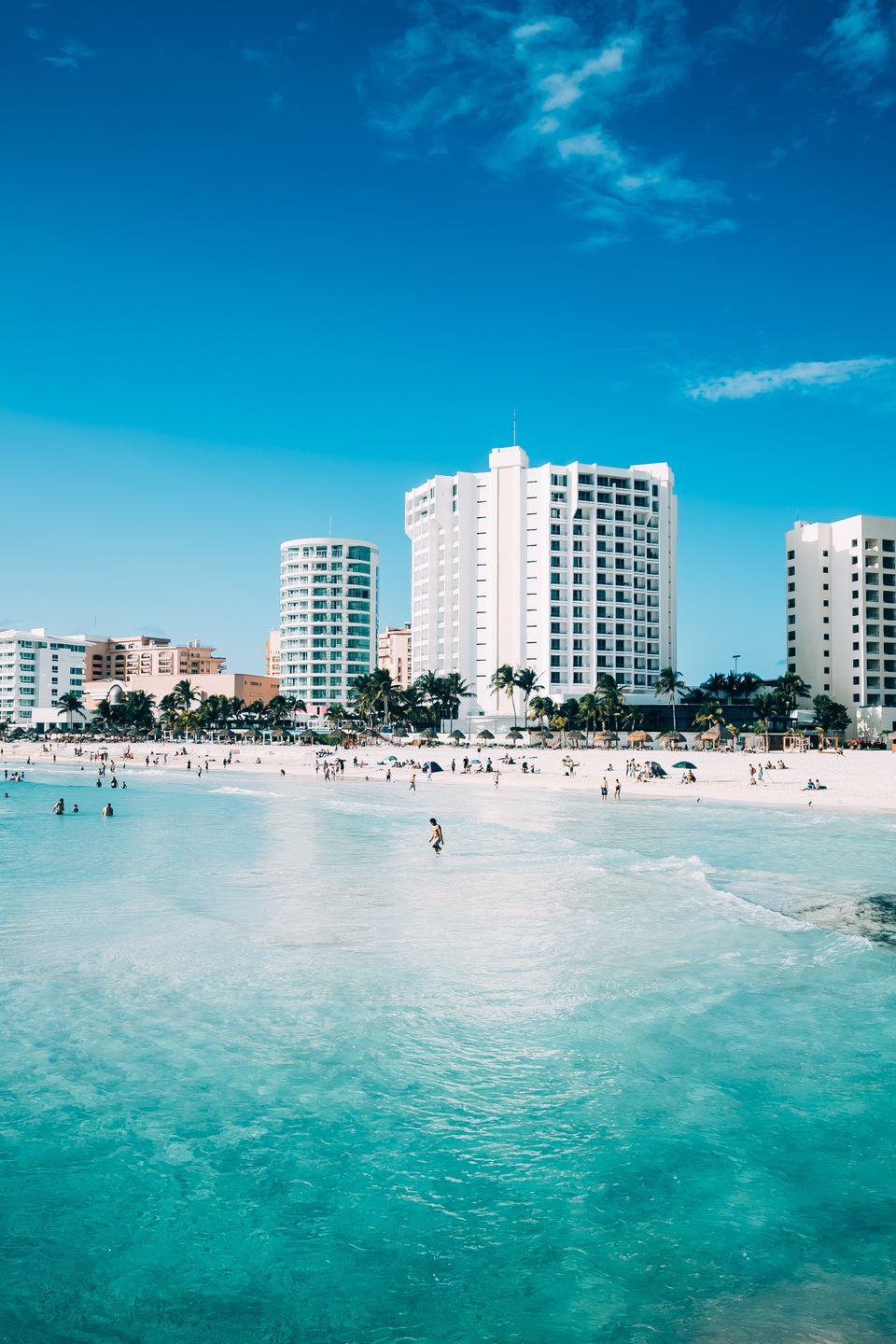
Arriving at a Mediterranean beach to find piles of brown, fibrous 'seaweed' on the sand feels disappointing — many assume it's dirt or pollution. In fact, it's usually posidonia, a marine seagrass whose presence signals a healthy sea, and whose washed-up leaves protect the beach from erosion. The 'messy' beach is often the healthiest one, and the instinct to clear the posidonia can actually harm the beach. Understanding posidonia flips the perception entirely.
This guide explains what posidonia is, why it's a sign of a healthy sea, why the washed-up 'mess' protects beaches, and why you shouldn't wish it away.
- The brown 'seaweed' piles on Mediterranean beaches are usually posidonia — a seagrass, not dirt.
- Posidonia (Posidonia oceanica) is a protected Mediterranean seagrass and a sign of clean, healthy water.
- Its underwater meadows are vital habitats and huge oxygen and carbon stores.
- Washed-up posidonia leaves (banquettes) protect beaches from erosion by absorbing wave energy.
- Aggressively removing it can worsen beach erosion — the 'mess' is protective.
- A posidonia beach is a healthy-sea beach, not a dirty one.
Quick answer: is the brown stuff on the beach bad?
No — it's usually posidonia, a marine seagrass, and its presence is a sign of a healthy, clean sea, not pollution or dirt. Posidonia (Posidonia oceanica) forms vast underwater meadows in the Mediterranean that are among the sea's most important ecosystems — nurseries for marine life, major oxygen producers, and huge carbon stores — and it only thrives in clean, clear water, so its presence indicates good water quality. The brown fibrous leaves that wash up on the sand (forming banks called 'banquettes') are shed naturally and actually protect the beach, absorbing wave energy and reducing erosion. So a beach with posidonia is a healthy-sea beach, and the washed-up leaves are protective, not a problem — the instinct to see them as dirt is a misunderstanding.
So the brown piles are posidonia seagrass, a sign of a clean, healthy sea, and the washed-up leaves protect the beach from erosion. Far from being dirt, posidonia is one of the best things a Mediterranean beach can have.
What posidonia is
Posidonia (Posidonia oceanica) is a seagrass — a flowering marine plant, not a seaweed or alga — endemic to the Mediterranean, where it forms extensive underwater meadows on the seabed. It's a protected species and a keystone of the Mediterranean ecosystem. The 'seaweed' that washes up is its shed leaves (and sometimes fibrous balls of its fibres, called 'sea balls' or egagropili). Posidonia meadows are ancient and slow-growing — some are thousands of years old — and cover large areas of the Mediterranean seabed. Being a plant that needs light and clean water, it's an indicator species: healthy posidonia means healthy, clean, clear water, while its decline signals pollution or damage.
So posidonia is a protected Mediterranean seagrass forming ancient underwater meadows, and what washes up is its natural shed leaves. Recognising it as a vital marine plant, not a weed or dirt, is the first step to understanding why its presence is good news.
- Posidonia oceanica is a seagrass (a marine flowering plant), endemic to the Mediterranean.
- It forms ancient, protected underwater meadows, some thousands of years old.
- Washed-up brown leaves and fibrous 'sea balls' are its natural shed material.

Why it means a healthy sea
Posidonia's presence is a badge of a healthy sea for several reasons. It only thrives in clean, clear, unpolluted water, so healthy meadows indicate good water quality — its decline is a warning sign of pollution or disturbance. The meadows themselves are ecological powerhouses: they're crucial nursery and feeding habitats for countless marine species (fish, seahorses, invertebrates), major producers of oxygen (sometimes called the 'lungs of the Mediterranean'), and among the planet's most effective carbon stores, locking away carbon in their sediments for millennia. They also stabilise the seabed and keep water clear. So posidonia doesn't just indicate a healthy sea — it actively creates one, supporting biodiversity, oxygen, carbon storage and water clarity.
So posidonia signals and sustains a healthy sea: it needs clean water to thrive, and in turn supports marine life, produces oxygen, stores carbon and clarifies the water. Its presence is therefore a strongly positive sign, and its meadows are among the Mediterranean's most valuable natural assets.
Why the washed-up 'mess' protects the beach
The posidonia that washes up on the beach isn't just harmless — it's protective. The shed leaves accumulate into banks on the shoreline called 'banquettes,' which absorb wave energy and act as a natural barrier, reducing coastal erosion and helping retain the sand. In effect, the posidonia banks armour the beach against winter storms and wave attack. Removing them — as some resorts do for aesthetics — strips away this protection and can accelerate beach erosion, ironically damaging the beach in the name of cleaning it. The 'mess' is a natural coastal defence, and leaving it (especially in the off-season when storms hit) helps preserve the beach itself.
So the washed-up posidonia banquettes protect the beach by absorbing waves and reducing erosion — they're natural coastal armour. Clearing them for looks removes that protection and can worsen erosion, which is why the 'messy' posidonia beach is often the better-protected, healthier one.
Why not to want it removed
Given all this, the common desire to have posidonia cleared away is misguided. Aggressive mechanical removal of posidonia banquettes can accelerate beach erosion (removing the protective barrier), disturb the beach ecosystem, and remove material that would naturally return sand and nutrients. Posidonia itself is protected, and damaging the living underwater meadows (by anchoring, pollution or coastal works) is a serious environmental harm the Mediterranean is actively trying to prevent. So rather than seeing a posidonia beach as needing cleaning, it's better understood as a healthy, well-protected, ecologically rich beach. Some beaches now leave posidonia in place and even educate visitors about it, reframing the 'mess' as the mark of a thriving coast.
So don't wish posidonia away: removing it harms the beach and the ecosystem, while leaving it protects the sand and supports a healthy sea. Reframing the posidonia beach as healthy rather than dirty — and valuing the seagrass — is both accurate and better for the coast.
Appreciating a posidonia beach
Next time you find posidonia on a beach, you can appreciate it rather than be disappointed. It tells you the sea here is clean and healthy enough to sustain this vital seagrass; that rich underwater meadows lie offshore, teeming with life and storing carbon; and that the beach is being naturally protected from erosion by the washed-up leaves. The fibrous 'sea balls' are a natural curiosity, not litter. A posidonia beach is a living, healthy, well-defended coast — arguably preferable to a sterile, mechanically-cleaned one. Understanding this transforms the experience, letting you value the seagrass as the positive sign it is and support beaches that protect rather than remove it.
So a posidonia beach is something to appreciate: clean water, rich offshore life, natural erosion protection, and a genuinely healthy sea. Understanding posidonia turns disappointment into appreciation, and supports the growing recognition that these 'messy' beaches are among the healthiest and best-protected of all.
Before you go
- Recognise the brown 'seaweed' on Med beaches as posidonia seagrass, not dirt.
- Understand its presence signals clean, healthy water.
- Value its underwater meadows as vital habitats, oxygen producers and carbon stores.
- Appreciate the washed-up 'banquettes' as natural erosion protection.
- Know that removing posidonia can worsen beach erosion and harm the ecosystem.
- Treat the fibrous 'sea balls' as a natural curiosity, not litter.
- Support beaches that leave posidonia in place over sterile mechanical cleaning.
FAQ
What is the brown seaweed on Mediterranean beaches?
It's usually posidonia (Posidonia oceanica), a marine seagrass — not a seaweed or dirt. The brown fibrous piles are its naturally shed leaves, and its presence is a sign of a clean, healthy sea, not pollution.
Is posidonia on the beach a bad sign?
No — it's a good sign. Posidonia only thrives in clean, clear water, so its presence indicates healthy water quality. Its underwater meadows are vital habitats, major oxygen producers and huge carbon stores, and the washed-up leaves protect the beach from erosion.
Why shouldn't posidonia be removed from beaches?
Because the washed-up posidonia banks ('banquettes') absorb wave energy and reduce coastal erosion, so removing them can accelerate erosion and damage the beach. Posidonia is also protected, and clearing it disturbs the ecosystem — the 'mess' is protective.
What are posidonia sea balls?
The fibrous brown balls ('egagropili' or 'sea balls') found on Mediterranean beaches are natural clumps of posidonia fibres, rolled by the waves. They're a natural curiosity from the seagrass, not litter or pollution.
Why is posidonia important?
Its underwater meadows are among the Mediterranean's most vital ecosystems — nurseries and habitats for marine life, major oxygen producers (the 'lungs of the Mediterranean'), and among the planet's most effective carbon stores, locking carbon away for millennia. It also clarifies water and stabilises the seabed.
Does posidonia mean the beach is dirty?
No — quite the opposite. A posidonia beach is a healthy-sea beach: the seagrass indicates clean water, supports rich offshore life, and protects the sand from erosion. The perception of it as 'dirty' is a misunderstanding of a very positive natural sign.
Use BeachFinder to check today's spot.
Use your location, search any city worldwide or explore the map to compare the 20 most relevant beaches and swimming spots around you.
Download BeachFinder
Find beach conditions, sea temperature, wind, UV, water quality, and nearby swimming spots before you go.