
Sandflies and seaweed flies: why they bite some people more, and what works
Bitten to pieces at the beach while your friend is untouched? Sandflies and seaweed flies target some people more than others. Here's what they are, why they bite, and the repellents that actually work.
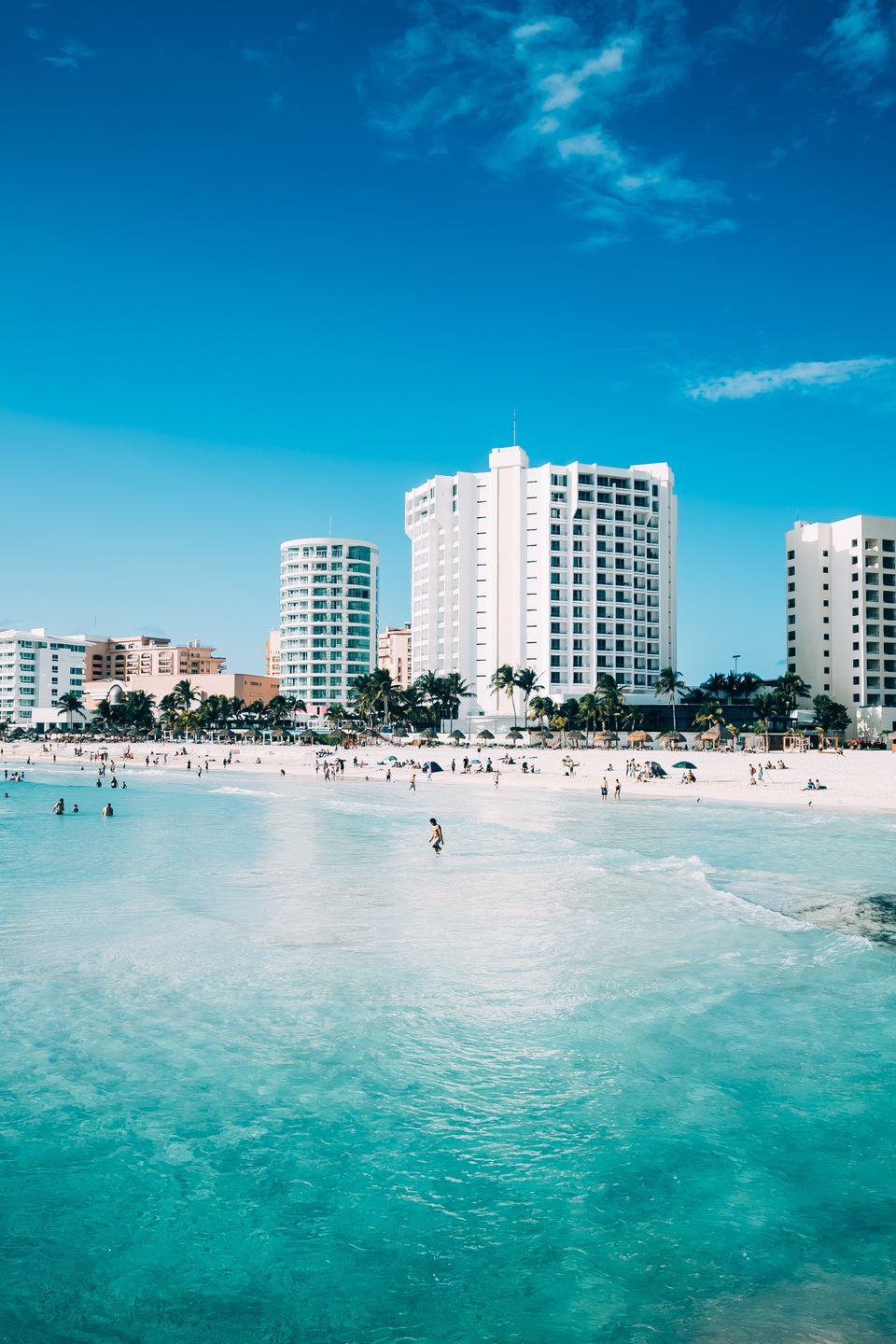
You leave the beach covered in itchy bites while your companion is untouched — the culprits are usually sandflies (biting midges, sometimes called 'no-see-ums') or, on beaches with washed-up seaweed, seaweed flies. They do target some people more than others, driven by body chemistry and timing, and the standard defences (timing, cover-up and the right repellent) genuinely reduce the misery. Knowing which insect you're dealing with and when they're active is half the battle.
This guide explains what sandflies and seaweed flies are, why they bite some people more, when and where they strike, and the repellents and habits that actually keep them off.
- Beach 'sandflies' are usually tiny biting midges ('no-see-ums'); seaweed flies breed in beached seaweed.
- They're worst at dawn and dusk, in still air, and near damp sand or rotting seaweed.
- Some people are bitten more due to body chemistry (CO2, scent, warmth) — it's not imagination.
- DEET or picaridin repellents are the most effective; many 'natural' ones are weaker or short-lived.
- Cover up, avoid still-air dawn/dusk near seaweed, and pick breezy spots away from wrack lines.
- Treat bites by not scratching, plus antihistamines and soothing creams.
Quick answer: how do you stop beach flies biting you?
Combine timing, cover and the right repellent. Avoid the worst times and places — biting midges and seaweed flies peak at dawn and dusk, in still air, and near damp sand or piles of rotting seaweed — so choose a breezy spot, away from the seaweed wrack line, in the middle of the day when they're less active. Cover exposed skin (light long sleeves, especially at dusk), and apply an effective repellent containing DEET or picaridin, which work far better than most 'natural' alternatives against midges. A breeze is your friend: these weak fliers struggle in wind, so a windward, open spot naturally keeps them off.
So the anti-fly formula is: breezy open spot away from seaweed, avoid still dawn/dusk, cover up, and use a DEET or picaridin repellent. That combination handles both sandflies and seaweed flies far better than any single measure.
What they actually are
Two different insects get blamed. 'Sandflies' on most beaches are actually biting midges (Culicoides and similar) — tiny flies, often barely visible ('no-see-ums'), whose females bite for blood and leave itchy welts; they breed in damp sand and mud near shore. (True sandflies proper are a different group in some regions.) Seaweed flies (kelp flies) are a separate nuisance: they breed in and swarm around piles of decaying seaweed on the strandline, and while most don't bite, some species do, and their sheer numbers are unpleasant. Both are strongly tied to damp, organic-rich beach environments.
So knowing the two helps: itchy welts with no visible insect point to biting midges; swarms over seaweed piles point to seaweed flies. Both are avoided by similar means, but the seaweed-fly clue — beached weed — tells you exactly where the problem is.
- Beach 'sandflies' = tiny biting midges ('no-see-ums'), breeding in damp sand.
- Seaweed/kelp flies breed in rotting beach seaweed; some bite, all swarm.
- Both are tied to damp, organic, sheltered beach spots.

Why some people get bitten more
It's not your imagination — biting insects genuinely prefer some people. The females that bite are drawn by cues that vary between individuals: the carbon dioxide you exhale, body heat, and the specific mix of chemicals in your skin and sweat (which is partly genetic). Factors like being warmer, breathing harder (after activity), certain natural skin scents, and possibly some clothing colours can make you more attractive to them, while others nearby are relatively ignored. This is why two people on the same towel can have completely different experiences — the flies are choosing.
So if you're the one always bitten, you're likely genuinely more attractive to the insects by body chemistry, which you can't change much — but you can compensate with better cover, repellent and spot choice. The prevention works regardless of how appealing you are to them.
Repellents that work
For effective protection, the evidence favours repellents containing DEET or picaridin (icaridin), which reliably repel biting midges and flies and last for hours; DEET at moderate concentrations and picaridin are both well-established. Oil of lemon eucalyptus (PMD) is a plant-derived option with reasonable evidence, though generally shorter-lasting. Many other 'natural' repellents (citronella and similar) tend to be weaker and wear off quickly, offering limited protection against determined midges. Apply repellent to all exposed skin, reapply per the label (especially after swimming or sweating), and combine it with covering up at dawn and dusk for best results.
So choose a DEET or picaridin repellent for real midge protection, consider oil of lemon eucalyptus as a plant-based alternative, and don't rely on weak 'natural' sprays alone. Repellent plus cover-up plus spot choice is the winning combination.
Choosing your spot and time
Where and when you sit on the beach matters enormously. Biting midges and seaweed flies are weak fliers that hate wind, so an open, breezy spot — near the water's edge on the windward side, away from dunes, vegetation and the seaweed strandline — naturally keeps them off, while a sheltered nook behind dunes or beside beached seaweed concentrates them. Time-wise, they surge at dawn and dusk and in still, humid conditions, and quieten in bright, breezy midday. So a breezy, open, seaweed-free spot in the middle of the day is your best defence, and a still evening beside a pile of rotting weed is the worst case.
So use the landscape and clock: pick breeze and openness over shelter, keep away from beached seaweed, and favour midday over dawn and dusk. Spot and timing choice alone can be the difference between an untouched day and a bitten one.
Treating the bites
If you do get bitten, the priority is not to scratch, since scratching worsens the itch and can break the skin and cause infection. Soothe bites with over-the-counter antihistamines (oral or cream), hydrocortisone cream, calamine lotion, or a cold compress; the itch and small welts usually settle over a few days. Keep the area clean. Seek medical advice if bites become infected (spreading redness, warmth, pus), if you have a severe allergic reaction (widespread swelling, difficulty breathing — an emergency), or if you develop unusual symptoms after bites in regions where these insects transmit disease.
So bite treatment is standard soothing plus restraint from scratching, with the usual watch for infection or severe reaction. For most people, sandfly and seaweed-fly bites are an itchy nuisance that fades in days — the real win is preventing them with timing, cover and repellent in the first place.
A note: general information, not medical advice
This guide is general safety and wellbeing information for beachgoers, not medical advice. Reactions to stings, infections and heat vary between people, and severe or worsening symptoms — spreading pain, difficulty breathing, high fever, or signs of a serious allergic reaction — need urgent professional medical care.
If you are unsure, seek advice from a lifeguard, pharmacist or doctor, and call your local emergency number for anything severe. When in doubt, get it checked.
Before you go
- Pick a breezy, open spot away from dunes, vegetation and beached seaweed.
- Favour bright, breezy midday over still dawn and dusk.
- Cover exposed skin with light long layers, especially at dusk.
- Use a DEET or picaridin repellent; consider oil of lemon eucalyptus as a plant option.
- Reapply repellent after swimming or heavy sweating.
- Don't scratch bites; soothe with antihistamines, hydrocortisone or calamine.
- Seek advice for infected bites or any severe allergic reaction.
FAQ
What are the tiny flies biting me at the beach?
Usually biting midges (often called sandflies or 'no-see-ums') — tiny, barely visible flies whose females bite for blood and leave itchy welts, breeding in damp sand. On beaches with washed-up seaweed, seaweed (kelp) flies swarm and some bite too.
Why do sandflies bite me more than other people?
Biting insects genuinely prefer some people, drawn by individual cues like exhaled carbon dioxide, body heat and skin chemistry (partly genetic). Being warmer, breathing harder or having certain skin scents can make you more attractive — it's not imagination.
What repellent works best against beach midges?
Repellents containing DEET or picaridin (icaridin) are the most effective and longest-lasting against biting midges and flies. Oil of lemon eucalyptus is a reasonable plant-based option but shorter-lasting; many other 'natural' sprays are weaker.
When are beach biting flies worst?
At dawn and dusk, in still, humid air, and near damp sand or piles of rotting seaweed. They're weak fliers that hate wind, so bright, breezy midday in an open spot away from seaweed is much better.
How do I avoid seaweed flies?
Sit well away from the seaweed strandline where they breed and swarm, choose a breezy open spot, and favour midday. Their presence is tied directly to beached, rotting seaweed, so distance from it is the main defence.
How do you treat sandfly bites?
Don't scratch — soothe with antihistamines (oral or cream), hydrocortisone, calamine or a cold compress; bites usually settle in a few days. Keep them clean, and seek advice for signs of infection or a severe allergic reaction.
Use BeachFinder to check today's spot.
Use your location, search any city worldwide or explore the map to compare the 20 most relevant beaches and swimming spots around you.
Download BeachFinder
Find beach conditions, sea temperature, wind, UV, water quality, and nearby swimming spots before you go.