
Bioluminescent beaches: where the sea glows blue, and how to time it
Some beaches glow electric blue at night when disturbed — bioluminescent plankton. Here's the science of why the sea glows, where it happens, and how to time a visit for the best chance of seeing it.
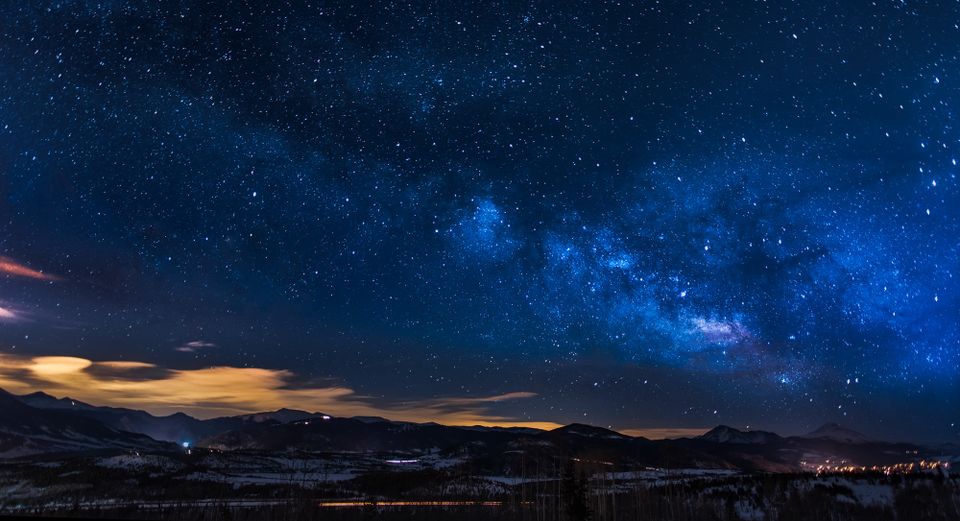
A sea that glows electric blue when disturbed at night is one of nature's most magical sights, and it's real science: bioluminescent plankton (usually microscopic dinoflagellates) that flash light when the water moves. It happens at specific beaches, in specific conditions, and — crucially — is unpredictable, so seeing it takes timing and a bit of luck. Understanding why the sea glows, where it's likely, and how to time a visit maximises your chance of witnessing it.
This guide explains the science of bioluminescent beaches, where and when the glow happens, and how to time and plan a visit for the best chance of seeing the sea light up.
- The blue glow is bioluminescence from microscopic plankton (dinoflagellates) that flash when disturbed.
- It appears when you move the water — waves, footsteps, a hand, a paddle — at night.
- It's unpredictable, tied to plankton blooms, and best on dark, moonless nights.
- Known spots exist worldwide (some famously reliable bays), but many beaches glow occasionally.
- Warm-water, plankton-rich conditions in summer/autumn raise the odds in many regions.
- Follow safe night-swimming rules if you go in the water, and check local reports.
Quick answer: why and when does the sea glow?
The sea glows because of bioluminescence — microscopic plankton, usually dinoflagellates, that emit flashes of blue light when the water around them is disturbed (agitated by waves, a swimmer, a footstep, a paddle or a hand). It appears at night (the light is only visible in darkness), when these plankton are present in high enough numbers, typically during blooms. It's genuinely unpredictable: it depends on plankton concentrations that vary with conditions, so even at known spots it isn't guaranteed on any given night. The best odds are on dark, moonless nights (moonlight washes out the faint glow), in warm-water, plankton-rich conditions, at beaches and bays known for it or during reported blooms. So the glow is real, natural, and worth chasing — but requires timing and luck.
So the sea glows from bioluminescent plankton flashing when disturbed, seen on dark nights when the plankton are abundant. It's magical but unpredictable, so maximising your chance means timing (dark, moonless), place (known or blooming spots), and a bit of luck.
The science: what makes the glow
The glow is bioluminescence — the production of light by living organisms — from tiny marine plankton, most commonly dinoflagellates (a type of single-celled plankton). When the water around them is physically disturbed, these organisms emit a brief flash of blue-green light, thought to be a defence mechanism (startling predators or attracting a predator's predator). Millions of them flashing together, triggered by moving water, create the glowing effect — blue sparkles in the wave crests, glowing footprints in wet sand, a lit-up wake behind a hand or paddle. The same phenomenon also causes 'milky seas' and glowing plankton blooms sometimes called 'sea sparkle.' It's a real, well-understood biological process, not a mystery.
So the glow is living light: dinoflagellate plankton flashing blue when disturbed, en masse. Understanding it as a biological defence reaction of countless tiny organisms demystifies the magic while making it no less beautiful — the sea lights up because life in it is responding to being moved.
- Caused by bioluminescent plankton, usually dinoflagellates (single-celled).
- They flash blue-green light when the water is physically disturbed (a defence reaction).
- Millions flashing together create glowing waves, footprints and wakes.

When to look: dark nights and blooms
Timing is critical. The glow is faint and only visible in darkness, so look on dark, moonless nights (around the new moon, or when the moon has set) and away from artificial light (light pollution washes it out) — a dark beach on a moonless night is ideal. It also requires the plankton to be abundant, which happens during blooms, often in warmer water and certain seasons (frequently summer and autumn in many regions), and can be triggered by conditions like warm calm water and nutrient availability. Blooms are unpredictable and come and go, so the glow can appear for a few nights and then vanish. Checking local reports, forums or apps for recent sightings hugely improves your odds versus turning up blind.
So look on dark, moonless nights away from light, during plankton blooms (often warmer months), and check for recent local sightings. The combination of darkness and an active bloom is what makes the glow visible, and timing your visit to both is the key to seeing it.
Where it happens
Bioluminescence occurs worldwide, with some famously reliable spots and many beaches that glow occasionally. Certain bioluminescent bays (in the Caribbean, notably Puerto Rico's bays, and other tropical locations) are famous for consistent, strong bioluminescence and offer tours. Beyond these, many coastlines — including parts of the Mediterranean, the Atlantic, Southeast Asia, Australia, California and elsewhere — experience bioluminescence during blooms, sometimes spectacularly, though less predictably. So while a few destinations reliably deliver it (and are worth seeking for a near-guarantee), many ordinary beaches can glow when conditions align. Local knowledge and recent-sighting reports are the best guide to where it's happening now, alongside the famous reliable bays for a surer bet.
So bioluminescence ranges from famously reliable bays (Puerto Rico and other tropical spots, tour-able) to occasional blooms on many coasts worldwide. For a near-certainty, seek the famous bays; for a chance closer to home, watch local reports for blooms on your own coastline.
How to see it (safely)
To maximise your chance and stay safe: pick a dark, moonless night; choose a known bioluminescent spot or a beach with recent reported sightings; get away from artificial light and let your eyes adjust; and disturb the water to trigger the glow (walk in the wet sand, run a hand or stick through the shallows, watch the waves). If you go into the water to swim in it (magical, as your movements glow), follow all safe night-swimming rules — never alone, never drunk, stay shallow and close to shore, use lights and a plan, on a calm familiar beach — because night swimming is riskier. Bring patience and manage expectations, since it's unpredictable. Photographing it is hard (long exposures help), so also just enjoy it live.
So see it safely by timing (dark, moonless), place (known/reported spots), darkness adaptation, and gently disturbing the water — and if swimming in it, follow strict night-swim safety. With realistic expectations and a bit of luck, witnessing the glowing sea is an unforgettable, genuinely magical experience.
The wonder, understood
Knowing the science doesn't diminish the wonder — if anything, it deepens it. The glowing sea is the collective flash of countless living organisms responding to your movement, a direct, visible connection to the invisible life filling the water. It's a reminder of how alive the sea is, right down to the microscopic. Chasing it — the dark night, the moonless timing, the reported bloom, the first blue sparkle in a wave or footprint — is a wonderful pursuit, blending natural science with genuine magic. Whether at a famous bay or an unexpected bloom on a local beach, seeing the sea light up is a memory that stays with you, and understanding why makes it richer.
So bioluminescence is science and magic at once: living light from the sea's microscopic life, unpredictable and beautiful. Understanding the plankton, the darkness, and the blooms both helps you see it and enriches the wonder when you do — the glowing sea is one of nature's finest, and now-explicable, spectacles.
Before you go
- Go on a dark, moonless night (around the new moon or after moonset).
- Choose a known bioluminescent spot or a beach with recent reported sightings.
- Get away from artificial light and let your eyes adjust.
- Disturb the water — walk wet sand, run a hand through the shallows — to trigger the glow.
- Check local reports/forums for active blooms, as it's unpredictable.
- If swimming in it, follow strict night-swim safety (never alone or drunk, shallow, lit).
- Manage expectations and bring patience — it's magical but not guaranteed.
FAQ
Why does the sea glow blue at night?
Because of bioluminescence — microscopic plankton, usually dinoflagellates, that emit blue-green flashes when the water around them is disturbed (a defence reaction). Millions flashing together create glowing waves, footprints and wakes, visible only in darkness.
Where can you see bioluminescent beaches?
Famously reliable bioluminescent bays exist (notably in Puerto Rico and other tropical spots, with tours), and many coastlines worldwide — parts of the Mediterranean, Atlantic, Southeast Asia, Australia, California and more — glow during plankton blooms, though less predictably.
When is the best time to see bioluminescence?
On dark, moonless nights (moonlight washes out the faint glow), away from artificial light, during a plankton bloom — often in warmer months. It's unpredictable, so checking recent local sightings hugely improves your odds.
Is bioluminescent water safe to swim in?
Usually the glow itself is harmless, but night swimming is riskier, so follow strict safety: never alone or drunk, stay shallow and close to shore, use lights and a plan, on a calm familiar beach. (Some rare blooms can be harmful algae, so heed any local warnings.)
What causes the glowing plankton?
Bioluminescent dinoflagellate plankton, which bloom when conditions (warm water, nutrients) allow, reaching high enough concentrations to make the sea glow when disturbed. The blooms come and go unpredictably, so the glow can last a few nights and then vanish.
Can you photograph bioluminescence?
It's difficult — the glow is faint, so long-exposure photography with a camera on a tripod gives the best chance, and phones struggle. Because it's hard to capture, it's worth also just watching and enjoying it live rather than only trying to photograph it.
Use BeachFinder to check today's spot.
Use your location, search any city worldwide or explore the map to compare the 20 most relevant beaches and swimming spots around you.
Download BeachFinder
Find beach conditions, sea temperature, wind, UV, water quality, and nearby swimming spots before you go.