
Microplastics on your beach: what the science actually shows in 2026
Microplastics are on beaches worldwide, but the real picture is more nuanced than the headlines. Here's what current science says about beach microplastics, the actual risks, and what genuinely helps.
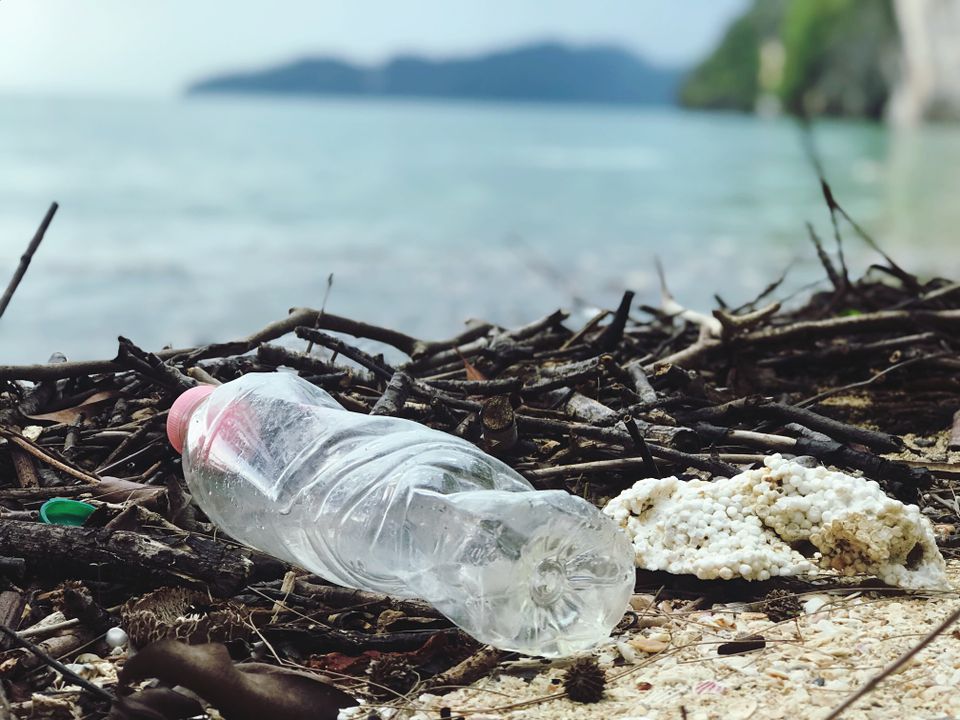
Microplastics — tiny plastic fragments under 5mm — are found on beaches and in seas worldwide, and the headlines can be alarming. But the actual scientific picture is more nuanced: microplastics are genuinely widespread and a real environmental concern, while the specific risks to beachgoers are still being researched and shouldn't cause panic. Understanding what the science actually shows — versus the scarier framing — helps you take the issue seriously and sensibly, without undue worry about a normal beach day.
This guide summarises what current science says about beach microplastics — where they come from, how widespread they are, the actual known risks, and what genuinely helps — with a calm, evidence-based perspective.
- Microplastics (plastic fragments under 5mm) are found on virtually all beaches and seas worldwide.
- They come from broken-down larger plastics, fibres, tyre wear, microbeads and more.
- They're a genuine environmental concern, entering marine food webs and ecosystems.
- Specific human health risks from beach exposure are still being researched, not fully established.
- A normal beach day isn't a major microplastic risk — the concern is environmental and long-term.
- Reducing plastic use and supporting cleanups helps more than avoiding the beach.
Quick answer: should you worry about microplastics at the beach?
Take them seriously as an environmental issue, but don't panic about a normal beach day. Microplastics — plastic fragments smaller than 5mm — are genuinely found on virtually all beaches and in seas worldwide, a real and widespread pollution problem that's entering marine ecosystems and food webs. However, the specific health risks to beachgoers from beach and seawater exposure are still being actively researched and are not fully established, so there's no evidence that a typical beach visit poses a major personal health threat. The concern is primarily environmental and long-term (ecosystem and food-chain impacts), and the meaningful response is reducing plastic pollution, not avoiding beaches. So: a real environmental problem worth caring about, but not a reason for personal alarm at the beach.
So microplastics are a serious, widespread environmental concern but not, on current evidence, a reason to fear a normal beach day. Care about the pollution and act on it (reduce plastic, support cleanups), without letting the headlines cause disproportionate personal worry.
What microplastics are and where they come from
Microplastics are plastic particles smaller than 5mm, ranging down to microscopic sizes. They come from several sources: the breakdown of larger plastic litter (bottles, bags, packaging fragmenting in sun and waves into ever-smaller pieces — 'secondary' microplastics); synthetic fibres shed from clothing in washing; tyre wear particles; industrial pellets ('nurdles'); and microbeads (once common in cosmetics, now banned in many places). They enter the sea via rivers, wastewater, runoff, wind and direct littering, and accumulate on beaches (washed up and mixed into sand) and throughout the ocean. So beach microplastics are largely the fragmented remains of the plastic we produce and discard, plus fibres and other sources, concentrated by ocean currents and tides onto shorelines worldwide.
So microplastics are tiny plastic fragments from broken-down litter, fibres, tyres and pellets, reaching beaches via rivers, runoff and tides. Understanding them as the pervasive small-scale residue of global plastic use explains why they're everywhere — and why the solution is upstream, at the source of plastic pollution.
- Microplastics = plastic fragments under 5mm, down to microscopic.
- Sources: broken-down litter, clothing fibres, tyre wear, industrial pellets, (banned) microbeads.
- Reach beaches via rivers, wastewater, runoff, wind and tides.
How widespread they are
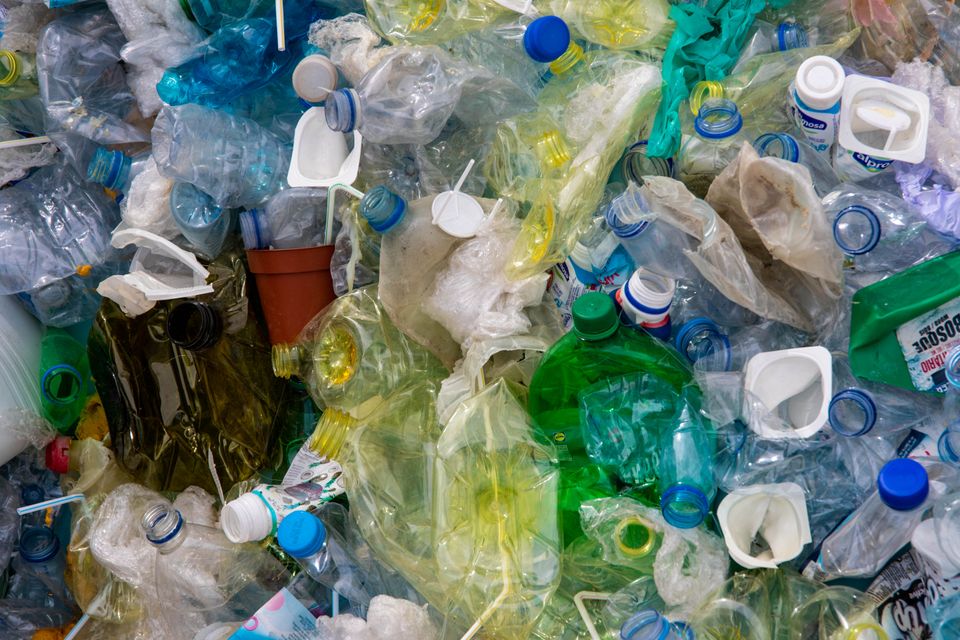
The science is clear that microplastics are extraordinarily widespread — found on beaches from crowded tourist coasts to the remotest uninhabited islands, in surface waters and deep-sea sediments, in Arctic ice and marine life across the food web. Essentially no beach or sea is free of them, though concentrations vary (higher near population centres, river mouths and in accumulation zones; lower in remote areas, but still present). This ubiquity is one of the most striking and well-established findings: microplastic pollution is truly global, a marker of the plastic age reaching every corner of the ocean and coast. So while amounts differ, the presence of microplastics on virtually all beaches is not in doubt — it's a documented, worldwide reality.
So microplastics are genuinely everywhere — on all beaches, throughout the oceans, in ice and marine life — with concentrations varying but presence near-universal. This well-established ubiquity is why the issue matters environmentally, even as the personal-risk question remains less settled.
What science says about the risks
Here the picture is more nuanced and evolving. Environmentally, microplastics are a real concern: they're ingested by marine life across the food web (from plankton to fish to seabirds), can carry pollutants, and their long-term ecosystem effects are an active, serious research area. For human health, research is ongoing and less conclusive: microplastics have been found in human bodies (via food, water and air), and there are legitimate scientific questions about potential effects, but the specific risks — including from beach or seawater exposure — are still being investigated and not fully established. So responsible science says: a genuine environmental problem with real ecosystem impacts, and human-health questions that warrant research and precaution but not, on current evidence, alarm about normal beach exposure. Avoid both dismissiveness and overstatement.
So the evidence-based position is: microplastics are a serious environmental issue with documented ecosystem impacts, while their human-health risks (including from the beach) are still being researched and not established — meriting concern and precaution, not panic. This nuanced view reflects what the science actually supports in 2026.
What genuinely helps
The most effective responses target the source, not the beach. Reducing plastic use and waste — cutting single-use plastics, choosing less plastic packaging, disposing of and recycling plastic properly, and supporting systemic reductions in plastic production and better waste management — addresses the root cause. Supporting and joining beach cleanups removes existing plastic (including larger items before they fragment into microplastics). Reducing synthetic-fibre shedding (washing less, using filters) helps at the fibre source. Backing policy and industry action on plastic pollution has the largest leverage. Crucially, avoiding beaches does nothing to help — the beach isn't the problem, the plastic is. So the meaningful actions are upstream: less plastic, better waste handling, cleanups, and systemic change, which tackle microplastics far more effectively than personal beach-avoidance.
So genuine help comes from reducing plastic use and waste, supporting cleanups, cutting fibre shedding, and backing systemic action — all targeting the source. Avoiding the beach is not a solution; addressing the plastic pollution that creates microplastics is, which is where concern is best channelled.
A sensible perspective
The sensible perspective on beach microplastics balances concern and calm. It's right to take microplastic pollution seriously — it's a genuine, widespread environmental problem, and reducing it matters. It's also right not to let alarming headlines ruin beach enjoyment or cause disproportionate personal worry, since the specific human risks from beach exposure aren't established and a normal beach day isn't a demonstrated health threat. Channel the concern productively: reduce your plastic footprint, support cleanups and policy, and keep enjoying and valuing the beaches and seas — because caring about them, not fearing them, is what drives the action that actually helps. This balanced stance reflects the science and serves both your wellbeing and the environment.
So hold both truths: microplastics are a serious environmental issue deserving real action, and a normal beach day isn't cause for personal alarm on current evidence. Care, act on the source, and keep valuing the beaches — the balanced, science-aligned response that helps the ocean without needless worry.
Before you go
- Understand microplastics are on virtually all beaches — a real, global environmental issue.
- Know they come from broken-down litter, fibres, tyres and pellets, via rivers and tides.
- Recognise the environmental (ecosystem, food-web) impacts as genuine.
- Know human-health risks from beach exposure are still being researched, not established.
- Don't panic about a normal beach day — it's not a demonstrated health threat.
- Help at the source: reduce plastic use, dispose/recycle properly, support cleanups.
- Back systemic action on plastic pollution — avoiding beaches doesn't help.
FAQ
Are microplastics on beaches dangerous to humans?
The specific human health risks from beach and seawater exposure are still being researched and not fully established, so there's no evidence a normal beach day poses a major personal threat. Microplastics are primarily a serious environmental concern with documented ecosystem impacts.
Where do beach microplastics come from?
Mostly from the breakdown of larger plastic litter into ever-smaller fragments, plus synthetic clothing fibres, tyre wear, industrial pellets and (now often banned) microbeads. They reach beaches via rivers, wastewater, runoff, wind and tides, accumulating in sand and water.
Are microplastics really on every beach?
Essentially yes — microplastics are found on beaches worldwide, from crowded coasts to remote islands, and throughout the oceans, ice and marine life. Concentrations vary (higher near cities and river mouths), but their presence on virtually all beaches is well-documented.
Is it safe to swim with microplastics in the water?
On current evidence, a normal swim isn't a demonstrated health risk from microplastics specifically — the human-health effects are still being researched. The concern is environmental and long-term. Enjoy the beach, and channel concern into reducing plastic pollution.
What actually helps reduce beach microplastics?
Targeting the source: reducing plastic use and waste, proper disposal and recycling, supporting and joining beach cleanups (removing plastic before it fragments), cutting synthetic-fibre shedding, and backing policy and industry action on plastic. Avoiding beaches does nothing to help.
Should microplastics stop me going to the beach?
No — the beach isn't the problem, the plastic pollution is, and avoiding beaches doesn't help. Take the environmental issue seriously and act on the source, but a normal beach day isn't a demonstrated personal health threat, so keep enjoying and valuing the coast.
Use BeachFinder to check today's spot.
Use your location, search any city worldwide or explore the map to compare the 20 most relevant beaches and swimming spots around you.
Download BeachFinder
Find beach conditions, sea temperature, wind, UV, water quality, and nearby swimming spots before you go.