Greek islands vs Turkey beaches: water clarity, crowds and season
Water clarity, crowd density, season length and prices compared between the Greek islands and the Turkish Aegean and Mediterranean coasts.
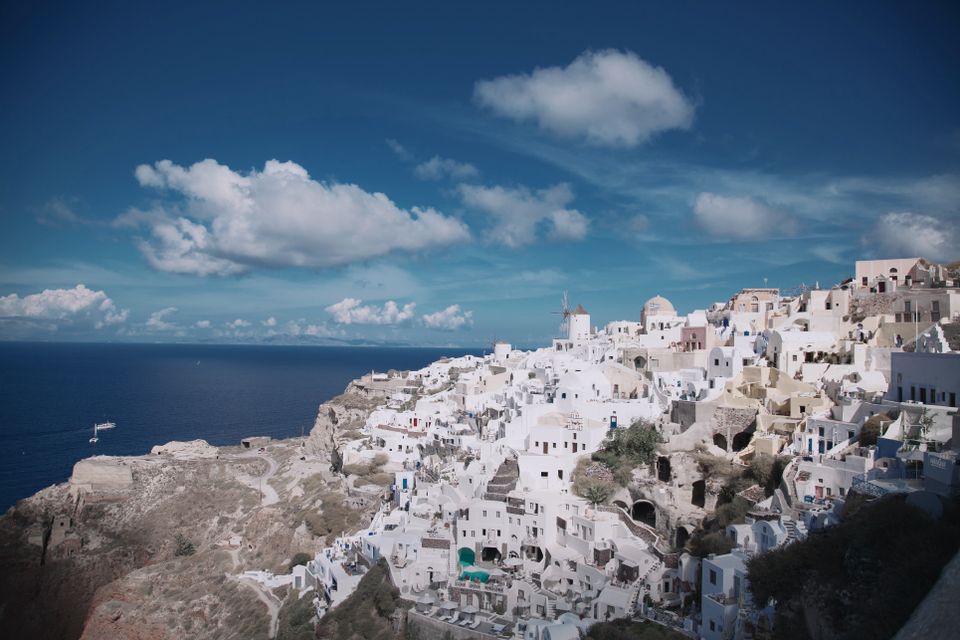
The Greek islands and the Turkish coast face each other across the same warm Aegean and east Mediterranean water and share much of the same climate, food family and coastal geology. The differences travelers actually feel come from infrastructure scale, crowd patterns, prices, and the cultural shape of each side. Greece has 200+ inhabited islands with a small-scale, ferry-driven feel; Turkey has a long mainland coastline organized around larger resort towns.
Use this guide to decide by trip style. The Greek islands deliver island-hopping with whitewashed villages, smaller scale and a more pelagic feel. The Turkish coast delivers longer beaches, larger resorts, lower prices and more dramatic backdrops in places like the Lycian Way coast. Water clarity is exceptional on both sides; the difference is in everything around the swim.
- Both sides share Aegean water clarity ranked among the clearest in Europe by Copernicus and EEA.
- Greek islands: small-scale, ferry-driven, whitewashed villages, higher per-day costs.
- Turkish coast: longer beaches, larger resorts, lower prices, longer drives between spots.
- Crowd peaks concentrate in July-August on both sides; June and September are the best windows.
Water clarity: a draw, both excellent
Copernicus Marine and EEA bathing water data confirm the Aegean is among the clearest seas in Europe, on both Greek and Turkish sides. Visibility of 15 to 25 meters is common in sheltered coves through summer, and the warm 22 to 25 degree Celsius water from July through September supports comfortable long snorkeling sessions. Greek islands like Milos, Antiparos, Koufonisia, Symi and the smaller Cyclades match Turkish standouts like Kabak, Olu Deniz lagoon, Patara and the bays around Kas.
Coastal pollution risk is concentrated near the largest urban centers (Athens area, Izmir bay) and reduces sharply outside those. Both Greek and Turkish coastlines have hundreds of Blue Flag beaches and most travelers will not perceive a quality difference. This is a draw and not a decision factor.
- Aegean summer sea: 22-25 degrees C, both sides.
- Visibility 15-25 m in sheltered coves; reduced near major urban areas.
- Both sides have hundreds of Blue Flag beaches.
- EEA bathing water quality rated excellent for the large majority of monitored sites.
Crowds and density
The Greek islands organize crowds by island and ferry timetable. Mykonos and Santorini absorb the global Instagram crowd and run at full pressure in July and August. Less famous Cyclades like Sifnos, Folegandros, Amorgos and most of the Dodecanese stay calmer. Crete and Rhodes have enough surface area to absorb large numbers without saturation, especially outside their famous beaches. Ferry capacity limits total daily arrivals on smaller islands.
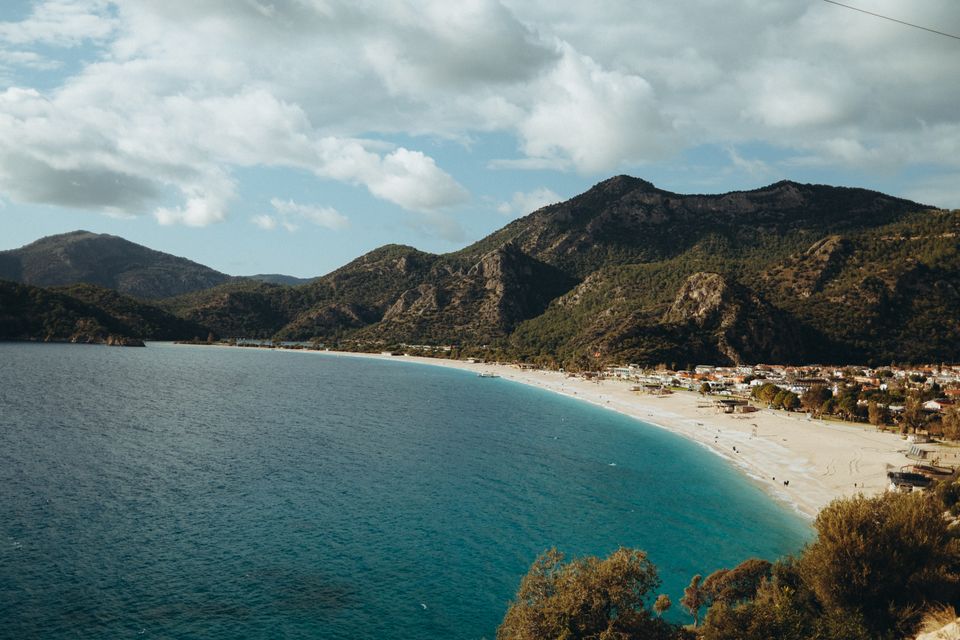
The Turkish coast concentrates crowds in resort towns: Bodrum, Marmaris, Antalya and the surrounding beaches. The larger scale absorbs more people but also produces denser resorts, especially east of Antalya. The Lycian Way coast (Kalkan, Kas, Olu Deniz, Patara) feels less saturated than the eastern resort coast. Inland villages near the coast remain quiet and feel different from the resort centers.
Prices and value
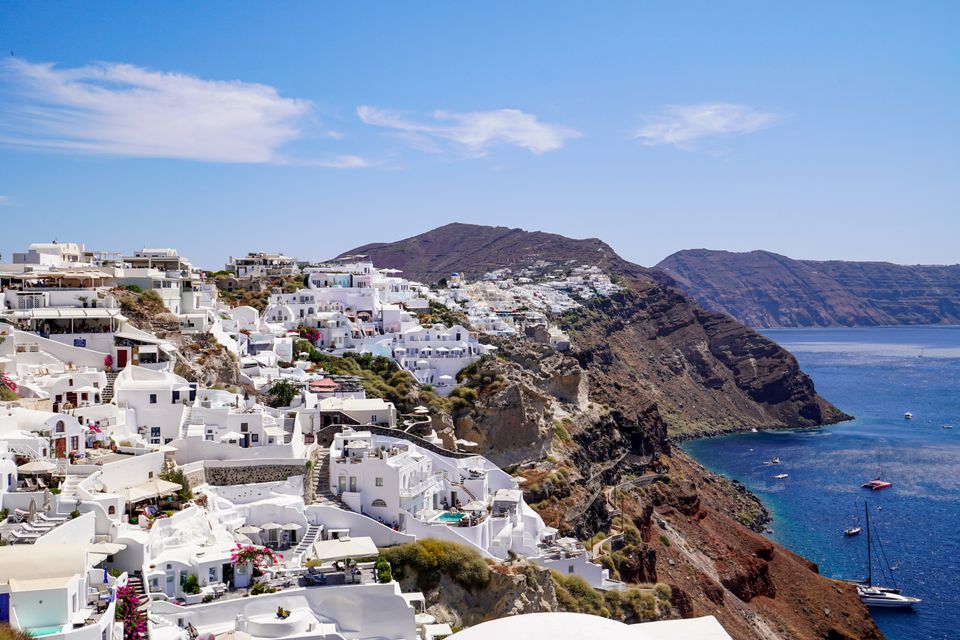
Turkey has been significantly cheaper than Greece for several years, driven by the lira's relative weakness against the euro. Mid-tier hotels on the Lycian coast routinely cost 50 to 70 percent of equivalent Greek island accommodation in summer. Restaurant prices follow the same pattern. Even premium Turkish resorts (Cesme, Bodrum's high-end pockets) remain cheaper than Mykonos or Santorini equivalents.
Within Greece, prices vary by island. Mykonos and Santorini are in their own bracket, with hotel doubles often starting at 250 to 400 euros in summer. Crete, Rhodes, Kos and the larger Cyclades stay mid-tier (120 to 220 euros). Smaller islands like Folegandros, Sifnos, Amorgos and Koufonisia run cheaper still, with the trade-off that ferry schedules and accommodation are limited.
- Greek summer double (mid-tier): 120-220 euros; small islands cheaper.
- Mykonos / Santorini summer: 250-400+ euros, premium bracket.
- Turkey Lycian coast summer: 70-150 euros for equivalent mid-tier quality.
- Turkey premium pockets (Cesme, parts of Bodrum): cheaper than premium Greek islands.
Beach style and scale
Greek island beaches range from tiny coves accessible by boat (Antikeri, Tigania, Kleftiko on Milos) to long sandy beaches (Falassarna, Elafonissi on Crete; Lindos and Tsambika on Rhodes). The Cyclades emphasize small dramatic coves under whitewashed cliffs. The Ionian (Corfu, Lefkada, Kefalonia) delivers some of the longest sandy beaches in Greece. Pebble and small sand beaches dominate the Aegean.
Turkish coast beaches lean longer and sandier on average. Patara is a 12-kilometer long sandy beach. Olu Deniz lagoon is one of the most photographed beaches in the world. Iztuzu near Dalyan is a 5-kilometer sand spit. Bodrum and Cesme bays mix sand and pebble. The Lycian Way coast adds pine-clad mountains rising directly from the water, a backdrop unique to that region.
Logistics and trip shape
Greek island trips are usually ferry-driven: fly into Athens or directly to a major island airport (Heraklion, Rhodes, Mykonos, Santorini, Corfu) and combine 2 to 4 islands per week with ferries. The pattern produces small-scale immersion in each island and a sense of movement. Sailing charters out of Athens, Lefkada or Kos formalize this further.
Turkish coast trips are usually mainland-driven: fly into Antalya, Dalaman or Bodrum and combine 2 to 4 resorts by car. Longer drives between regions favor base-camp travel rather than island-hopping. Sailing charters out of Bodrum, Gocek or Kas are popular and deliver similar small-cove access to a Greek island trip. The Lycian Way long-distance trail adds a hiking-and-swim option that no Greek island matches at the same scale.
Before you go
- Pick smaller Greek islands or the Lycian coast for quieter summer days.
- Compare hotel prices like-for-like; Turkey runs 30-50 percent cheaper for similar quality.
- Plan Greek trips around ferry timetables; book 3+ months ahead in July-August.
- Consider sailing charters on either side for cove-to-cove access.
- Avoid Mykonos and Santorini at peak unless the budget is built around them.
FAQ
Is the water in Turkey as clear as in the Greek islands?
Yes, on average. Copernicus Marine and EEA bathing water data confirm the Aegean is among the clearest seas in Europe on both Greek and Turkish sides. Visibility of 15 to 25 meters is common in sheltered coves through summer. The Lycian Way coast (Kas, Kalkan, Olu Deniz) and the southern Aegean bays around Bodrum and Datca match Greek island standards. Avoid the largest urban bays (Izmir area, Athens area) for the clearest water.
Is Turkey really cheaper than Greece for a beach holiday?
Yes, significantly. Hotel doubles on the Lycian coast typically cost 50 to 70 percent of equivalent Greek island accommodation in summer, with restaurants showing the same pattern. The gap is driven by exchange rates and tourism pricing structures and has been stable for several years. Mykonos and Santorini are in their own premium bracket and not comparable; outside those islands, Greek prices remain higher than Turkish equivalents at similar quality levels.
Should I island-hop in Greece or base-camp in Turkey?
Both work but produce different trips. Greek island hopping by ferry gives you 2 to 4 distinct islands per week, each with a small-scale immersion and a sense of motion. Turkish coast trips work better as base-camp travel because the mainland is large and drives between regions are longer. The sailing alternative on either side reproduces the cove-hopping experience without committing to ferries or roads. Choose island-hopping for variety, base-camp for depth, sailing for cove access.
Use BeachFinder to check today's spot.
Use your location, search any city worldwide or explore the map to compare the 20 most relevant beaches and swimming spots around you.
Download BeachFinder
Find beach conditions, sea temperature, wind, UV, water quality, and nearby swimming spots before you go.
These beach pages connect the guide advice with real spot details: sea temperature, wind, UV index, waves, access and photos when available.
Kondyli beach
GR
Petani Beach
GR
Myrtos Beach
GR
Potamos
GR
Kedrodasos
GR
Apella
GR
Episkopi beach
GR
Plage Gazagnaire
IT
Praia de Quarteira
PT
Grande Blue Beach
TR
Playa de la Mata Negra
PT
Praia do Carvalho
PT
Ondarreta
ES
Plage Rive Gauche
FR
Plage de la Dalle
FR