Flying a drone at the beach in 2026: the country-by-country reality
Drones and beaches are a legal minefield — privacy, registration and no-fly zones all apply. Here's how EU drone rules work at the beach in 2026, plus the privacy and local restrictions to respect.
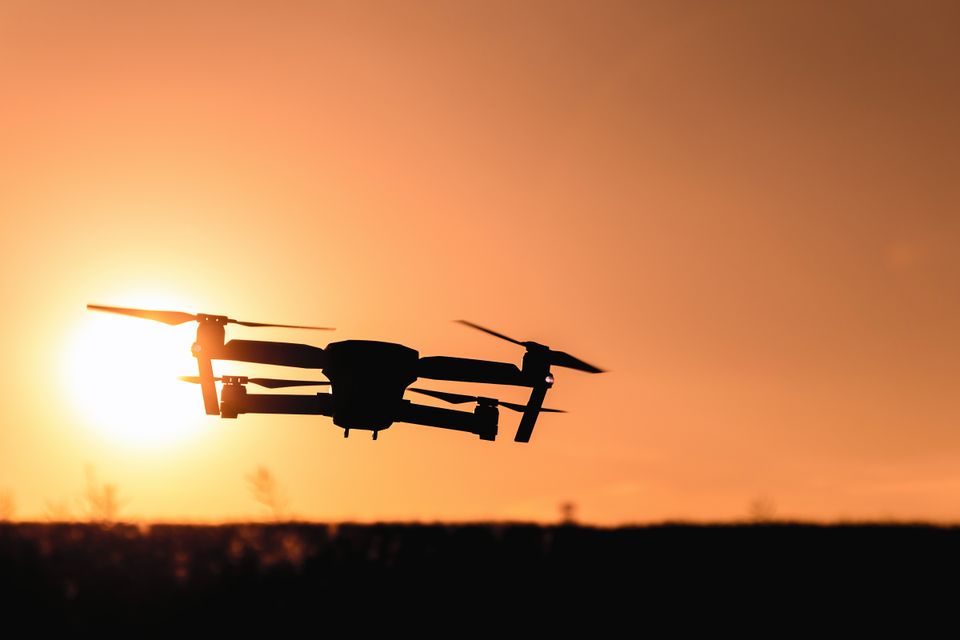
Flying a drone over a beautiful beach is tempting, but it's a legal minefield: in 2026 the EU has a harmonised drone framework requiring registration and rules, individual beaches and coasts have their own restrictions and no-fly zones, and privacy law limits filming people. Getting it wrong risks fines and confiscation. The good news is that the rules, while layered, are learnable, and flying legally at the beach is entirely possible with preparation.
This guide explains how EU drone rules apply at the beach in 2026, the privacy and local restrictions that matter, and how to fly your drone by the sea legally and courteously.
- The EU has a harmonised drone framework (EASA) requiring operator registration and category rules.
- Most consumer drones require registering as an operator and often passing an online test.
- No-fly and restricted zones commonly cover airports, nature reserves, ports and crowds — many coasts included.
- Privacy law restricts filming identifiable people without regard for their privacy.
- Individual beaches, resorts and protected areas may ban or restrict drones locally.
- Check the national drone authority and local rules, and never fly over crowds.
Quick answer: can you fly a drone at the beach in Europe?
Sometimes, with preparation — but not freely. In the EU, drones fall under a harmonised EASA framework that requires you to register as an operator (for most drones with a camera), often pass a basic online competency test, label your drone, and follow category rules (typically flying below 120 m, within sight, away from people and no-fly zones). On top of that, many coastal areas fall in restricted or no-fly zones (near airports, ports, nature reserves or over crowds), individual beaches and resorts may ban drones locally, and privacy law restricts filming identifiable people. So flying at a beach is possible where it's permitted and you're registered and compliant, but crowded, protected or restricted-zone beaches are often off-limits.
So the answer is: yes if you're properly registered, the specific location isn't a no-fly zone, the local beach allows it, and you respect privacy and safety — but that's several boxes to tick, and busy or protected beaches frequently fail them.
The EU (EASA) framework
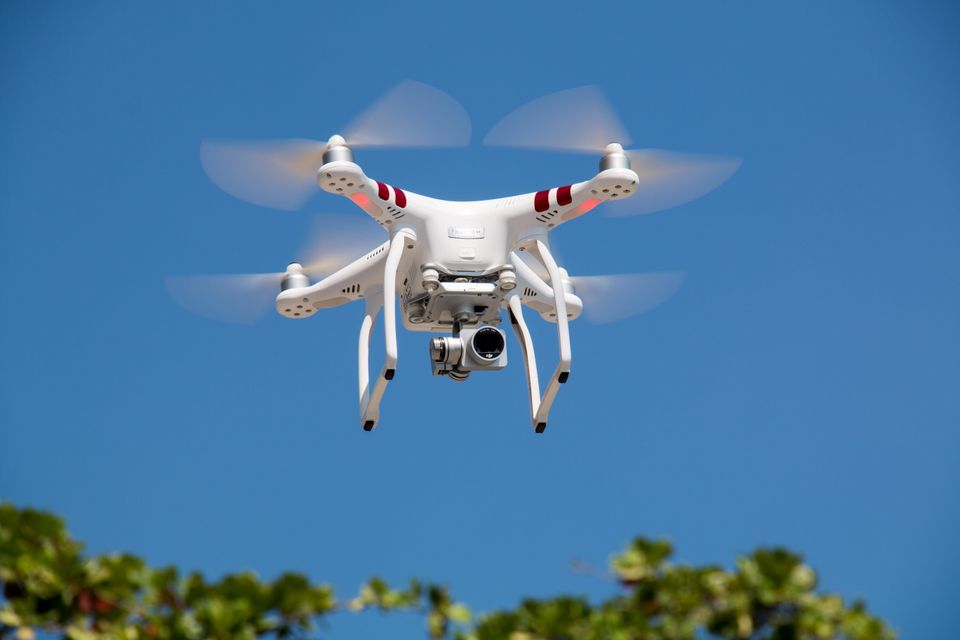
Since the EU harmonised drone rules, a common framework applies across member states (plus similar rules in the UK and others). In broad terms: you register as a drone operator (required for most camera drones, regardless of size), often complete an online training and test for the relevant category, mark your drone with your operator ID, and fly within the rules of your category — commonly the 'Open' category for consumer drones, with limits like a maximum height (typically 120 m), keeping the drone in visual line of sight, and maintaining distance from uninvolved people. Newer drones carry a 'class' marking (C0–C4) that determines exactly what you can do.
So before flying anywhere, including the beach, you need to be a registered operator flying a compliant drone within your category's rules. This baseline applies across the EU, and getting it sorted (registration, test, drone labelling) is the first step to any legal beach flight.
- Register as an operator (most camera drones) and often pass an online test.
- Fly within category rules: typically under 120 m, in sight, away from people.
- Label your drone with your operator ID; newer drones have C0–C4 class marks.
No-fly zones and coastal restrictions
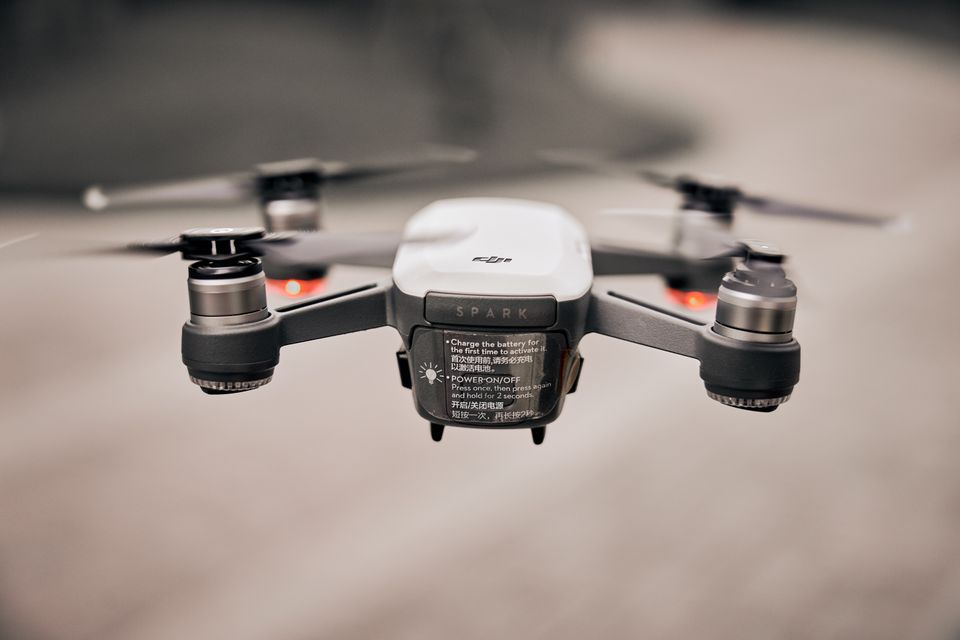
Even as a registered operator, where you fly is heavily restricted. No-fly and restricted zones commonly cover the vicinity of airports and airfields, ports and harbours, military areas, nature reserves and national parks, and areas over crowds or gatherings — and many coasts and beaches fall within one or more of these. Popular beaches near airports (common on tourist coasts), within marine protected areas, or crowded in summer are frequently no-go. National authorities publish drone-zone maps (and apps) showing where you can and can't fly, which you should check for your exact location before flying, as a scenic coast can easily sit inside a restricted zone.
So checking the official drone-zone map for your specific beach is essential — being a registered operator doesn't override no-fly zones. Many beautiful, popular or protected beaches are precisely the ones inside restricted airspace, so verify before you launch.
Privacy: filming people
Privacy law is a major and often-overlooked constraint. Drones with cameras capturing identifiable people engage data-protection and privacy rules (like the GDPR in the EU), and filming beachgoers — who are often in swimwear and have a strong expectation of privacy — without regard for their privacy can breach these laws, quite apart from being intrusive and unwelcome. Hovering over or filming people on a beach is both a legal risk and a serious etiquette breach. The safe and lawful approach is to film landscapes and seascapes without focusing on identifiable individuals, and to avoid flying over or near people entirely.
So respect privacy: don't film identifiable people on the beach, don't hover over sunbathers, and keep well away from others. Beyond the legal risk, drones over a beach are widely resented as intrusive and noisy, so courteous, people-free flying is both the lawful and the considerate choice.
Local beach and resort rules
On top of national airspace and privacy rules, individual beaches, resorts, municipalities and protected areas often set their own drone restrictions or bans — a beach may prohibit drones by local by-law even where national airspace rules would allow it, especially busy tourist beaches, private beach clubs, and nature reserves. Posted signs and local regulations govern this, and enforcement (by police, lifeguards or wardens) can include being told to land, fines, or confiscation. So the local layer matters as much as the national one: a beach can ban drones regardless of your registration and the airspace status.
So check for local drone bans too — signs at the beach, resort rules, and municipal or park regulations. The full compliance picture is national registration plus airspace zones plus privacy law plus local rules, and any one of them can make a given beach off-limits for your drone.
How to fly legally and courteously
To fly your drone at the beach the right way: register as an operator and complete any required test before your trip; check the national drone-zone map/app for your exact beach and confirm it's not restricted; check for local beach or resort drone bans (signs, municipal rules); fly early when beaches are empty to avoid people and crowds; keep well below the height limit, within sight, and far from people, airports and protected wildlife; never film identifiable individuals; and land immediately if asked by an official. Carry your registration details. This lets you get your coastal shots lawfully and without upsetting anyone.
So legal, courteous beach droning is very doable: get registered, check the zones and local rules, fly at quiet times over empty land- and seascapes, respect privacy and wildlife, and comply with officials. Do that and you capture the coast beautifully without fines, confiscation or annoyed beachgoers.
Before you go
- Register as a drone operator and complete any required online test before your trip.
- Check the national drone-zone map/app for your exact beach — confirm it's not restricted.
- Check for local beach, resort or park drone bans (signs and municipal rules).
- Fly early when beaches are empty; never fly over crowds.
- Stay well below the height limit, within sight, and far from people and airports.
- Never film identifiable people; respect privacy and wildlife.
- Carry your registration and land immediately if asked by an official.
FAQ
Can you fly a drone on a beach in Europe?
Only where permitted and if you're compliant — you must register as an EU drone operator, fly within category rules (typically under 120 m, in sight, away from people), avoid no-fly zones (which cover many coasts), respect privacy, and obey local beach bans. Busy or protected beaches are often off-limits.
Do I need to register my drone to fly at the beach?
Yes, in the EU most camera drones require registering as an operator, and often passing an online competency test and labelling the drone. This baseline applies everywhere, including beaches, before you consider location-specific rules.
Are beaches no-fly zones for drones?
Many are — no-fly and restricted zones cover airports, ports, nature reserves and areas over crowds, and lots of coasts and popular beaches fall within them. Check the official national drone-zone map for your exact location, as scenic coasts often sit in restricted airspace.
Can I film people on the beach with my drone?
No — filming identifiable people without regard for their privacy can breach data-protection and privacy law (like the GDPR), and beachgoers have a strong privacy expectation. It's also intrusive and resented. Film landscapes and seascapes only, and keep away from people.
Can a beach ban drones even if the airspace allows it?
Yes — individual beaches, resorts, municipalities and protected areas can set their own drone bans by local rule, regardless of national airspace status. Check for local signs and regulations, as a beach can prohibit drones even where general rules would permit them.
What happens if I fly a drone illegally at the beach?
You risk being ordered to land, fines, and confiscation, enforced by police, lifeguards or wardens, plus potential privacy-law consequences for filming people. Flying in a no-fly zone or over crowds is treated seriously, so check all the rules first.
Use BeachFinder to check today's spot.
Use your location, search any city worldwide or explore the map to compare the 20 most relevant beaches and swimming spots around you.
Download BeachFinder
Find beach conditions, sea temperature, wind, UV, water quality, and nearby swimming spots before you go.