
Beaches you now have to book: reservations and daily quotas in 2026
A growing number of famous beaches now cap daily visitors and require booking. Here's which beaches need reservations in 2026 (Sardinia, the Calanques and more), why, and how to secure a spot.
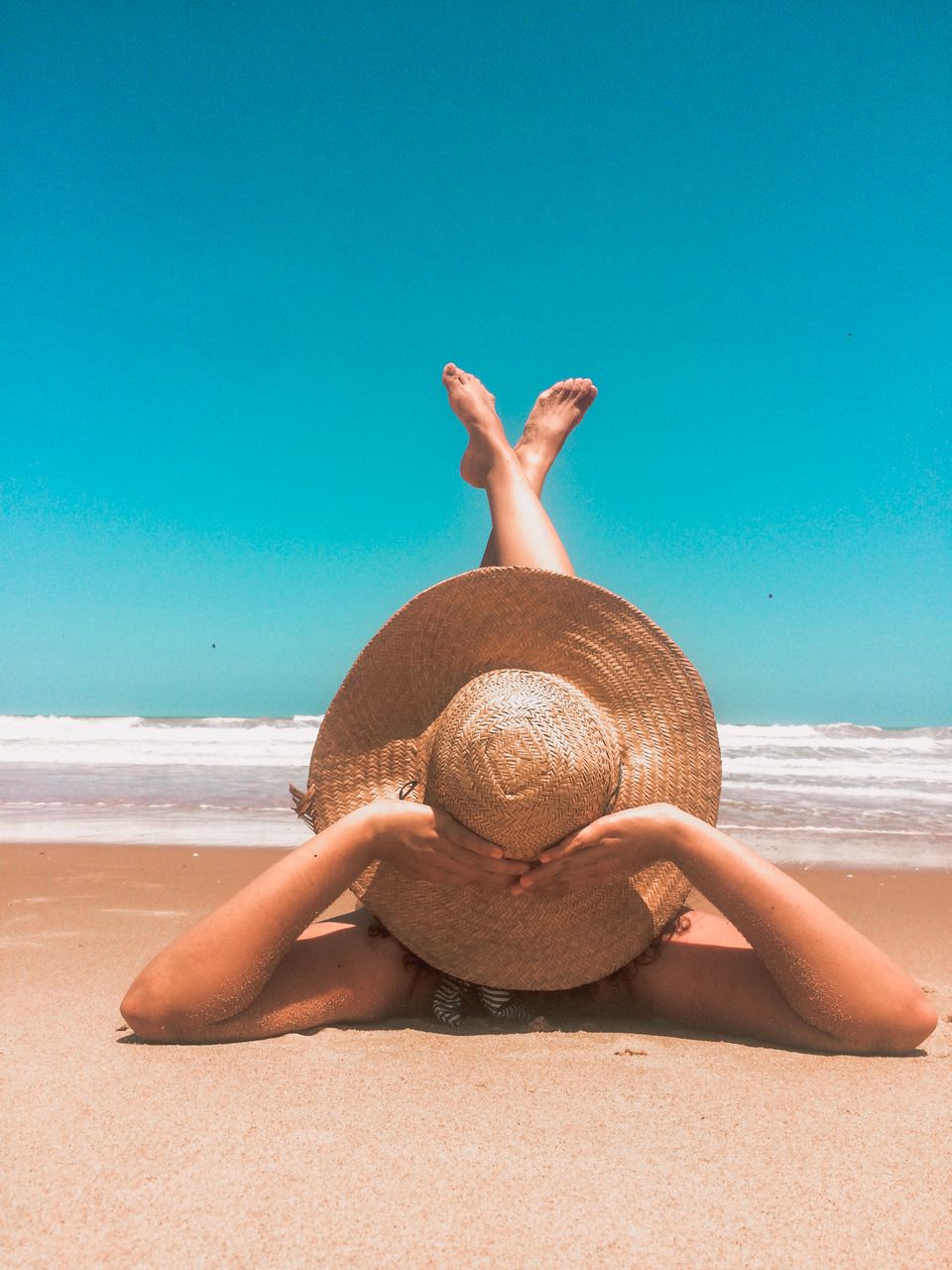
It's a new reality of European beach travel: some of the most famous beaches now cap daily visitor numbers and require you to book a spot in advance, sometimes for a small fee. Driven by overtourism and the need to protect fragile environments, beaches in Sardinia, France's Calanques, and other hotspots have introduced reservations and quotas — and turning up without one can mean being turned away. Knowing which beaches need booking, and how to do it, is now part of planning a summer trip.
This guide covers which beaches require reservations or have daily quotas in 2026, why the system has spread, and how to secure your spot at these protected, sought-after beaches.
- Some famous beaches now cap daily numbers and require advance booking, sometimes with a small fee.
- Examples include several Sardinian beaches (e.g. La Pelosa, Cala) and France's Calanque de Sugiton near Marseille.
- The aim is protecting fragile dunes, seagrass and cliffs from overtourism damage.
- Booking is usually online, opening days or weeks ahead, and spots can go fast.
- Turning up without a required reservation can mean being refused entry.
- Check each specific beach's official booking system before you travel.
Quick answer: which beaches do you have to book in 2026?
A growing list of protected, over-visited beaches now require reservations or enforce daily quotas. Well-known examples include several beaches in Sardinia (such as La Pelosa at Stintino and various Cala beaches, which have introduced caps, booking and/or fees in recent years) and France's Calanque de Sugiton near Marseille (which introduced a free reservation and daily quota to protect the site). Other Mediterranean and European hotspots have adopted similar systems. These are typically fragile, famous, small beaches where unlimited numbers caused damage. Booking is usually done online in advance, and without a required reservation you may be refused entry, so checking each specific beach's rules before travelling is essential.
So the answer is: a specific and growing set of famous, fragile beaches — not all beaches — now need booking. Check the individual beach you plan to visit, because the ones with quotas are exactly the iconic spots most people want to see.
Sardinia's capped beaches
Sardinia has been at the forefront of beach quotas, protecting its famous white-sand beaches from the erosion and damage of mass visitation. Beaches such as La Pelosa (Stintino) — one of Italy's most photographed — have introduced daily visitor caps, advance booking and entry fees, along with rules like mats to keep sand off towels and, longstanding across Sardinia, strict bans on taking sand. Other renowned Sardinian beaches and coves have adopted numbers limits and booking too. The island's approach reflects how its fine, slow-to-replace sand and heavy tourism forced active management to preserve the beaches that draw visitors in the first place.
So if Sardinia's iconic beaches are on your list, expect that the most famous may require booking, a fee, and specific rules — and plan accordingly. The measures are precisely at the beaches you're most likely to want, so build the reservation into your trip planning.
- La Pelosa (Stintino) and other famous Sardinian beaches cap daily numbers and require booking/fees.
- Rules include beach mats and strict bans on taking sand.
- Driven by protecting Sardinia's fine, slow-to-replace white sand.
France's Calanques and other protected sites
France's Calanques National Park near Marseille introduced a reservation-and-quota system for the Calanque de Sugiton, one of its most popular coves, capping daily numbers with a free online booking to protect the fragile site from the erosion and crowding caused by its social-media fame. It's a notable example of a free (not paid) quota purely for conservation and crowd management. Similar approaches appear at other protected natural beaches and coves across Europe where narrow access and fragile environments can't sustain unlimited visitors. The pattern is national or regional park authorities managing access to their most vulnerable, most popular spots.
So beyond Italy, protected natural areas like the Calanques show the conservation-driven, often free, quota model. If your destination includes a famous cove within a national or nature park, check whether it now requires a (possibly free) reservation before you set out.
Why quotas and reservations have spread
The driver is overtourism meeting fragile environments. Social media has funnelled enormous crowds to a handful of iconic, often small and delicate beaches — think a narrow cove or a fine-sand beach on protected dunes — where the sheer numbers cause erosion, damage vegetation and seagrass, strain facilities and ruin the experience. Caps and bookings spread the load, protect the environment, and preserve the beach's appeal. It's the same logic being applied to over-visited landmarks and trails worldwide: where a place can't sustain unlimited visitors, managed access replaces free-for-all. For the most famous, fragile beaches, that increasingly means booking.
So the reservation trend is a direct response to the mismatch between viral popularity and physical carrying capacity. Understanding this helps you anticipate it: the more famous, fragile and small a beach, the more likely it now has, or soon will have, some form of managed access.
How to secure a spot
To book a quota beach: find the official reservation system (via the beach's or park's official website or the local tourism authority — beware unofficial resellers), note when bookings open (often a set number of days or weeks ahead, sometimes daily) and book as early as you can, because popular slots fill fast in peak season. Have your reservation (usually a QR code or confirmation) ready to show at entry. Check any associated rules (fees, time slots, mats, what's banned) and arrive within your slot. If you can't get a booking, have an alternative nearby beach in mind, as many uncapped beaches sit near the famous capped ones.
So securing a spot is about using the official system, booking early, and having your confirmation ready — plus a backup beach if slots run out. Treat these famous beaches like a timed attraction that needs a ticket, and you won't be turned away at the sand.
Planning around the quota beaches
Fit quota beaches into your trip deliberately. Research before you travel which of your target beaches require booking, and reserve those first, around which you can plan flexible days at uncapped beaches. Consider visiting famous capped beaches in shoulder season (May–June, September) when quotas may be easier to secure and the experience calmer. And embrace the many superb uncapped beaches nearby — the quota system exists precisely because a few spots are overloaded while others are quieter, so spreading your visits rewards you with space as well as easier access.
So the quota beaches are worth the effort to book, but they're also a prompt to explore beyond the viral few. Reserve the icons early, go in shoulder season if you can, and fill the rest of your trip with the quieter, unrestricted beaches that need no booking at all.
Before you go
- Research which target beaches require booking before you travel.
- Use only the official reservation system (beach/park website or tourism authority).
- Note when bookings open and reserve early — popular slots fill fast.
- Have your confirmation (often a QR code) ready to show at entry.
- Check associated rules: fees, time slots, mats, and what's banned.
- Have a backup uncapped beach nearby in case slots run out.
- Consider shoulder season for easier quotas and calmer visits.
FAQ
Which beaches require reservations in 2026?
A growing set of famous, fragile beaches — for example several in Sardinia (like La Pelosa at Stintino) and France's Calanque de Sugiton near Marseille — now cap daily numbers and require advance booking, sometimes with a fee. Check each specific beach's official system.
Why do some beaches now have daily visitor limits?
To protect fragile environments from overtourism. Social-media fame funnels huge crowds to small, delicate beaches, causing erosion and damage to dunes, seagrass and cliffs. Caps and bookings spread the load and preserve the beach and the experience.
How do I book a spot at a quota beach?
Find the official reservation system via the beach's or park's website or the local tourism authority (avoid unofficial resellers), book as early as possible when slots open, and have your confirmation ready at entry. Popular slots fill fast in peak season.
Do you have to pay to reserve these beaches?
It varies — some (like several Sardinian beaches) charge an entry fee with booking, while others (like the Calanque de Sugiton) use a free reservation purely for conservation and crowd control. Check the specific beach's system.
What happens if I turn up without a reservation?
At beaches that require booking, you may be refused entry if you don't have a valid reservation, especially in peak season when quotas are full. That's why checking and booking in advance is essential for these specific beaches.
Are there alternatives if I can't book a famous beach?
Yes — many superb uncapped beaches usually sit near the famous capped ones, since the quotas exist precisely because a few spots are overloaded. Have a backup nearby beach in mind, and consider shoulder season for easier access.
Use BeachFinder to check today's spot.
Use your location, search any city worldwide or explore the map to compare the 20 most relevant beaches and swimming spots around you.
Download BeachFinder
Find beach conditions, sea temperature, wind, UV, water quality, and nearby swimming spots before you go.