Reef-safe sunscreen in 2026: where certain chemicals are banned and what to buy
A growing list of destinations ban sunscreens containing oxybenzone and octinoxate to protect coral reefs. Here's where the rules apply in 2026, what 'reef-safe' really means, and how to choose.
A growing number of beach destinations now restrict or ban sunscreens containing certain chemicals — chiefly oxybenzone and octinoxate — because of evidence they harm coral reefs and marine life. In 2026, that means travellers to places like Hawaii, parts of the Caribbean and Pacific, and various marine parks need to check the rules and pack the right sunscreen, while still protecting their skin properly. 'Reef-safe' is not a regulated term, so knowing what to actually look for matters.
This guide explains where sunscreen restrictions apply in 2026, what the banned ingredients are, what 'reef-safe' really means, and how to choose a sunscreen that protects both your skin and the reef.
- Bans typically target oxybenzone and octinoxate, two chemical UV filters linked to coral harm.
- Hawaii, Key West, Palau, Bonaire, Aruba and various marine parks restrict these ingredients.
- 'Reef-safe' / 'reef-friendly' are unregulated marketing terms — read the ingredient list.
- Mineral (zinc oxide / titanium dioxide) sunscreens are the usual reef-safer choice.
- Protecting your skin still matters — choose an effective reef-safer product, don't skip sunscreen.
- Check the specific destination's rules before you travel, as they vary and change.
Quick answer: what sunscreen should you use in 2026?
Where reefs are protected, use a mineral sunscreen based on non-nano zinc oxide or titanium dioxide, and avoid products containing oxybenzone and octinoxate (and, where specified, a few other filters). These chemical filters are the ones most destinations ban for coral harm, so a mineral formula both complies with the rules and reduces reef impact. Crucially, don't respond by using less sun protection — pick an effective reef-safer product and keep protecting your skin. And because 'reef-safe' is an unregulated label, verify by reading the ingredient list rather than trusting the front-of-pack claim.
So the simple rule for 2026: mineral (zinc/titanium) sunscreen, no oxybenzone or octinoxate, verified by the ingredients — and never skip protection. That satisfies the common bans and protects both skin and reef.

What the banned ingredients are
The restrictions center on specific chemical UV filters. Oxybenzone (benzophenone-3) and octinoxate (octyl methoxycinnamate) are the two most commonly banned, based on research linking them to coral bleaching, DNA damage in coral, and harm to other marine life even at low concentrations. Some jurisdictions extend bans to additional ingredients (such as octocrylene, avobenzone, or certain others, depending on the location). These are all chemical (organic) filters that absorb UV. The alternative, mineral (inorganic) filters — zinc oxide and titanium dioxide — sit on the skin and reflect UV, and are generally considered reef-safer, especially in non-nano form.
So the core of it is: avoid oxybenzone and octinoxate (and check for any extra banned filters at your destination), and favour mineral zinc/titanium sunscreens. Knowing these ingredient names lets you read any label and judge it, wherever you are.
- Most-banned: oxybenzone (benzophenone-3) and octinoxate (octyl methoxycinnamate).
- Some places add others (e.g. octocrylene, avobenzone) — check locally.
- Reef-safer alternative: non-nano mineral zinc oxide / titanium dioxide.
Where the rules apply in 2026
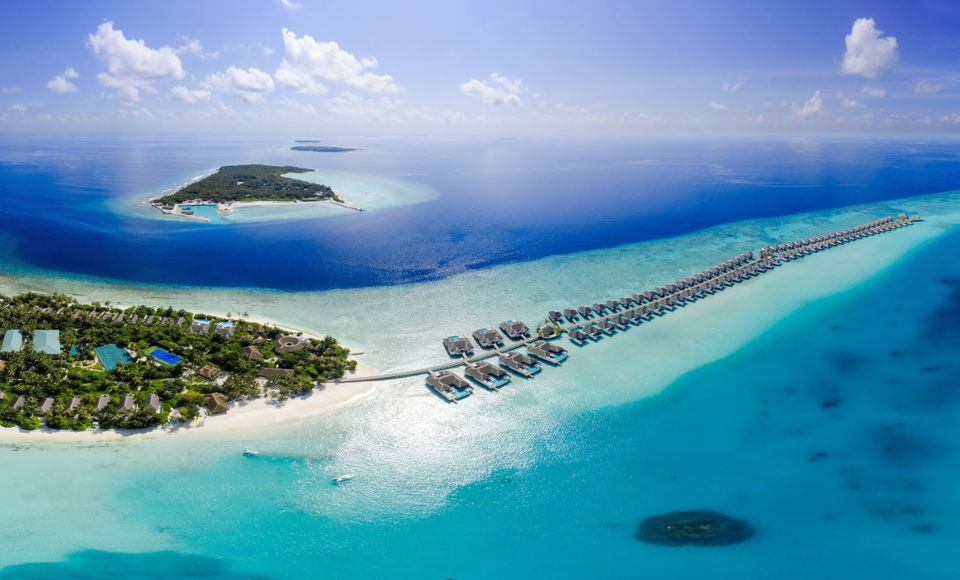
Restrictions exist across a spread of reef destinations, and the list has grown over recent years. Hawaii banned the sale of sunscreens with oxybenzone and octinoxate; Key West (Florida) restricted their sale; the Pacific nation of Palau has one of the strictest bans, covering several ingredients; and Caribbean islands and marine areas including Bonaire and Aruba, along with various marine parks and nature reserves worldwide (in Mexico's cenotes and reserves, some reserves in Thailand, and others), require reef-safer sunscreen or ban certain chemicals. Rules vary in exactly which ingredients they cover and how they're enforced, and they continue to change.
So the practical step is to check your specific destination's current rules before travelling, because coverage differs by place and evolves. Assume major reef destinations may have restrictions, and pack a mineral, oxybenzone-and-octinoxate-free sunscreen to be safe anywhere.
Why 'reef-safe' labels can mislead
'Reef-safe' and 'reef-friendly' are marketing terms with no standard legal definition, so a product can carry them while still containing ingredients some destinations ban, or that lack strong evidence of being harmless. The only reliable check is the ingredient list: confirm it's free of oxybenzone and octinoxate (and any others your destination bans), and ideally that it uses mineral filters. Don't assume a green label or a 'reef-safe' claim guarantees compliance or harmlessness — read the actual active ingredients, just as you would for any other product claim.
So treat 'reef-safe' as a prompt to check, not a guarantee. The label points you in the right direction, but the ingredient list is the truth. This small habit — reading actives — protects you from non-compliant products with reassuring front-of-pack claims.
Protecting your skin AND the reef
The point of reef-safer sunscreen is to protect the reef without compromising your own sun protection — never to use less. Skin-cancer and sunburn risk are serious, so choose an effective, broad-spectrum, adequately high-SPF mineral sunscreen and use it properly (enough quantity, reapplied regularly, especially after swimming). You can also reduce both reef impact and sunscreen need by covering up: a rash guard or UV swim shirt, a hat and shade cut the amount of skin needing sunscreen at all, which is good for you and the reef. Combine a reef-safer mineral sunscreen with sun-protective clothing for the best of both.
So the balanced approach is: cover up where you can (clothing, hat, shade), and use an effective mineral, reef-safer sunscreen on the rest — protecting your skin fully while minimising reef harm. Reef-safety and sun-safety are not a trade-off if you choose well.
Practical tips for travellers
A few practical points: buy your reef-safer mineral sunscreen before you travel, as it may be pricier or harder to find at the destination (though many reef areas now sell compliant products); apply mineral sunscreen a little before sun exposure and rub it in well (mineral formulas can leave a white cast — modern tinted versions reduce this); pack a rash guard and hat to cut how much sunscreen you need; and if you're visiting a marine park or reserve, check its specific rules and any provided guidance. Respecting these rules protects the very reefs you've come to enjoy.
So plan ahead: bring compliant sunscreen, add sun-protective clothing, and check local rules. It's a small effort that keeps you protected, keeps you compliant, and helps preserve the reefs — which is the whole reason the rules exist.
Before you go
- Choose a non-nano mineral (zinc oxide / titanium dioxide) sunscreen.
- Avoid oxybenzone and octinoxate — check the ingredient list, not the 'reef-safe' label.
- Check your specific destination's sunscreen rules before travelling.
- Never reduce sun protection — use an effective, broad-spectrum, high-SPF product.
- Cover up with a rash guard, hat and shade to need less sunscreen.
- Buy compliant sunscreen before you travel in case it's scarce locally.
- Reapply properly, especially after swimming or sweating.
FAQ
What sunscreen ingredients are banned to protect reefs?
Most bans target oxybenzone (benzophenone-3) and octinoxate (octyl methoxycinnamate), chemical UV filters linked to coral harm. Some places also restrict others like octocrylene. Mineral filters — zinc oxide and titanium dioxide — are the reef-safer alternative.
Where is sunscreen banned or restricted in 2026?
Places including Hawaii, Key West (Florida), Palau, Bonaire and Aruba, plus various marine parks and reserves worldwide, restrict or ban oxybenzone and octinoxate. Rules vary by location and change, so check your specific destination before travelling.
Does 'reef-safe' on a label actually mean anything?
Not reliably — 'reef-safe' and 'reef-friendly' are unregulated marketing terms with no standard definition. The only way to be sure is to read the ingredient list and confirm it's free of oxybenzone, octinoxate and any others your destination bans.
What is the best reef-safe sunscreen?
A broad-spectrum, adequately high-SPF mineral sunscreen based on non-nano zinc oxide or titanium dioxide, free of oxybenzone and octinoxate. Verify by the ingredient list, and choose an effective product — reef-safety shouldn't mean less sun protection.
Are mineral sunscreens as effective as chemical ones?
Yes, when used properly — mineral (zinc/titanium) sunscreens provide effective broad-spectrum protection by reflecting UV. Apply enough and reapply regularly. Modern and tinted formulas reduce the white cast that older mineral sunscreens left.
Should I use less sunscreen to protect the reef?
No — never reduce sun protection. Instead, use a reef-safer mineral sunscreen and cut how much you need by covering up with a rash guard, hat and shade. This protects your skin fully while minimising reef impact.
Use BeachFinder to check today's spot.
Use your location, search any city worldwide or explore the map to compare the 20 most relevant beaches and swimming spots around you.
Download BeachFinder
Find beach conditions, sea temperature, wind, UV, water quality, and nearby swimming spots before you go.