
St. Augustine and the north Atlantic coast: old-Florida beaches without Miami prices
St. Augustine pairs the oldest city in America (founded 1565) with wide, drivable Atlantic beaches at far lower prices than South Florida. Here is the coast, the season and where to swim.
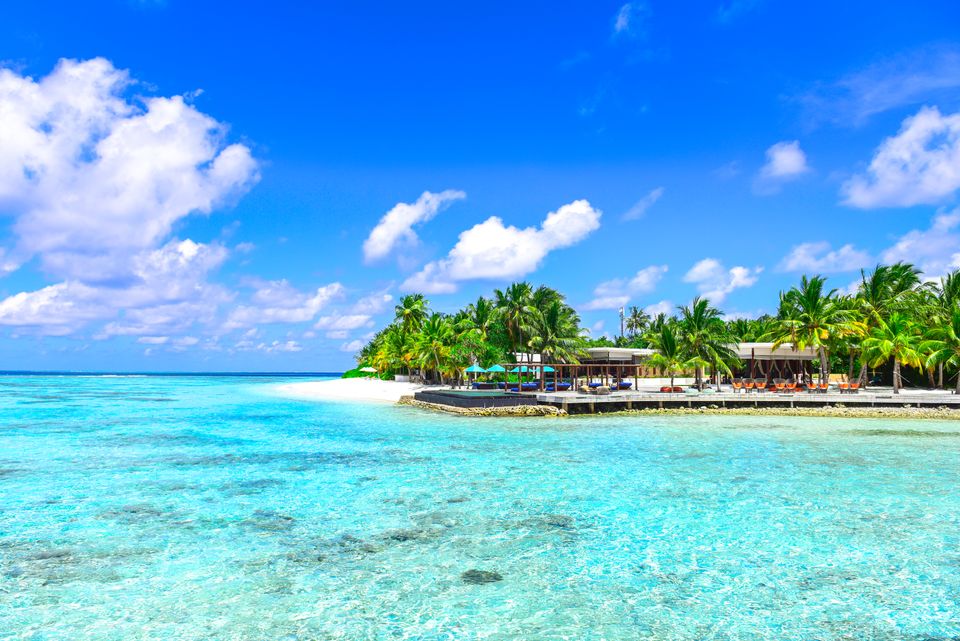
St. Augustine, on Florida's northeast Atlantic coast, is the oldest continuously occupied European-founded city in the United States — settled in 1565, 55 years before the Mayflower — and it comes with a coastline that is everything South Florida is not: wide, quiet, sometimes drivable-on beaches at a fraction of Miami's prices. It is the 'old Florida' end of the Atlantic.
For a Vice-City-inspired trip that does not want Miami's cost or crowds, the northeast coast is the sensible alternative. This guide covers the main beaches, the cooler-water season reality, the drive-on-sand experience, and why 450 years of history make it more than just a cheaper swim.
- St. Augustine (founded 1565) is the oldest city in the US, paired with wide, quiet Atlantic beaches.
- Accommodation and food cost far less than Miami and the Keys — the budget end of the Atlantic coast.
- Some beaches (St. Augustine Beach, Vilano) let you drive on the hard-packed sand, for a fee and under rules.
- North Florida water is cooler: warm May–October, chilly (mid-to-high teens °C) in winter.
- Anastasia State Park protects the best natural, dune-backed beach in the area.
- The coquina-stone Castillo de San Marcos fort, completed in 1695, anchors the historic old town.
Quick answer: is St. Augustine worth it for beaches?
Yes, if you want wide, uncrowded Atlantic sand plus genuine history at a low price — and you are not chasing the tropical, year-round-warm water of South Florida. St. Augustine Beach and the barrier islands around it (Anastasia Island, Vilano Beach) give you long, gently sloping beaches with room to breathe, and the 450-year-old town behind them is a real destination in its own right.
The honest caveat is temperature: this is north Florida, so the water is a warm-season affair. Come May through October for comfortable swimming; winter water drops into the mid-to-high teens °C — fine for a walk, bracing for a swim.

The beaches: wide, drivable, uncrowded
St. Augustine Beach, on Anastasia Island, is the main event: broad, flat and family-friendly, with a pier and easy access. Vilano Beach to the north is quieter and, like parts of the area, allows driving directly onto the hard-packed sand (for a fee and under posted rules and seasonal restrictions) — a genuine old-Florida experience. Anastasia State Park protects a long stretch of natural, dune-backed beach that is the best choice for a wild, undeveloped swim.
Because this coast is far less developed than South Florida, even in summer the beaches rarely feel packed the way South Beach does. It is the antidote to the Miami crowd, at a lower price.
- St. Augustine Beach (Anastasia Island) — main beach, pier, family-friendly, easy access.
- Anastasia State Park — natural, dune-backed, the best undeveloped swim in the area.
- Vilano Beach — quieter, with seasonal drive-on-sand access (fees and rules apply).

Why the 1565 history changes the trip
Founded by the Spanish in 1565, St. Augustine's old town gives you a real reason to be there beyond the sand: the coquina-stone Castillo de San Marcos, completed in 1695 and the oldest masonry fort in the continental US; the narrow, walkable historic streets; and Spanish-colonial architecture that exists nowhere else in the country at this scale. Coquina — a soft local shell-stone — famously absorbed cannon fire rather than shattering, which is why the fort survived sieges.
That turns a beach trip into a beach-and-history trip, exactly the low-cost, high-substance combination that makes the northeast coast a smart alternative to pricey South Florida. You get a swim and a genuine historic city in one stop.
The old town in half a day
St. Augustine's history is walkable and dense, so half a day covers the essentials. The Castillo de San Marcos, the coquina fort on the waterfront, is the anchor — free to walk around outside, and cheap to enter. From there, pedestrianised St. George Street runs through the colonial old town past the Colonial Quarter and a scatter of 'oldest' attractions (the oldest wooden schoolhouse among them). At the south end, Flagler College occupies the former Ponce de León Hotel, a lavish 1888 Gilded Age building by Henry Flagler that helped invent Florida tourism, with the Lightner Museum in his old Alcazar Hotel across the street.
It is genuinely rare to pair a beach trip with a Spanish-colonial old town and a Gilded Age resort core in one walkable afternoon. The combination is exactly what makes St. Augustine punch above its low prices — you are not just getting a cheap beach, you are getting a real city with 450 years of layered history.
- Castillo de San Marcos — the 1695 coquina fort; walk the grounds free, enter cheaply.
- St. George Street — pedestrian colonial old town with the 'oldest' historic sites.
- Flagler College (former 1888 Ponce de León Hotel) and the Lightner Museum — Gilded Age Florida.
Winter wildlife: right whales calve off this coast
The northeast Florida coast has a genuinely world-class wildlife secret: it is the only known calving ground for the critically endangered North Atlantic right whale, one of the rarest large animals on earth with only around 370 individuals left. Pregnant females migrate south to the warm, shallow waters off northeast Florida and Georgia to give birth between roughly December and March, and they are occasionally visible from shore — a rare privilege, and a reason winter here is not a write-off even when the water is too cold to swim.
The coast is also a major loggerhead and green sea-turtle nesting ground from about May to October, when marked nests dot the dunes and lighting rules protect hatchlings. And for a guaranteed sighting year-round, the St. Augustine Alligator Farm — open since 1893 — is one of the oldest attractions in the state. Winter, in other words, trades swimmable water for a chance at whales; summer trades whales for warm water and nesting turtles.
St. Augustine vs Miami: the value comparison
The two ends of Florida's Atlantic coast could hardly be more different. Miami gives you year-round warm water, tropical scenery, world-class nightlife and the Vice City look — at high prices and with heavy crowds. St. Augustine gives you wide, uncrowded beaches, deep history and low prices — but cooler, seasonal water and a small-town pace.
The rule: choose Miami for tropical warmth and nightlife regardless of budget; choose St. Augustine when you want space, history and value, and you are travelling in the warm season. Many road-trippers do both, using the northeast coast as the affordable counterweight to a few expensive Miami days.
Getting there and when to go
The nearest airport is Jacksonville (JAX), about 45 minutes north; Orlando (MCO) is roughly two hours south and the more common arrival for international visitors, which is another reason St. Augustine chains naturally with the Space Coast and central Florida. The town is small and the historic core is walkable, so once you arrive you barely need the car except to reach the beaches on Anastasia Island and Vilano.
On timing, May through October gives you swimmable water and turtle-nesting season, with summer the busiest and most humid stretch. But St. Augustine has a strong winter draw too: its Nights of Lights, when the old town is wrapped in millions of white lights from late November through January, is one of the most celebrated holiday-lights displays in the US and turns the cool-water off-season into a genuine reason to visit. In short, come in summer to swim, or in winter for the lights and a chance at right whales offshore.
- Nearest airports: Jacksonville (JAX) ~45 min; Orlando (MCO) ~2 hours.
- Summer (May–Oct): swimmable water, turtle nesting, busiest and most humid.
- Winter: cool water but the Nights of Lights display and offshore right whales.
Chaining it with the Space Coast
St. Augustine sits about two hours north of the Space Coast rocket beaches (Cocoa Beach, Cape Canaveral), so the two chain naturally into an Atlantic-coast trip that skips Miami's prices entirely: history and cheap wide beaches in the north, rocket launches and surf in the middle. Add a spring day inland and you have a full, varied week without ever paying South Florida rates.
Across the northeast-Florida Atlantic beaches BeachFinder maps, St. Augustine offers the best combination of beach quality, genuine sightseeing and low prices — the value anchor of the coast.
Before you go
- Swim May–October; north Florida winter water is mid-to-high teens °C.
- Try Anastasia State Park for the best natural, undeveloped beach.
- Experience drive-on-sand access at Vilano or St. Augustine Beach (check fees, rules and seasonal closures).
- Budget the old town — the 1565 city and 1695 coquina fort are the reason to stay.
- Expect far lower prices and thinner crowds than Miami or the Keys.
- Pair with the Space Coast (about 2 hours south) for a full Atlantic-coast loop.
- Bring a light layer for winter beach walks — it is cooler than South Florida.
FAQ
Can you drive on the beach in St. Augustine?
Yes, on parts of St. Augustine Beach and Vilano Beach you can drive on the hard-packed sand for a fee and under posted rules and seasonal restrictions — a classic old-Florida experience.
Is the water warm in St. Augustine?
In the warm season, yes — May through October is comfortable. This is north Florida, so winter water drops into the mid-to-high teens °C, better for walking than swimming.
Is St. Augustine cheaper than Miami?
Considerably. The northeast coast has far lower accommodation and food prices and thinner crowds than South Florida, making it the value end of the Atlantic coast.
What is the best beach near St. Augustine?
Anastasia State Park has the best natural, dune-backed beach. St. Augustine Beach is the easy family option, and Vilano is the quieter drive-on-sand choice.
How old is St. Augustine?
It was founded by the Spanish in 1565, making it the oldest continuously occupied European-founded city in the continental US — 55 years before the Mayflower reached Plymouth.
How far is St. Augustine from the rocket-launch beaches?
About two hours' drive north of the Space Coast (Cocoa Beach, Cape Canaveral), so the two chain naturally into a value-focused Atlantic-coast trip.
Use BeachFinder to check today's spot.
Use your location, search any city worldwide or explore the map to compare the 20 most relevant beaches and swimming spots around you.
Download BeachFinder
Find beach conditions, sea temperature, wind, UV, water quality, and nearby swimming spots before you go.