Sleeping on the beach: where it's legal, tolerated, or a costly mistake
Sleeping or camping on the beach feels romantic but is banned in many places, with real fines. Here's where beach camping is legal, tolerated or penalised in 2026, and the safe, legal alternatives.
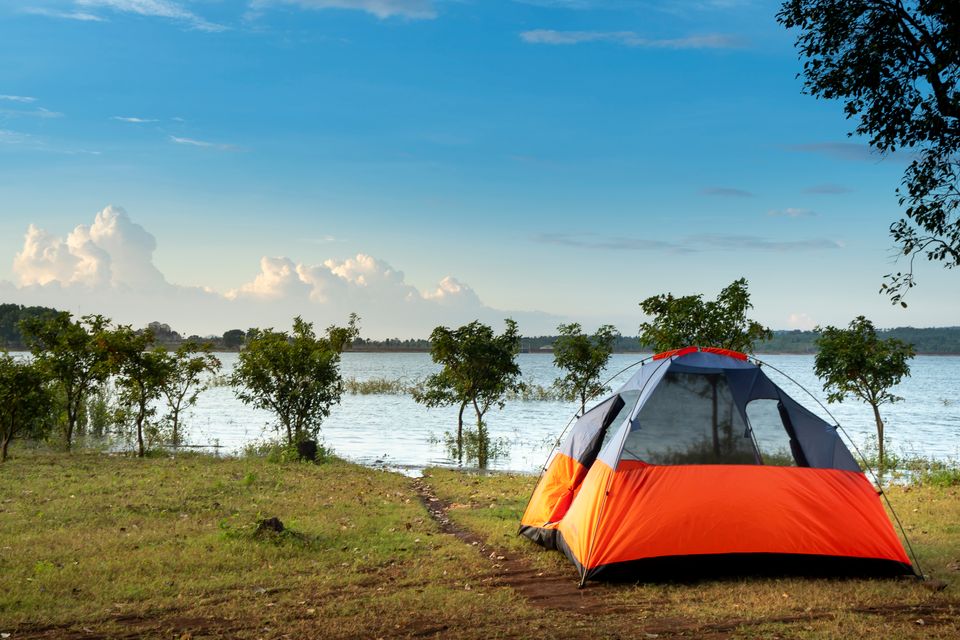
Sleeping under the stars on a beach is a classic romantic idea, but in reality it's banned in many places, with real fines and sometimes confiscated gear — while tolerated or legal in a few. Rules on beach camping, wild camping and overnight stays vary enormously by country and municipality, driven by safety, environment and public-order concerns. Knowing where it's actually allowed, tolerated or penalised saves you a fine and points you to the legal alternatives.
This guide explains where sleeping on the beach is legal, tolerated or a costly mistake in 2026, why the rules exist, and the safe, legal ways to sleep by the sea instead.
- Sleeping or camping on the beach is banned in many places, with fines and sometimes confiscated gear.
- Rules vary hugely by country and municipality — some tolerate it, most popular beaches forbid it.
- Bans are driven by safety (tides, cold), environment (dunes, wildlife), and public order.
- Wild camping is more tolerated in some remote areas and Nordic 'right to roam' countries (with caveats).
- Tides are a real danger — sleeping below the high-tide line risks being cut off or swept.
- Legal alternatives: beachfront campsites, coastal accommodation, or designated overnight areas.
Quick answer: can you sleep on the beach?
Usually not legally, though it depends heavily on where. Many countries and most popular beaches ban overnight sleeping, camping and bivouacking on the sand, enforced with fines and sometimes gear confiscation, for reasons of safety, environmental protection and public order. Some remote areas and certain countries (particularly Nordic 'right to roam' nations, and some tolerant spots elsewhere) are more permissive, though even there beaches, dunes and protected areas often have restrictions. And there's a real safety issue everywhere: sleeping below the high-tide line risks being flooded, cut off or swept by the rising tide. So while the romantic image is appealing, the legal and safe reality is that most beaches forbid it, and you should check local rules and use legal alternatives.
So the honest answer: on most popular European beaches, sleeping overnight is banned and fined; it's more tolerated in some remote or 'right to roam' areas; and tides make it genuinely dangerous anywhere if you're below the high-water line. Check locally and prefer legal options.
Where it's banned and fined
Most popular and urban beaches, and many whole countries or regions, prohibit overnight sleeping and camping on the sand. Bans are common across busy Mediterranean coasts, tourist resorts, and protected natural beaches, enforced by police, wardens or municipal officers with fines that can be significant (and, for protected areas, higher), plus possible confiscation of tents and gear. Wild camping generally — including on beaches — is restricted or banned in many European countries outside designated sites. So on the beaches most people visit, assume overnight sleeping is forbidden unless you've confirmed otherwise; the romantic beach sleepover is exactly the sort of thing these widespread bans target.
So the default expectation on popular and protected beaches is a ban with fines. Don't assume you can quietly sleep on a tourist or nature beach — it's commonly prohibited and enforced, and the penalty plus lost gear can be a costly end to the night.
- Most popular, urban and protected beaches ban overnight sleeping/camping.
- Enforced with fines (higher in protected areas) and possible gear confiscation.
- Wild camping is restricted or banned outside designated sites in many countries.
Where it's more tolerated or legal
Some places are more permissive. Certain Nordic and Baltic countries have a 'right to roam' (allemansrätten and similar) that permits responsible wild camping in nature, though this often comes with caveats and may not extend to all beaches, dunes or protected areas, and 'leave no trace' rules apply. Remote, undeveloped beaches in some regions may tolerate discreet overnight stays where not specifically banned, and a few places have designated areas or relaxed enforcement. But even where more tolerated, environmental restrictions (dunes, nesting birds, reserves) and tide safety still apply, so 'more tolerated' rarely means 'anything goes.' Always check the specific local rules, as tolerance varies and can't be assumed.
So legal or tolerated beach sleeping does exist — notably in 'right to roam' countries and some remote areas — but with real caveats around protected areas, dunes, wildlife and tides. It's the exception, not the rule, and still requires checking and responsible behaviour.
The tide danger
Beyond legality, there's a serious safety reason not to sleep on the open beach carelessly: the tide. Sleeping below the high-tide line means the rising tide can flood your spot, soak or sweep your gear, and — most dangerously — cut you off from the exit or catch you asleep, which has led to rescues and deaths. Tidal ranges can be large and fast on some coasts, and it's easy to misjudge where the water will reach, especially at night. Even where sleeping is legal or tolerated, you must sleep well above the highest tide line and know the tide times, or you risk a genuinely dangerous situation.
So the tide is a hard safety constraint independent of the law: never sleep below the high-water mark, always check tide times, and camp well back from the water. This danger applies everywhere, and it's a compelling reason to treat beach sleeping cautiously even where it's permitted.
Legal, safe alternatives
For a legal and safe way to sleep by the sea, use the proper alternatives: beachfront or coastal campsites (which offer the by-the-sea experience with facilities, safety and legality), coastal accommodation (hotels, guesthouses, hostels near the beach), campervan sites where overnight parking is permitted (van overnighting has its own rules, often banning wild parking on beach fronts), and any officially designated overnight or camping areas. These give you the coast-at-night experience without the fine, the confiscated gear, or the tide risk. Booking a beachfront campsite in particular captures much of the romance legally and safely.
So if sleeping by the sea is the goal, choose a beachfront campsite or coastal lodging rather than the sand itself. You get the sea air, the sunrise and the atmosphere legally and safely, which is a far better outcome than a fine and a wet, dangerous night on a banned beach.
If you're considering it anyway
If you're still considering sleeping on a beach, minimise the legal and safety risks: check the specific local rules first (municipal and protected-area regulations), confirm it isn't banned, respect any 'leave no trace' and protected-area restrictions, sleep well above the highest tide line and know the tide times, avoid dunes and wildlife areas, take all litter and gear away, and be prepared for cold, damp and being moved on by officials. Understand that even where tolerated, you're responsible for your safety and for not damaging the environment. And accept that on most popular beaches, it's simply not allowed.
So if you go ahead where it's genuinely legal or tolerated, do it responsibly and safely: rules checked, tide respected, environment protected, and gear packed out. But recognise that for most beaches and most travellers, the legal, safe alternatives are the better choice — and the sensible default.
Before you go
- Assume most popular and protected beaches ban overnight sleeping — check locally.
- Expect fines and possible gear confiscation where it's prohibited.
- Know 'right to roam' countries and remote areas may be more tolerant — with caveats.
- Never sleep below the high-tide line; check tide times and camp well back.
- Respect dunes, wildlife and protected-area restrictions; leave no trace.
- Prefer legal alternatives: beachfront campsites, coastal accommodation, designated areas.
- If tolerated and you go ahead, take all gear and litter away.
FAQ
Is it legal to sleep on the beach?
Usually not on popular beaches — many countries and most tourist and protected beaches ban overnight sleeping and camping, with fines and sometimes gear confiscation. It's more tolerated in some remote and 'right to roam' areas, but check the specific local rules.
Where can you legally camp on the beach?
Mainly at designated beachfront campsites and officially permitted overnight areas, and in some 'right to roam' countries (with caveats around protected areas and dunes). Most popular and protected beaches forbid it, so use legal sites for a safe, lawful sea-side night.
What's the fine for sleeping on the beach?
It varies by location and can be significant, higher in protected areas, and may come with confiscation of tents and gear. Figures differ by municipality and change, so treat any amount as illustrative and check local rules.
Why is sleeping on the beach dangerous?
The tide is the main danger — sleeping below the high-tide line risks being flooded, having gear swept away, or being cut off or caught asleep by fast-rising water, which has caused rescues and deaths. Cold, damp and lack of safety also apply.
Can you wild camp on beaches in Nordic countries?
Sometimes — 'right to roam' traditions (allemansrätten and similar) permit responsible wild camping in nature, but this often has caveats and may not extend to all beaches, dunes or protected areas, with 'leave no trace' rules. Check the specific local rules.
What are the alternatives to sleeping on the beach?
Beachfront or coastal campsites, coastal accommodation (hotels, guesthouses, hostels), permitted campervan sites, and designated overnight areas. A beachfront campsite captures much of the romance legally and safely, with facilities and no tide risk.
Use BeachFinder to check today's spot.
Use your location, search any city worldwide or explore the map to compare the 20 most relevant beaches and swimming spots around you.
Download BeachFinder
Find beach conditions, sea temperature, wind, UV, water quality, and nearby swimming spots before you go.