Panama City Beach: spring-break legend, family reality — both sides mapped
Panama City Beach is 27 miles of white quartz sand with a spring-break past it has toned down. Here is the family reality, St. Andrews State Park, the season, and how it compares to 30A.
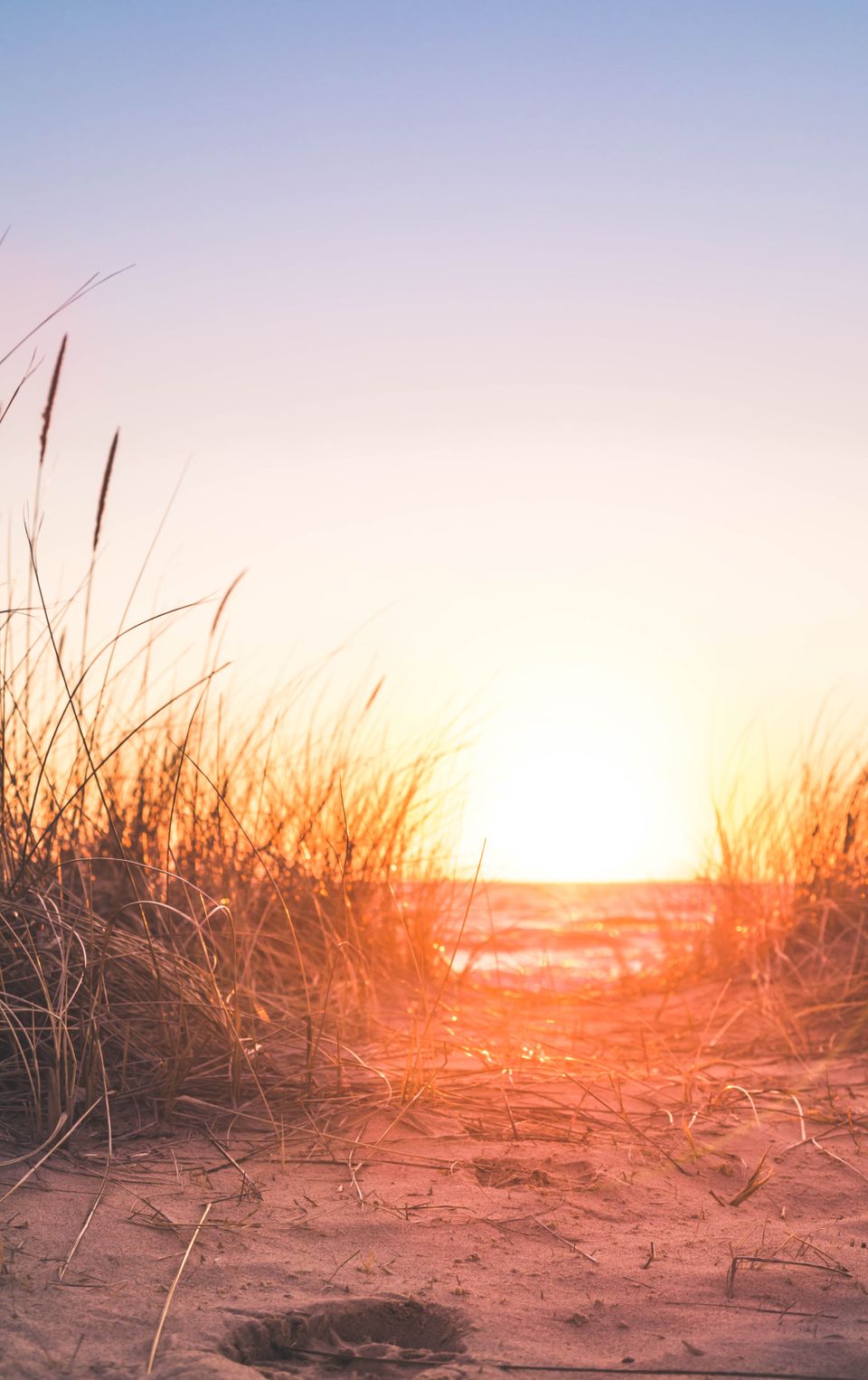
Panama City Beach — 'PCB' — is 27 miles of white quartz sand and emerald Gulf water on the Florida Panhandle, and it carries two reputations at once: a legendary (and now largely toned-down) spring-break scene, and a genuinely good, affordable family beach. The truth is both, and which one you experience depends almost entirely on where and when you go.
This guide maps both sides honestly: the family reality that dominates most of the year, St. Andrews State Park's calmer beaches, the spring-break history and how the town changed it, the season, and how PCB compares with the quieter 30A towns next door.
- PCB is 27 miles of white quartz sand and clear emerald Gulf water on the Panhandle.
- Its spring-break reputation was deliberately toned down by local rules passed in 2015; most of the year it is a family beach.
- It is the budget-friendly, amenity-heavy, high-rise end of the Panhandle — value and facilities over refinement.
- St. Andrews State Park has the calmest, most natural beaches in the area, with a protected jetty swimming area.
- Gulf water is warm April–October (mid-to-high 20s °C in summer) and cools into the low 20s in winter.
- The quiet, upscale 30A towns (Grayton, Seaside, Rosemary) are right next door for a completely different vibe.
Quick answer: is Panama City Beach a spring-break party or a family beach?
Both — but for most of the year, and for most visitors, it is a family beach. PCB earned a wild spring-break reputation over decades, but in 2015 the city and county passed a set of stricter rules (including a ban on drinking on the sandy beach during March) that deliberately cooled the scene, and the town has leaned into family tourism ever since. Outside the specific spring-break weeks of March, PCB is a broad, affordable, amenity-rich family beach with excellent white sand and clear water.
So the honest answer depends on timing: go in March and there is still a livelier, younger scene in places; go any other time and it is a straightforward, good-value family beach with some of the best sand on the Gulf.
The beach itself: 27 miles of white quartz
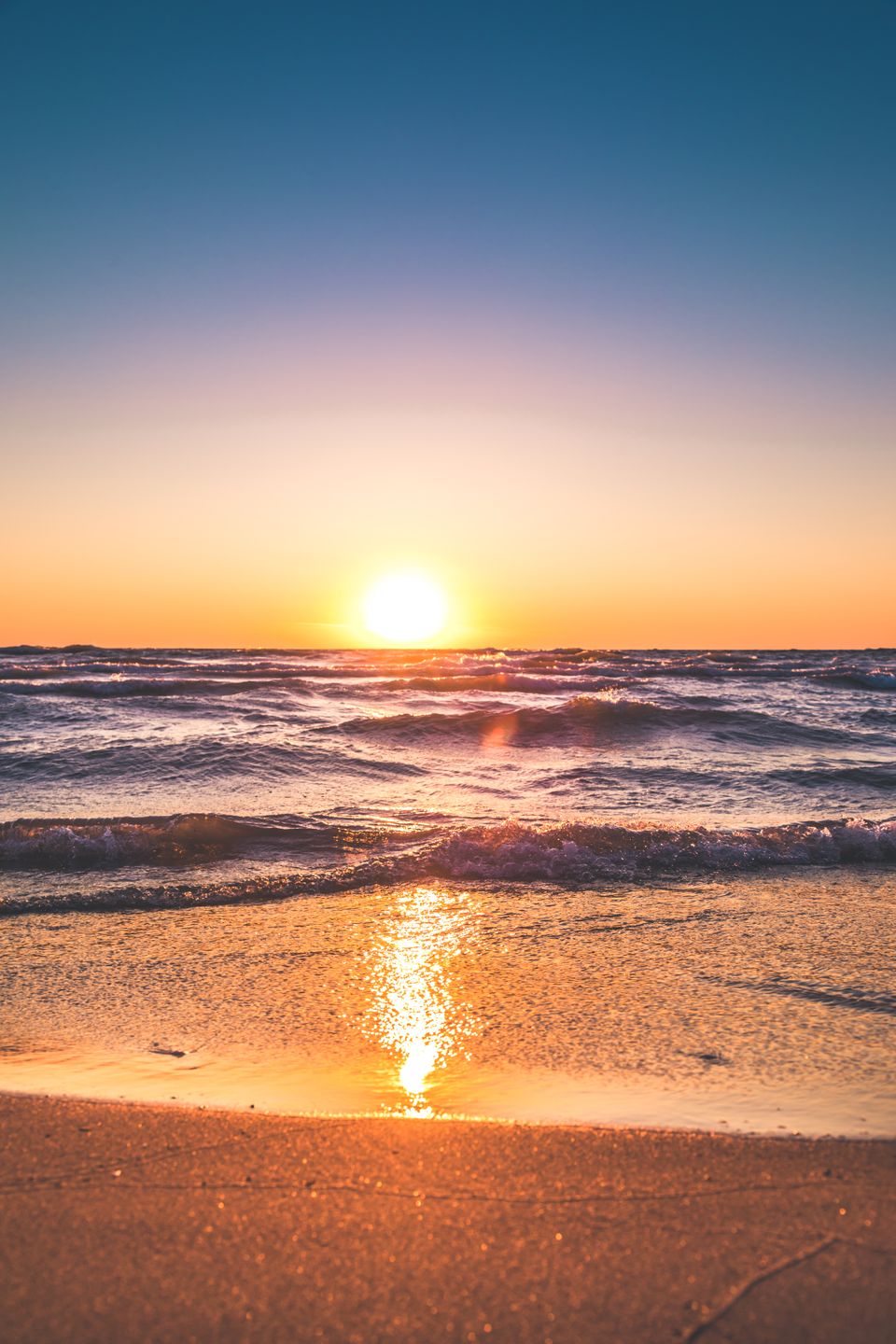
PCB's fundamental asset is the sand and water: 27 miles of fine, brilliant-white quartz sand (the same Appalachian-origin sand as the rest of the Panhandle) and the clear, green-blue 'emerald' Gulf water the region is named for. The main strip is lined with high-rise condos, hotels, restaurants and attractions — this is the developed, convenient, do-everything end of the Panhandle, with easy beach access, water sports, piers and family attractions all along Front Beach Road.
The white quartz means the sand stays relatively cool underfoot and the water reads especially turquoise, and the sheer length of the beach means that even on busy days you can walk to a quieter stretch. It is a genuinely high-quality beach wrapped in a convenient, built-up resort strip.

St. Andrews State Park: the calm, natural end
For the quieter, more natural side of PCB, St. Andrews State Park at the east end is the standout. It protects dune-backed natural beaches, pine flatwoods and a jetty-protected swimming area — a calm, shallow lagoon sheltered from the open Gulf that is ideal for young children and snorkelling. It regularly ranks among Florida's best beaches and offers a complete contrast to the high-rise main strip a few minutes away.
The park has a modest entry fee, and it fills on peak summer days, so arrive early. It is the answer for anyone who finds the main PCB strip too developed: the same white quartz and emerald water, but wild, quiet and protected.
- St. Andrews State Park (east end) — natural dune-backed beaches and a calm jetty swimming lagoon.
- Ideal for young kids and snorkelling; often ranked among Florida's best beaches.
- Modest entry fee; arrive early on peak summer days as it fills.
The value proposition: PCB as the affordable Panhandle
Within the Panhandle, PCB is the value option. Compared with the upscale 30A towns next door, accommodation, dining and attractions are noticeably cheaper, the amenities are denser, and there is far more to 'do' beyond the beach — water parks, go-karts, mini-golf, piers, dolphin cruises and the like. For a family holiday that wants a great beach plus lots of easy, affordable activity, PCB is hard to beat on the Gulf coast.
The trade-off is refinement and quiet: PCB is built-up, busy and commercial where the 30A towns are low-rise, calm and design-led. You are choosing convenience, value and activity over polish and peace.
Beyond the sand: Shell Island, snorkelling and the attractions
PCB layers plenty onto its beach. Shell Island, an undeveloped 7-mile barrier island off St. Andrews State Park, is reachable by shuttle or boat and offers empty white sand, good shelling and dolphin sightings in the pass — the wild counterpoint to the built-up strip. The jetties at St. Andrews create a sheltered, clear-water snorkelling spot where fish gather, one of the better shore-snorkel options on the Panhandle. Beyond the water, Front Beach Road is lined with family attractions — water parks, an amusement pier, mini-golf and dolphin cruises.
That density of easy activity is central to PCB's family appeal: a great beach plus a full slate of affordable things to do when you want a break from the sand. Between Shell Island's wildness, the jetty snorkelling and the boardwalk attractions, a PCB trip rarely runs short of options, whatever the weather does.
- Shell Island — an undeveloped 7-mile barrier island off St. Andrews; empty sand, shelling, dolphins.
- St. Andrews jetties — a sheltered, clear-water shore-snorkelling spot with abundant fish.
- Front Beach Road — water parks, amusement pier, mini-golf and dolphin cruises for the family.
Season, water and getting there
As with the whole Panhandle, PCB is a warm-season destination: Gulf water is comfortable from roughly April to October (mid-to-high 20s °C in summer) and cools into the low 20s °C in winter, when it becomes a walking beach more than a swimming one. Summer is peak family season and the warmest water; March is the spring-break window; autumn and late spring offer warm water with thinner crowds. Check for occasional red tide before a Gulf swim in bloom years.
PCB has its own airport, Northwest Florida Beaches International (ECP), just north of town, making it directly accessible without a long drive. That accessibility, plus the value and the sand, is why it remains one of the most popular beach destinations in the Southeast.
PCB vs 30A: choosing your Panhandle base
The core Panhandle decision is PCB versus the 30A corridor next door. PCB offers value, dense amenities, high-rise convenience, lots of activities and a livelier scene — the choice for an affordable, do-everything family week. The 30A towns (Grayton Beach, Seaside, Rosemary Beach) offer calm, low-rise, upscale, design-led quiet and the best natural beaches — the choice for a refined, peaceful, more expensive escape.
They front the same white quartz sand and emerald water and sit within a short drive of each other, so you can base in one and day-trip to the other. The rule: PCB for value, amenities and activity; 30A for calm, refinement and natural beauty. Pick by your ideal beach week — busy-and-affordable or quiet-and-polished.
Before you go
- Avoid March if you want to skip the remaining spring-break scene; any other month is family-friendly.
- Escape the high-rise strip to St. Andrews State Park for calm, natural beaches and a sheltered swimming lagoon.
- Come April–October for warm Gulf water; winter drops into the low 20s °C.
- Use PCB as the value base — cheaper and more amenity-dense than the 30A towns.
- Day-trip to the 30A towns (Grayton, Seaside) for the quiet, upscale contrast.
- Fly into Northwest Florida Beaches International (ECP), just north of town.
- Check for red-tide advisories before a Gulf swim in bloom years.
FAQ
Is Panama City Beach still a spring-break party town?
Much less than it was. In 2015 local rules (including a March ban on drinking on the sandy beach) deliberately cooled the spring-break scene, and PCB has leaned into family tourism since. Outside March, it is a straightforward, affordable family beach.
Is Panama City Beach good for families?
Yes — outside the March spring-break window it is a broad, affordable, amenity-rich family beach with excellent white quartz sand, clear emerald water, and lots of activities. St. Andrews State Park adds calm, natural, kid-friendly beaches.
What is the best beach in Panama City Beach?
St. Andrews State Park at the east end — natural dune-backed beaches with a calm, jetty-protected swimming lagoon, regularly ranked among Florida's best. The main strip's 27 miles of white sand are excellent too.
When is the water warm at Panama City Beach?
Roughly April to October (mid-to-high 20s °C in summer). It cools into the low 20s °C in winter, so it is a warm-season swimming destination.
Should I choose Panama City Beach or 30A?
PCB for value, dense amenities and activities in a livelier, high-rise setting; the 30A towns (Grayton, Seaside, Rosemary) for calm, upscale, low-rise quiet and the best natural beaches. Same white sand and emerald water, opposite vibe.
How do I get to Panama City Beach?
It has its own airport, Northwest Florida Beaches International (ECP), just north of town, so it is directly accessible without a long drive from a bigger city.
Use BeachFinder to check today's spot.
Use your location, search any city worldwide or explore the map to compare the 20 most relevant beaches and swimming spots around you.
Download BeachFinder
Find beach conditions, sea temperature, wind, UV, water quality, and nearby swimming spots before you go.