Miami on a budget: a weekend under $400 (the beaches are the free part)
Miami has a reputation for being expensive, but the beaches are free and the best experiences are cheap. Here is a realistic budget weekend — free sand, cheap Cuban food, and how to skip the costs.
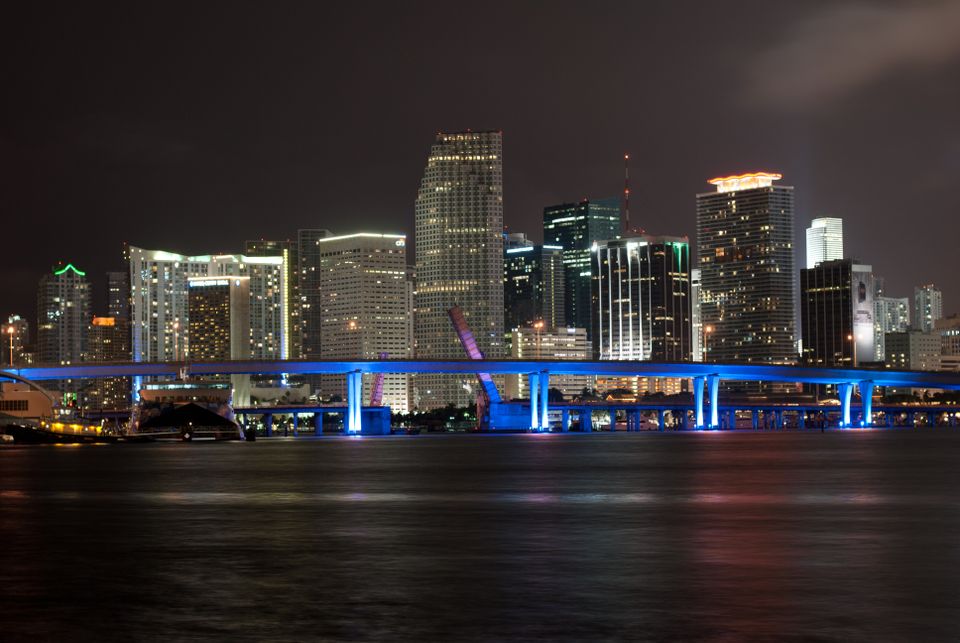
Miami has a reputation for being expensive, and it can be — but the single best thing about it, the beach, is completely free, and so are many of its highlights. With the right choices you can do a genuinely good Miami weekend for a modest budget: free sand, cheap and superb Cuban food, free art districts and free sunsets, spending money only where it is actually worth it.
This guide lays out a realistic budget weekend: where the free beaches are, how to avoid the parking and lounger traps, where to eat cheaply and well, and which paid things are worth it and which are not.
- Every Miami beach is free public sand — you only pay for loungers you do not need, and for parking.
- Skip car parking pain with the free Miami Beach Trolley and cheap transit.
- Little Havana and local taquerías/cafeterías serve superb Cuban food for a few dollars.
- Wynwood's street art, the art-deco district and every sunset are free.
- The biggest avoidable costs are beach-club loungers, valet parking and Ocean Drive tourist restaurants.
- Stay slightly inland or in Fort Lauderdale/Hollywood to cut room rates and day-trip in.
Quick answer: can you do Miami cheaply?
Yes — because the core of Miami is free. The beach is free public sand; you only pay if you rent a hotel lounger, which you do not need with a towel. The art-deco district is a free walk, Wynwood's murals are free to view from the street, Little Havana costs nothing to wander, and every sunset is free. The expensive Miami — beach clubs, valet, Ocean Drive tourist menus, nightlife — is entirely optional. Spend on a couple of things that matter and the rest of the weekend can cost very little.
So the budget strategy is not about missing out; it is about skipping the tourist traps that are not even the best parts of the city.
The free part: beaches and how to keep them free
All of Miami Beach is free public sand. Bring a towel and lay it anywhere; the rows of loungers belong to hotels and are the trap. The only real cost at the beach is parking, and the fix is the free Miami Beach Trolley or cheap rideshare rather than an expensive garage or valet. For the calmest free-ish swimming, Key Biscayne's Crandon and Bill Baggs charge only a small park entry fee and are far better for actually swimming than the crowded strip.
Pack your own water, snacks and shade, and a beach day in Miami costs essentially nothing beyond getting there — the most expensive-seeming city in Florida hands you its best asset for free.
- Bring a towel — the free public sand is all you need; skip the paid loungers.
- Use the free Miami Beach Trolley or rideshare instead of pricey parking/valet.
- Key Biscayne (Crandon, Bill Baggs) is a small park fee for a much better swim.
Cheap and superb: eating in Miami
Miami's best-value food is its Latin food, and it is genuinely excellent. Little Havana along Calle Ocho (SW 8th Street) is full of Cuban cafeterías where a café cubano costs a couple of dollars and a Cuban sandwich or a plate of ropa vieja is cheap and filling. Beyond Little Havana, neighbourhood taquerías, Colombian and Venezuelan spots, and ventanita (walk-up window) counters across the city serve big, cheap, delicious meals.
The trap to avoid is the tourist-facing restaurants on Ocean Drive, where you pay premium prices for average food and an automatic service charge. Walk two blocks inland, or into a Latin neighbourhood, and you eat better for a fraction of the cost. In Miami, cheap and authentic are the same direction.
Free culture: Wynwood, deco and the sunset
Miami's cultural highlights are largely free. Wynwood's streets are an open-air gallery of murals you can walk for nothing (the Wynwood Walls charge an entry fee, but the surrounding blocks do not). The art-deco district along Ocean Drive is a free architectural walk, best at dusk when the neon comes on. The downtown skyline from the Rickenbacker Causeway, Little Havana's Domino Park, and every over-the-water sunset cost nothing.
So a full day of 'sightseeing' — street art, architecture, a Latin neighbourhood, a skyline and a sunset — can be entirely free, which is the opposite of Miami's reputation. Spend your money on food and one experience, not on entry fees you do not need.
Where to sleep to cut costs
Accommodation is where Miami gets genuinely expensive, and the budget move is location. Rooms right on Ocean Drive command a premium; staying slightly inland, in a mainland neighbourhood, or in a hostel cuts the rate sharply. The bigger saving is to base in Fort Lauderdale or Hollywood Beach, about 40 minutes north, where rooms are noticeably cheaper and the beaches are just as good, then day-trip into Miami for the specific things you want.
That Fort Lauderdale/Hollywood base is the single biggest budget lever: same warm Atlantic water, much lower room rates, and Miami a short drive away for the nights you want its scene.
A sample budget weekend, hour by hour
To make it concrete, here is a realistic under-$400 weekend for two (excluding flights). Friday evening: arrive, settle in a Fort Lauderdale or mainland-Miami base, and eat a cheap Cuban dinner in a neighbourhood spot (around $20–30 for two). Saturday: a free beach morning on the sand with your own towel and water, a $10-ish trip on the free trolley plus rideshare, a Little Havana lunch (about $15–20), a free Wynwood mural walk in the afternoon, and a free sunset. Sunday: Key Biscayne's calm water for a small park fee (around $8 per car), a ventanita lunch, and a final free beach hour before leaving.
The big line items are the two nights of accommodation — the single largest cost, which is why the inland or Fort Lauderdale base matters — and food, kept low by eating Latin and neighbourhood rather than tourist-strip. Transport, beaches, art and sunsets stay near-free. The weekend's total lives or dies on where you sleep and where you eat, not on skipping experiences.
What is actually worth paying for
A budget trip is not a no-spend trip — it is spending on the right things. Worth it: a great cheap Cuban meal, a small park fee for Key Biscayne's calm water, maybe one boat trip or the Wynwood Walls if art matters to you. Not worth it: beach-club loungers, valet parking, Ocean Drive tourist restaurants, and overpriced club cover charges. The rule is to pay for experiences and food, not for convenience and status you do not need.
Get that split right and a Miami weekend delivers its best — beaches, food, art, sunsets — for a modest budget, proving the 'Miami is unaffordable' reputation is really just about avoiding a handful of tourist traps.
Before you go
- Bring a towel and use the free public sand — never rent a lounger.
- Take the free Miami Beach Trolley or rideshare instead of paid parking.
- Eat in Little Havana and at neighbourhood Latin spots, not Ocean Drive.
- Walk Wynwood's free mural streets and the art-deco strip at dusk.
- Base in Fort Lauderdale/Hollywood (40 min north) for cheaper rooms.
- Pay only for a good meal, a small park fee, and maybe one experience.
- Pack your own water, snacks and shade for beach days.
FAQ
Are Miami beaches free?
Yes — all of Miami Beach is free public sand. You only pay if you rent a hotel lounger (unnecessary with a towel) or for parking, which you can avoid with the free Miami Beach Trolley.
How do you do Miami on a budget?
Use the free beaches and free trolley, eat cheap Cuban food in Little Havana, enjoy the free art districts and sunsets, and stay inland or in Fort Lauderdale/Hollywood to cut room rates. Skip beach clubs, valet and Ocean Drive tourist restaurants.
Where is the cheapest good food in Miami?
Little Havana along Calle Ocho and neighbourhood Latin spots across the city — café cubano for a couple of dollars, cheap Cuban sandwiches and hearty plates. Avoid the tourist restaurants on Ocean Drive.
What free things are there to do in Miami?
Walk Wynwood's mural streets, the art-deco district at dusk, Little Havana and Domino Park; watch the downtown skyline from the Rickenbacker Causeway; and catch any sunset. All free.
Where should I stay in Miami on a budget?
Slightly inland, in a mainland neighbourhood or hostel, or — the biggest saving — in Fort Lauderdale or Hollywood Beach about 40 minutes north, where rooms are cheaper and the beaches are just as good.
What should I avoid paying for in Miami?
Beach-club loungers, valet parking, Ocean Drive tourist restaurants and club cover charges. These are the avoidable costs that give Miami its expensive reputation.
Use BeachFinder to check today's spot.
Use your location, search any city worldwide or explore the map to compare the 20 most relevant beaches and swimming spots around you.
Download BeachFinder
Find beach conditions, sea temperature, wind, UV, water quality, and nearby swimming spots before you go.
Things to do around Miami
A few bookable activities near Miami after checking conditions for Miami.
Hotels and rentals near Miami
Compare accommodation around this beach after checking current swimming conditions and local access. Prices and availability come from the accommodation partner.