Every Miami-area beach, compared by what actually matters: calm, crowds and access
Not all Miami beaches are equal. We compare the main Miami-area beaches by the things that decide your day — calm water, crowd levels, parking and amenities — so you can pick the right one.

Miami has many beaches, and they are genuinely different — some are calm and family-friendly, some are scene-and-nightlife, some are quiet nature preserves. Choosing by the factors that actually decide your day (how calm the water is, how crowded it gets, how easy parking is, what amenities exist) matters far more than a generic 'best beach' list. The right Miami beach depends entirely on what you want from the day.
This guide compares the main Miami-area beaches across those practical dimensions, drawn from our database of conditions and amenities, so you can match a beach to your priorities rather than guess.
- Miami-area beaches split into three types: scene (South Beach), calm-family (Key Biscayne, mid-Beach), and quiet-nature (Bill Baggs, Haulover, Virginia Key).
- For the calmest swimming, Key Biscayne (Crandon, Bill Baggs) beats the open-Atlantic strip.
- South Beach has the scene and deco but the biggest crowds and hardest parking.
- Key Biscayne charges a small park fee but delivers calm water and easier space.
- Haulover is known for its quieter (and partly clothing-optional) stretches north of the city.
- Match the beach to your priority — calm, scene, quiet or amenities — not a single ranking.
Quick answer: which Miami beach should you choose?
It depends on your priority. For the classic scene, deco backdrop and people-watching, South Beach — but expect the biggest crowds and the hardest, priciest parking. For the calmest swimming and a family day, Key Biscayne (Crandon Park and Bill Baggs Cape Florida State Park), which trade a small park fee for noticeably calmer water and easier space. For quiet and nature, the barrier-island and preserve beaches (Bill Baggs, Virginia Key, Haulover's quieter stretches) north and south of the strip. There is no single 'best' Miami beach — there is a best one for calm, for scene, for quiet, and for amenities.
So the useful question is not 'which is best' but 'best for what.' Decide your priority — scene, calm, quiet or convenience — and the right Miami beach follows directly.
Best for the scene: South Beach
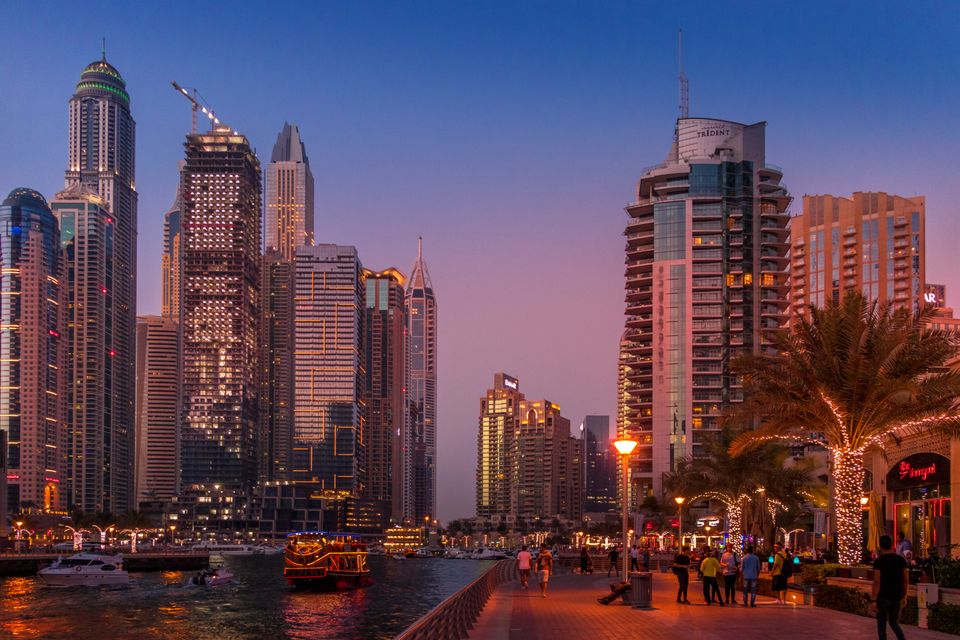
South Beach (roughly 1st to 23rd Streets) is the icon: wide sand, the pastel art-deco strip behind it, lifeguard towers, and the highest energy of any Miami beach. It is the place for people-watching, the deco backdrop, and proximity to Ocean Drive's bars and restaurants. The trade-offs are real: it is the most crowded Miami beach, parking is the hardest and most expensive in the city, and the open-Atlantic water can have more chop and rip risk than the sheltered options. Great for the scene, less so for a calm swim or a quiet day.
Choose South Beach when the vibe, the architecture and the location are the point. Use the free trolley or rideshare rather than fighting for parking, and treat it as a scene-and-swim beach, not a tranquil one.
- Best for: scene, deco backdrop, people-watching, nightlife proximity.
- Trade-offs: biggest crowds, hardest/priciest parking, more open-Atlantic chop.
- Tip: skip the car — use the free Miami Beach Trolley or rideshare.
Best for calm swimming: Key Biscayne
For the calmest, most swimmable water near Miami, Key Biscayne wins. Crandon Park and Bill Baggs Cape Florida State Park sit on a barrier island south of the city, partly sheltered, with notably calmer, shallower water than the open South Beach strip — ideal for families and easy swimming. Both charge a modest park entry fee (per vehicle), which also buys easier parking, cleaner facilities and a more relaxed atmosphere. Bill Baggs adds a historic lighthouse and a more natural, wooded setting.
Key Biscayne is the answer when swimming and calm are the priority over scene. The small fee and the slightly longer drive (past downtown, across the Rickenbacker Causeway) are well worth it for the gentler water and the space.
Best for quiet and nature: the preserves and barrier beaches
For quiet, look to the nature-preserve and barrier-island beaches. Bill Baggs (Key Biscayne) has a wild, wooded, lighthouse end; Virginia Key Beach is a historic, low-key stretch near Key Biscayne; and Haulover Park, north of Miami Beach, has quieter sand (including a well-known clothing-optional section) and is a local favourite away from the South Beach crowds. Further north, Sunny Isles and the beaches toward Hollywood get progressively calmer and less touristy. These are the choices for a peaceful day within reach of the city.
The pattern: the further you get from the South Beach core — south to Key Biscayne, north to Haulover and beyond — the quieter and more natural the beaches become. For tranquillity over scene, aim for the edges, not the centre.
The comparison, by priority
Pulled together, the Miami-area comparison is straightforward. Scene and deco: South Beach (crowded, hard parking). Calm swimming and family: Key Biscayne — Crandon and Bill Baggs (small fee, calmer water). Quiet and nature: Bill Baggs, Virginia Key, Haulover (peaceful, local). Amenities and easy parking: the fee-charging parks (Crandon, Bill Baggs) generally beat the free-but-chaotic South Beach lots. Best value calm: Key Biscayne's parks. Each beach optimises for something different, and the small park fees consistently buy calmer water and easier logistics.
So the decision reduces to one question answered honestly: is today about the scene, a calm swim, quiet, or easy logistics? Pick that, and the comparison points you straight to the right Miami beach.
Checking conditions before you go
Whichever you choose, conditions vary by day, so check before you commit. Wind and swell change how calm each beach is (the open South Beach strip is most affected; sheltered Key Biscayne least); the beach flags signal daily hazard levels; and sea temperature, while warm most of the year in Miami, dips in winter. A quick look at live conditions turns the general comparison above into the right choice for the specific day you are going.
Our database tracks conditions and amenities across these and thousands of other spots, so you can compare not just in the abstract but for today — calm or choppy, crowded or clear, warm or cool. That is how you reliably pick the right Miami beach on any given morning.
Before you go
- Decide your priority first: scene, calm swim, quiet, or easy logistics.
- Scene and deco: South Beach (but skip the car; use the trolley).
- Calm swimming and family: Key Biscayne — Crandon or Bill Baggs (small fee).
- Quiet and nature: Bill Baggs, Virginia Key, or Haulover.
- Expect the fee-charging parks to have easier parking and calmer water.
- Check the beach flags and live conditions for the specific day.
- Head to the edges (south or north) for fewer crowds than the South Beach core.
FAQ
Which is the best beach in Miami?
There is no single best — it depends on your priority. South Beach for the scene and deco, Key Biscayne (Crandon, Bill Baggs) for the calmest swimming and easy parking, and Haulover or the preserves for quiet. Match the beach to what you want from the day.
Where is the calmest water in Miami?
Key Biscayne — Crandon Park and Bill Baggs Cape Florida State Park — on a partly sheltered barrier island south of the city, with calmer, shallower water than the open South Beach strip. Both charge a small park fee.
Is South Beach worth it or too crowded?
It is worth it for the scene, deco backdrop and location, but it is the most crowded Miami beach with the hardest, priciest parking and more open-Atlantic chop. Great for the vibe; choose Key Biscayne instead for a calm swim.
Where are the quietest beaches near Miami?
The preserve and barrier-island beaches: Bill Baggs' wild end on Key Biscayne, Virginia Key, and Haulover Park north of Miami Beach (which includes a clothing-optional section). Generally, the further from the South Beach core, the quieter.
Do Miami beaches charge for parking or entry?
South Beach has paid public lots and garages (often expensive and full). The Key Biscayne parks (Crandon, Bill Baggs) charge a modest per-vehicle entry fee that also buys easier parking and better facilities. The free trolley serves Miami Beach.
Which Miami beach is best for families?
Key Biscayne's Crandon Park and Bill Baggs, for their calm, shallow, sheltered water, easy parking and relaxed atmosphere. Mid-Beach (north of the South Beach scene) is also calmer than the busy South Beach core.
Use BeachFinder to check today's spot.
Use your location, search any city worldwide or explore the map to compare the 20 most relevant beaches and swimming spots around you.
Download BeachFinder
Find beach conditions, sea temperature, wind, UV, water quality, and nearby swimming spots before you go.
Things to do around Miami
A few bookable activities near Miami after checking conditions for Miami.
Hotels and rentals near Miami
Compare accommodation around this beach after checking current swimming conditions and local access. Prices and availability come from the accommodation partner.