Swell, wind waves and chop: reading a sea-state forecast without a surf degree
Sea-state forecasts look cryptic, but the basics are simple. Here's how to read swell, wind waves, period and chop as a beginner — so you can judge whether the sea will be calm, choppy or dangerous.

A sea-state or marine forecast looks intimidating — swell height, swell period, wind waves, direction, chop — but the basics are genuinely simple, and understanding them lets you judge whether the sea will be calm and swimmable, choppy and rough, or potentially dangerous, before you go. You don't need a surfing or sailing background; a few key concepts (swell vs wind waves, wave height, period, and how wind drives it all) are enough to read a forecast usefully as a beachgoer.
This guide explains how to read a sea-state forecast as a beginner — swell, wind waves, height, period and chop — so you can anticipate the conditions and stay safe and comfortable.
- Swell is smooth, long-distance waves from distant weather; wind waves (chop) are local, wind-driven and messy.
- Wave height tells you the size; wave period (seconds between waves) tells you the type and power.
- Long-period swell is powerful and organised; short-period wind chop is messy and rough.
- Wind is the driver — strong onshore or local wind means choppy, rougher water.
- For calm swimming, look for low wave height, light wind and short/low swell.
- High waves, long powerful swell, or strong wind signal rough or dangerous conditions.
Quick answer: how do you read a sea-state forecast?
Focus on a few things: wave height (how big — lower is calmer), the difference between swell (smooth, long-distance waves) and wind waves/chop (local, wind-driven, messy), wave period (seconds between waves — longer means more organised and powerful swell, shorter means messy chop), and the wind (the driver — strong or onshore wind means rougher, choppier water). For a calm swim, you want low wave height, light wind, and low/short swell; for rough or dangerous conditions, watch for high waves, long powerful swell, or strong winds. You don't need every number — height and wind alone tell you a lot, and adding swell type and period sharpens the picture.
So reading a marine forecast as a beachgoer comes down to: how big are the waves (height), what kind are they (swell vs chop, via period), and what's the wind doing. Those basics let you judge calm-vs-rough without any specialist background.
Swell vs wind waves: the key distinction
The most useful concept is the difference between swell and wind waves. Swell is the smooth, regular, long-distance waves generated by distant weather systems (storms far out at sea) that have travelled a long way, organising into clean, evenly-spaced lines — this is what surfers want. Wind waves (or chop) are the messy, short, irregular waves generated by local wind right where you are; they make the sea choppy and uncomfortable. A forecast often separates these. In simple terms: swell = organised waves from afar (can be powerful but clean); wind waves/chop = messy local wind waves (rough surface, uncomfortable swimming). Knowing which dominates tells you whether the sea will be clean-but-possibly-big (swell) or just choppy (wind waves).
So the swell-vs-wind-wave distinction is the heart of reading the sea: swell is clean and organised (from distant weather), chop is messy and local (from nearby wind). A forecast showing big swell means powerful organised waves; one showing strong wind waves means a choppy, rough surface.
- Swell: smooth, long-distance, organised waves from distant weather (clean, can be powerful).
- Wind waves/chop: messy, short, local waves from nearby wind (rough, uncomfortable).
- Which dominates tells you clean-but-big (swell) vs just choppy (wind waves).
Height and period: size and power
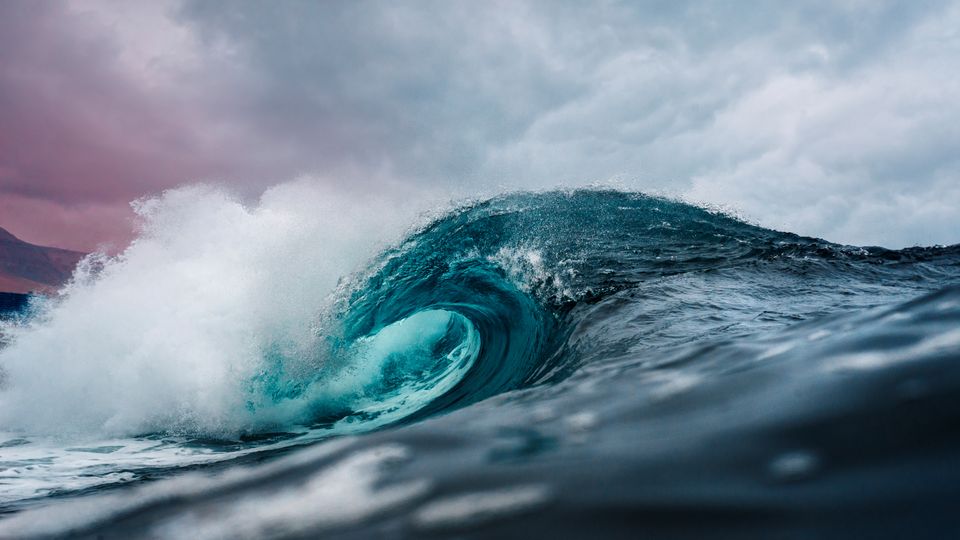
Two numbers describe the waves: height and period. Wave height (in metres or feet) is the obvious one — bigger means rougher and more powerful; for calm swimming you want low height (well under a metre for gentle conditions). Wave period (in seconds) is less obvious but important: it's the time between successive waves, and it tells you the type and power. Long periods (say 10+ seconds) indicate organised, powerful ground swell (each wave carries a lot of energy, even at moderate height); short periods (a few seconds) indicate messy, weak, local wind chop. So a moderate-height, long-period swell can be surprisingly powerful, while short-period chop of the same height is just choppy and weak.
So read height for size and period for type and power: low height and short period = small and choppy (weak); higher height and long period = organised and powerful (strong). Combining the two tells you not just how big the waves are but how much punch they carry — key for judging safety.
Wind: the driver of it all
Wind is the master variable, driving both the waves and the day's conditions. Strong local wind creates wind waves and chop, roughening the sea; onshore wind (blowing from sea to land) pushes waves and chop onto the beach, making it messier and can worsen currents; offshore wind (land to sea) tends to smooth and hold up waves (cleaner for surfing, and calmer near shore). Light winds generally mean calmer, glassier water. So the wind forecast (speed and direction) is often the single best predictor of whether a beach will be calm or choppy on the day — strong or onshore winds mean rougher water, light or offshore winds mean calmer.
So check the wind first: it drives the chop and shapes the whole sea state. Light winds promise calm, glassy water; strong or onshore winds warn of chop and roughness. For a beachgoer, wind speed and direction are the most practical single indicator in the whole forecast.
Judging calm, rough and dangerous
Putting it together for safety: calm, swimmable conditions show as low wave height (well under a metre), light winds, and low/short swell — a gentle, glassy or lightly-rippled sea. Choppy, uncomfortable-but-usually-safe conditions show as moderate wind waves from local wind. Rough or potentially dangerous conditions show as high waves, strong winds, and/or long-period powerful swell — big, powerful surf, strong shorebreak, and heightened rip-current risk. Always combine the forecast with on-the-day observation and beach flags/warnings, and remember that even moderate-looking seas can carry dangerous rip currents. When the forecast shows big or powerful waves and strong winds, treat the water with caution or stay out.
So translate the numbers into safety: low-and-light = calm; moderate wind waves = choppy; high/powerful/windy = rough or dangerous. Cross-check with flags and your own eyes, respect rip-current risk regardless, and let a rough forecast steer you to caution or a calmer day.
Using forecasts safely
To use sea-state forecasts well: check a marine or beach forecast (many weather and surf apps show wave height, period, swell and wind) before you go, focusing on height and wind as the headline indicators; interpret long-period swell as powerful even at moderate height; treat strong or onshore winds as a chop-and-caution signal; and always combine the forecast with on-the-beach reality — the flags, the lifeguards' advice, and what the sea actually looks like. Forecasts are guides, not guarantees, and conditions can differ locally or change. For swimming safety, when the forecast or the beach shows big, powerful or windy conditions, choose a calmer day or stay in shallow, guarded water.
So sea-state forecasts, read with these basics, are a genuinely useful safety and planning tool for beachgoers — no expertise required. Check height and wind first, add swell and period for depth, cross-check with the beach and flags, and let the conditions guide a safe, comfortable choice.
Before you go
- Check wave height first — lower means calmer.
- Distinguish swell (clean, from afar) from wind waves/chop (messy, local).
- Read wave period: long (10s+) = powerful swell; short = weak chop.
- Treat wind as the driver — strong or onshore means rougher water.
- For a calm swim, look for low height, light wind and low/short swell.
- Treat high waves, long powerful swell or strong wind as rough/dangerous.
- Cross-check the forecast with beach flags, lifeguards and your own eyes.
FAQ
How do you read a sea-state forecast?
Focus on wave height (size — lower is calmer), the difference between swell (clean, long-distance) and wind waves/chop (messy, local), wave period (long = powerful swell, short = weak chop), and the wind (the driver). Height and wind alone tell you a lot about calm vs rough.
What's the difference between swell and wind waves?
Swell is smooth, regular, long-distance waves from distant weather systems — clean and can be powerful. Wind waves (chop) are messy, short, irregular waves from local wind — rough and uncomfortable. Which dominates tells you if the sea is clean-but-big or just choppy.
What does wave period mean?
The time in seconds between successive waves. Long periods (10+ seconds) mean organised, powerful ground swell that carries a lot of energy even at moderate height; short periods (a few seconds) mean messy, weak, local wind chop. Period tells you the waves' type and power.
How do I know if the sea will be calm for swimming?
Look for low wave height (well under a metre), light winds, and low or short-period swell — a gentle, glassy or lightly-rippled sea. Strong or onshore winds, high waves, or long powerful swell signal choppier, rougher or dangerous conditions.
Why does wind matter so much for sea conditions?
Wind drives the waves and chop — strong local wind roughens the sea, onshore wind pushes waves and chop onto the beach and can worsen currents, while light or offshore winds mean calmer, cleaner water. Wind speed and direction are often the best single predictor of calm vs choppy.
Can a small wave still be dangerous?
Yes — a moderate-height but long-period swell is powerful, dumping shorebreak and driving rip currents, and even calm-looking seas can have dangerous rips. Always combine the forecast with beach flags, lifeguard advice and your own observation, and respect rip-current risk.
Use BeachFinder to check today's spot.
Use your location, search any city worldwide or explore the map to compare the 20 most relevant beaches and swimming spots around you.
Download BeachFinder
Find beach conditions, sea temperature, wind, UV, water quality, and nearby swimming spots before you go.