
Arah angin dan pilihan pantai: angin lepas pantai, angin darat, angin samping
Mengapa angin lepas pantai vs angin darat vs angin samping mengubah pantai mana yang tepat hari ini. Pantai yang tepat untuk berenang, berselancar, dan berperahu sering kali bukan pantai yang sama.
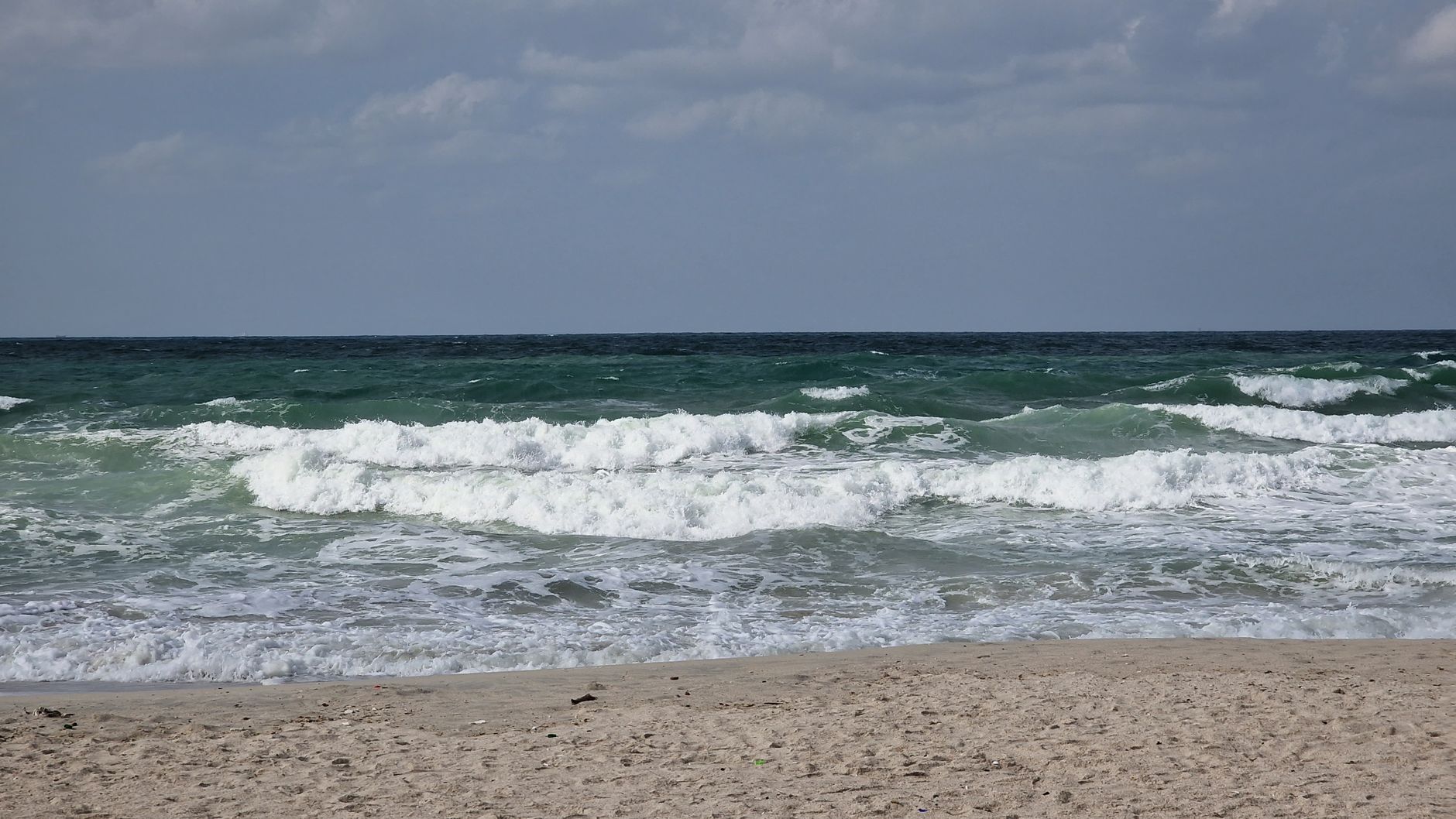
Sebagian besar aplikasi pantai memberi tahu Anda apakah angin kuat atau lemah. Itu adalah setengah dari jawabannya. Setengah lainnya adalah arah. Dua pantai dapat menunjukkan pembacaan yang sama 20 km/jam dan terasa sangat berbeda: satu tenang dan terlindung, yang lainnya bergelombang dan tidak nyaman. Perbedaannya adalah apakah angin bertiup dari laut, dari darat, atau sepanjang pantai.
Panduan ini adalah versi praktis dari perbedaan tersebut. Ini menjelaskan mengapa angin lepas pantai, angin darat, dan angin samping mengubah pantai yang tepat untuk hari itu, mengapa pantai yang tepat untuk berenang sering kali bukan pantai yang tepat untuk berselancar, dan bagaimana menggunakan sudut angin BeachFinder di samping data gelombang dan arus daripada hanya mengandalkan kecepatan saja.
- Angin darat bertiup dari laut ke darat: air bergelombang, mudah untuk berperahu, lebih sulit untuk berenang, mengalir ke arah pantai.
- Angin lepas pantai bertiup dari darat ke laut: gelombang bersih untuk peselancar, arus berbahaya bagi perenang dan pelampung.
- Angin samping berjalan sejajar dengan pantai: mengalir sepanjang pantai, berbahaya bagi anak-anak dan perenang lemah.
- Pilih pantai yang orientasinya membuat angin bermanfaat, bukan yang terdekat.
The three wind angles you actually need
NOAA's marine forecasts and most national weather services describe wind as a direction (where it blows from) and a speed. For beach planning, three categories matter: onshore, offshore and side-shore. The same wind direction is offshore at one beach and onshore at the beach across the headland.
An onshore wind blows from the sea toward the land. An offshore wind blows from the land toward the sea. A side-shore wind runs roughly parallel to the beach. The category depends on the orientation of that specific shore, not the compass direction in isolation. That is why a north wind is offshore for the Cote d'Azur but onshore for Brittany.
- Onshore: pushes water and waves into the beach.
- Offshore: holds waves up before they break, but pushes objects offshore.
- Side-shore: drift along the beach, often the most underestimated.
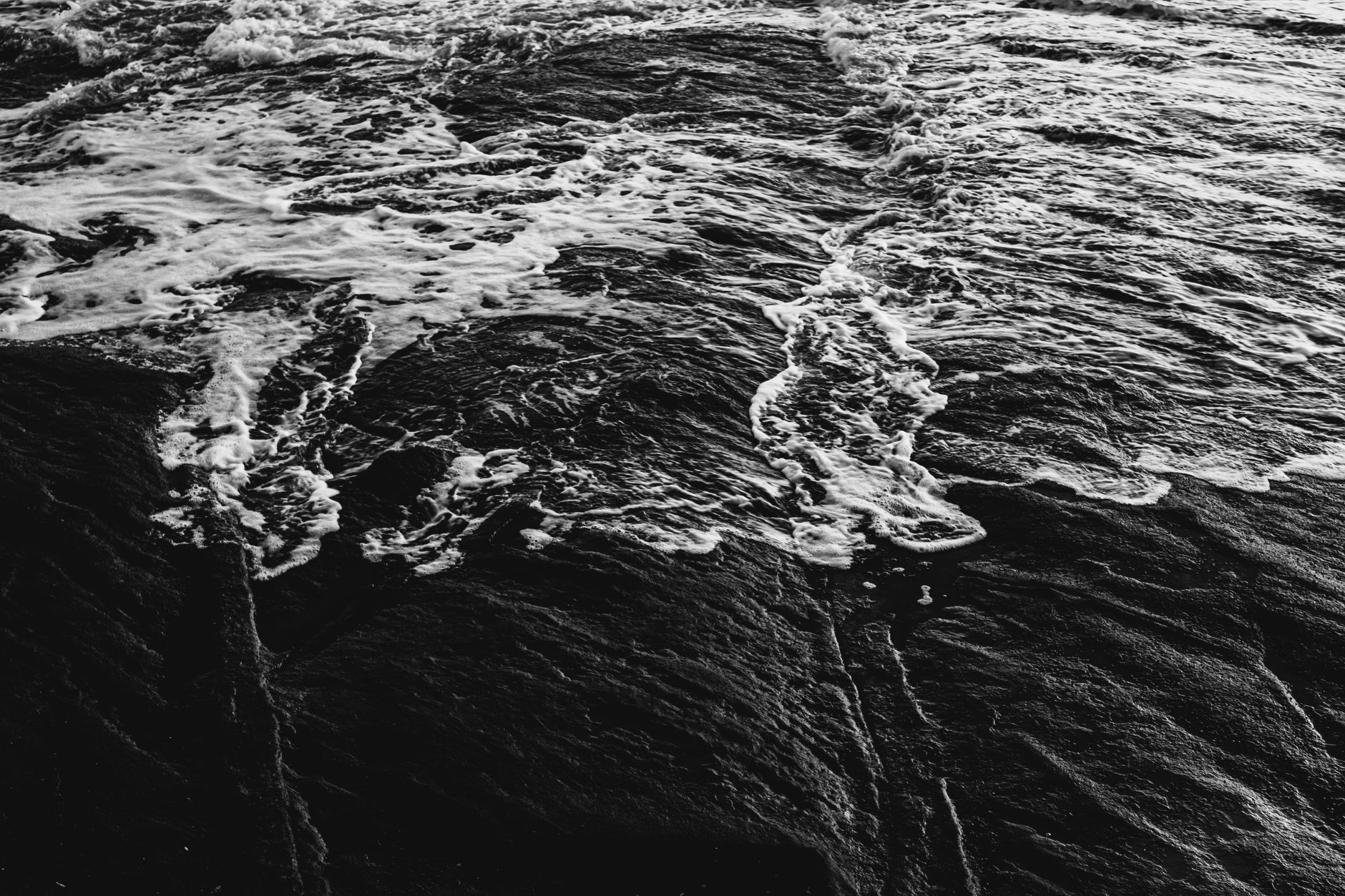
Onshore: easier swim entry, messier wave
Onshore wind is the most common condition on exposed coasts. It pushes the surface chop, breaks waves earlier and adds whitewater near the shore. Swimmers usually find it less risky than offshore wind because the drift goes toward the beach. If a swimmer tires, the wind helps them back.
The downside is comfort and visibility. The water surface gets noisy. Spray and salt mist increase. Surfers usually call onshore wind dirty because it disorganizes the wave faces. For paddleboards and inflatables, onshore wind is generally the safer choice as long as the speed stays moderate.
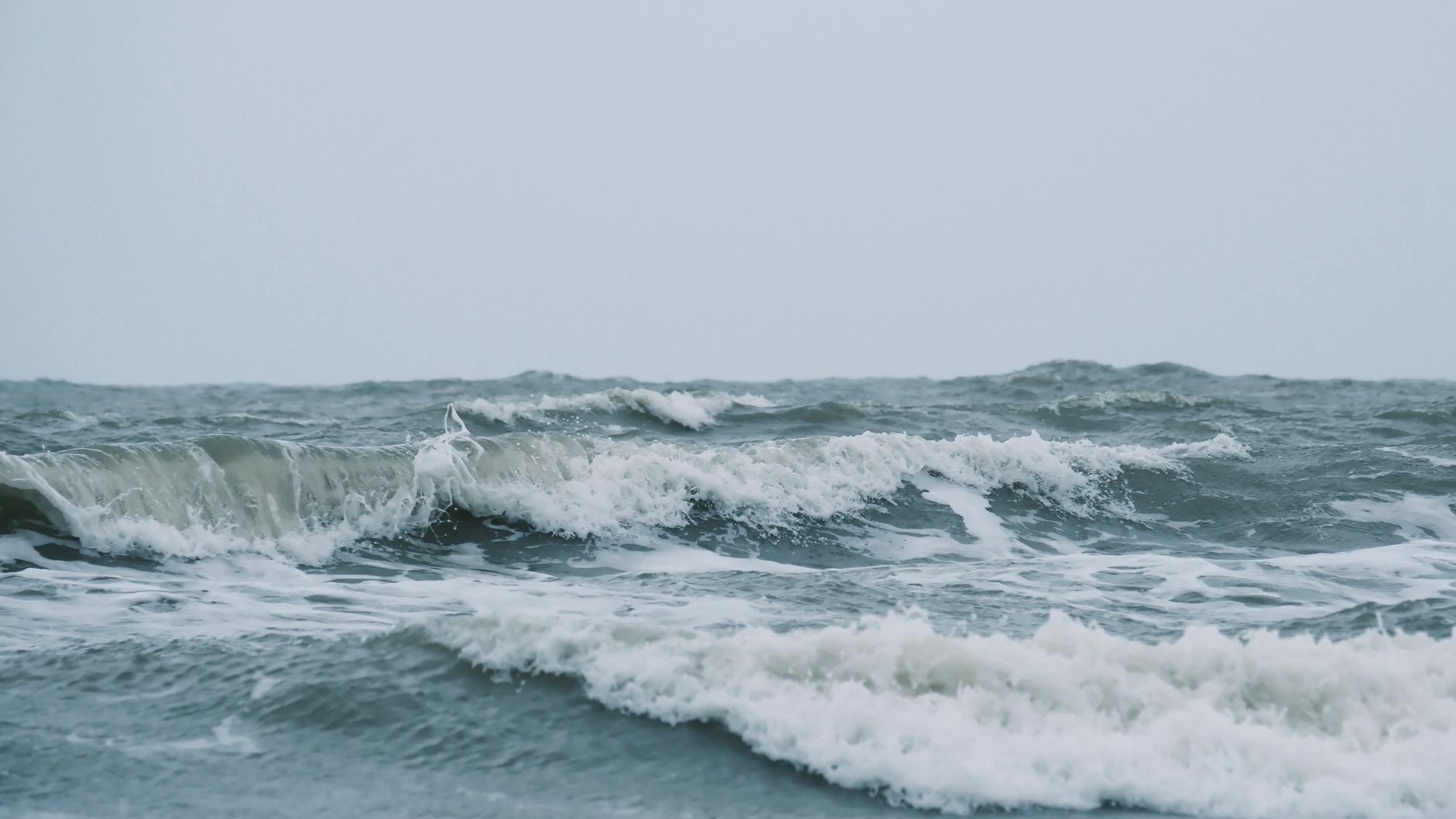
Offshore: clean wave, dangerous drift
Offshore wind is what surfers chase. It blows from the land and holds wave faces upright, producing the cleanest visual surf on a coast. Photographs of perfect waves are almost always offshore-wind shots. For surfing, an offshore is often the magic ingredient that turns a small swell into a quality session.
For everyone else, offshore is the riskiest direction. Inflatables, paddleboards, kayaks and weak swimmers can be pushed quickly out to sea. The water often looks deceptively calm near the shore because the wind is not stacking waves on the beach, but it is moving the surface offshore at the same speed as the wind. Lifeguard agencies such as the RNLI and US National Weather Service repeatedly flag this risk after rescues.
- Surfers: offshore is the clean wind, but check that wave size still fits your level.
- Swimmers: prefer side-shore or light onshore over a strong offshore.
- Inflatables and SUPs: skip strong offshore conditions entirely.
Side-shore: the underrated trap
Side-shore wind runs along the beach. It does not push you toward the coast or out to sea, so it feels neutral. The trap is that it pushes you sideways. A swimmer who entered in front of the umbrella can drift hundreds of meters down the beach without feeling it. Children and inflatables drift fastest, often without their parents noticing.
Side-shore is also the hardest for casual photo identification of the wind problem. The waves often look small and tidy. The actual hazard is horizontal drift, which interacts with rip channels, piers, jetties and river mouths. If you see swimmers steadily moving down the beach without paddling, side-shore drift is happening.
Pick the beach whose orientation matches
The smartest move on a windy day is to drive 15 to 30 minutes to a beach with a different orientation. A north wind that hammers an east-facing beach can be perfect at a south-facing one. The Cote d'Azur, Sardinia, Greek islands and Brittany all have neighboring beaches with completely different exposure. BeachFinder shows wind angle on the spot page so you can compare two or three options before leaving.
For surfers, the rule is reversed. A protected beach in a strong onshore wind is often surfless and sheltered. The exposed neighbor with the offshore wind is the one to drive to. Either way, the wind angle is the lever, not just the speed.
- Swimmers: pick the protected beach where the wind is offshore from the land but blocked by terrain.
- Surfers: pick the exposed beach where the wind is offshore at the wave you want.
- Families with inflatables: prefer side-shore or light onshore, never strong offshore.
Live signals to combine with wind angle
Wind angle is one input. The other inputs are wave height, wave period, sea temperature, water quality, sun exposure and amenities. A protected beach with a calm onshore breeze can still feel cold if the sea temperature is low and the bay is deep. An exposed surf beach can be unsafe even with perfect offshore wind if the swell period is long and the rip channels are active.
Use BeachFinder to compare the photo, map, weather, UV, water temperature, wind, waves, currents, water quality where available, amenities, stays and activities before committing to the trip.
Sebelum berangkat
- Read both wind speed and direction on the spot page, not just the number.
- Identify whether the angle is onshore, offshore or side-shore for that specific shore.
- If you have inflatables or weak swimmers, avoid strong offshore wind.
- If you are surfing, pick the beach where the wind is offshore at the wave.
- Always have a sheltered backup beach in a different orientation.
FAQ
Is offshore wind always dangerous for swimmers?
It is dangerous specifically because it pushes you offshore, which is the wrong direction if you tire. A light offshore on a calm sheltered beach is manageable, but a strong offshore on an open coast with inflatables is one of the most common rescue scenarios cited by the RNLI and US lifeguard associations.
Why does the same wind feel calm on one beach and rough on another?
Because each beach has a different orientation. A 25 km/h north wind is offshore at a south-facing beach (calm-looking water near shore) and onshore at a north-facing beach (whitecaps and choppy entry). The wind speed is identical but the experience is opposite.
How do I know if the wind is side-shore?
Look at the angle between the wind arrow and the beach line. If it is roughly parallel to the shore, it is side-shore. The signal that matches it is steady drift along the beach: foam, surfers and swimmers move sideways without effort.
Gunakan BeachFinder untuk mengecek spot hari ini.
Gunakan lokasi, cari kota mana pun di dunia, atau jelajahi peta untuk membandingkan 20 spot berenang paling relevan di sekitarmu.
These beach pages connect the guide advice with real spot details: sea temperature, wind, UV index, waves, access and photos when available.
Praia de Quarteira
PT
Playa de la Mata Negra
PT
Praia do Carvalho
PT
Plage Rive Gauche
FR
Plage de la Dalle
FR
Windansea Beach
US
Plage de Saint-Jean
FR
Grande Blue Beach
TR
Praia dos Alemães
PT
Praia da Barra
PT
Plage du Lividic
FR
Lagoa de Albufeira
PT
Plage de Notre-Dame
FR
David
FR
Plage du Moulin Brûlé
FR