부두, 바위 및 방파제 근처의 해류: 어떻게 식별할까요?
고정된 구조물이 일반적으로 잔잔한 해변에서 역류 해류, 여과 채널 및 후퇴 흐름을 어떻게 생성하는지, 그리고 육지에서 이러한 현상을 어떻게 식별할 수 있을까요?
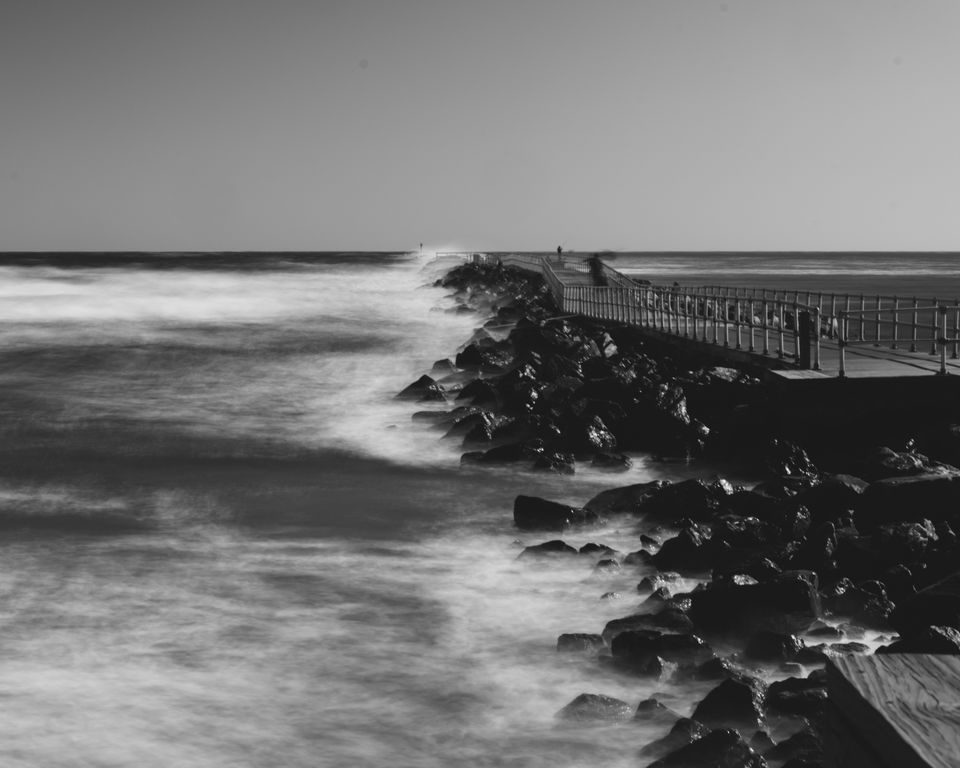
대부분의 역류 해류 안전 교육은 모래톱이 있는 열린 해변에 초점을 맞추지만, 실제 구조 활동 중 상당수는 부두, 방파제, 파제, 암초 또는 항구 벽과 같은 고정된 구조물 근처에서 발생합니다. NOAA(미국 해양대기청), 미국 생명 구조 협회 및 여러 유럽 해상 안전 기관은 이러한 사실을 강조하며, 그 이유는 구조물 자체가 예측 가능하고 반복적인 방식으로 물의 흐름을 조직하기 때문입니다.
이 안내서에서는 해당 해류가 형성되는 이유와 수영하기 전에 육지에서 무엇을 확인해야 하는지, 그리고 동일한 해변의 한 구역은 구조물로부터 100미터 떨어진 곳에서는 완전히 안전하지만 바로 옆에서는 위험할 수 있는 이유를 설명합니다. 부두와 바위 근처에서 수영하는 것을 막으려는 것이 아니라, 눈에 보이는 차이점을 명확하게 하여 올바른 구역에서 수영을 즐길 수 있도록 하는 것입니다.
- 부두, 방파제 및 파제는 물의 흐름을 구조물 길이를 따라 유도하고 한쪽 또는 양쪽 끝에서 지속적인 역류 해류를 생성합니다.
- 바위와 암초는 파도의 힘에 의해 발생하는 흐름을 옆으로 돌려 바위 근처의 좁은 여과 채널로 유도합니다.
- 구조물 근처의 해류는 종종 육지에서 볼 수 있습니다. 물이 더 어둡게 보이고, 거품이 줄어들고, 옆으로 흐르는 것을 확인할 수 있습니다.
- 파도가 부서질 때에는 고정된 구조물로부터 최소 30~50미터 떨어져 있어야 하며, 파도가 더 크게 일 때는 그 이상 거리를 두어야 합니다.
구조물이 어떻게 해류 발생 지점이 되는가?
부두나 방파제는 물이 파도 영역을 벗어나는 방식을 변경합니다. 파도는 물을 해변으로 밀어내고, 이 물은 다시 흘러나가야 합니다. 열린 해변에서는 반류가 모래톱에 퍼져 나갑니다. 고정된 구조물 옆에서는 반류가 구조물을 따라 집중적으로 흐르는데, 그 이유는 벽이 가장 쉬운 경로이기 때문입니다. NOAA의 해양 서비스는 이를 구조성 역류 해류라고 설명하며, 미국 생명 구조 협회는 이것이 개발된 해안에서 가장 일관성 있게 나타나는 역류 해류 중 하나라고 지적합니다.
동일한 원리는 자연적인 바위 암초와 산호대에 적용됩니다. 파도의 힘에 의해 발생하는 물이 이쪽으로 흘러가다가 장애물을 만나 좁은 간격을 통해 빠져나갑니다. 이 간격은 빠르게 흐르는 물의 좁은 채널이 되는데, 시각적으로는 잔잔해 보일 수 있는데 그 이유는 파도가 채널이 아닌 바위에 부딪히기 때문입니다.
육지에서 보이는 모습
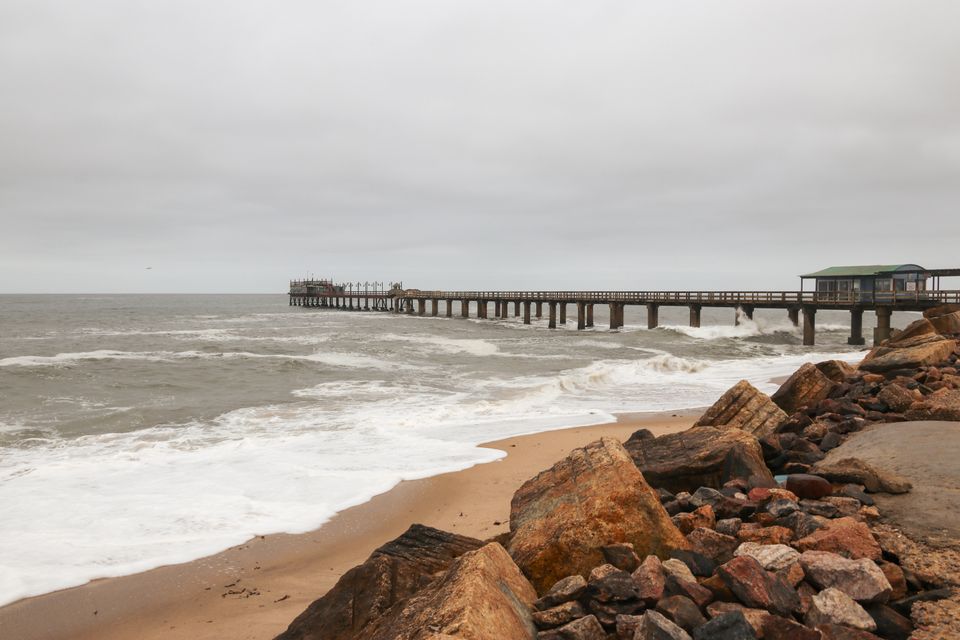
세 가지 시각적인 신호는 구조성 역류 해류와 주변 물을 구분합니다. 첫째, 구조물과 평행하거나 각도를 이루며 뻗어 있는 어두운 채널입니다. 더 깊은 물에는 파도의 영향이 적기 때문에 더 어둡게 보입니다. 둘째, 구조물 옆에서 부서지는 파도의 선에 생긴 간격입니다. 물이 빠르게 움직이고 수심이 더 깊기 때문에 파도가 이 채널 위로 부서지지 않습니다. 셋째, 거품, 잔해 또는 해초가 해당 채널에서 해변으로부터 꾸준히 멀어지고 있습니다.
이 세 가지 단서는 일반적으로 파도가 보통일 때 가장 뚜렷하게 나타납니다. 잔잔한 바다에서는 이러한 현상이 보이지 않을 수 있습니다. 파도가 매우 클 때는 모든 곳에서 이러한 현상이 나타날 수 있습니다. 위험 요소는 그 중간 단계에 있습니다. 즉, 역류를 유발할 만큼 충분한 파도의 영향이 있지만, 채널을 가릴 정도로 혼란스럽지는 않습니다. 또한 대부분의 일반적인 수영객은 이럴 때 물 상태가 괜찮다고 생각합니다.
- 구조물 근처의 어두운 채널(수심이 더 깊음).
- 파도가 부서지는 선에 생긴 간격(파도는 채널 위로 부서지지 않음).
- 구조물 옆으로 바다 쪽으로 떠내려가는 거품 또는 잔해.
바위 근처의 여과 채널
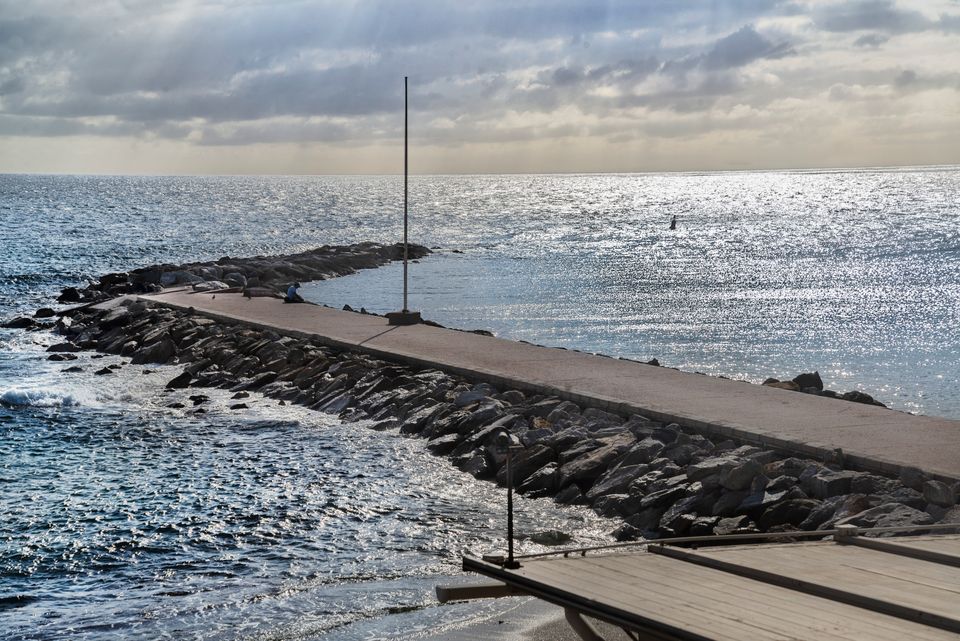
여과 채널은 두 개의 장애물 사이 또는 좁은 간격을 통해 흐르는 좁은 해류입니다. 모래사장 위에 있는 바위 무리는 파도가 부서질 때마다 바로 옆에서 여과 채널을 형성할 수 있습니다. 이 흐름은 넓은 역류가 아니라 오히려 집중된 제트와 같으며, 이 곳으로 떠내려간 수영객은 좁은 간격을 통해 빠르게 끌려갑니다.
산호초 통로는 더 큰 규모로 동일한 방식으로 작동합니다. 열대 및 지중해 지역의 바위투성이 해안은 작은 여과 채널이 많으며, 이 채널들은 바위를 호기심 있게 살펴보는 수영객들을 가두고 있습니다. 시각적인 신호는 비슷합니다. 즉, 채널에서의 파도의 영향이 적고, 물의 움직임이 한 방향으로 분명하게 흐르며, 종종 거품과 해초가 섞여서 통과합니다.
사람들이 왜 어쨌든 구조물에 가까이 가게 되는가?
부두와 바위가 수영객을 유인하는 데에는 실질적인 이유가 있습니다. 부두 옆의 물은 파도가 부분적으로 막혀 있기 때문에 더 잔잔해 보입니다. 바위 암초는 해변의 한쪽 면에 그늘을 드리워 더 보호된 느낌을 줍니다. 방파제와 파제는 작은 보호 구역을 만드는 것처럼 보입니다. 이 모든 것들은 사실이지만, 보호 효과는 부분적입니다. 구조물 바로 옆은 종종 역류 채널이며, 보호되는 구역은 생각하는 곳이 아닐 수도 있습니다.
해상 안전 요원은 일반적으로 안전 구역을 깃발로 표시하고 구조물로부터 의도적으로 거리를 두고 배치합니다. 깃발이 없다면, 부두에서는 부두 길이의 하나 또는 두 배 정도 떨어진 곳에서 물에 들어가고, 바위 암초에서는 최소 30~50미터 떨어져 있어야 합니다. 파도가 더 크게 일 때는 그 이상 거리를 두십시오.
- 해상 안전 요원이 있는 해변: 깃발이 세워진 구역 안으로 들어가고, 부두 옆으로는 들어가지 마십시오.
- 해상 안전 요원이 없는 해변: 파도가 보통일 때 고정된 구조물로부터 30~50미터 떨어져 있어야 합니다.
- 파도가 더 세거나 주기가 길어지면, 안전 거리를 더 늘리십시오.
만약 해류에 휘말리면 어떻게 해야 할까요?
대부분의 구조 조언은 구조성 역류와 열린 해변의 역류 모두 동일합니다. NOAA의 지침에 따르면 침착하게 행동하고, 해류를 거슬러 수영하지 말고, 해안과 평행하게 수영하여 역류에서 벗어나거나 떠서 도움을 요청하십시오. 구조물이라는 요소는 한 가지 변수를 더합니다. 즉, 역류 중에 구조물을 잡지 마십시오. 부두 지지대와 바위는 날카롭고 종종 생물학적 코팅이 되어 있으며, 역류가 이 물체에 부딪히면 수영객이 고정될 수 있습니다.
해안과 평행하게 수영할 수 있다면, 구조물 쪽으로 가지 않고 멀어지는 방향으로 수영하십시오. 역류 채널에서 벗어나면 파도가 부서지는 지점으로 다시 들어가서 부서진 파도의 추진력을 이용하여 해안으로 돌아올 수 있습니다.
BeachFinder의 현장 정보와 함께 계획하십시오.
BeachFinder는 각 현장 페이지에서 파고, 주기, 바람 방향, 수온 및 수질을 보여줍니다. 이 모든 것이 해변에서 직접 확인하는 것을 대체하지는 않지만, 함께 사용하면 구조성 역류가 발생할 가능성이 가장 높은 시기를 알 수 있습니다. 보통 정도에서 큰 파도와 긴 주기가 더해져 알려진 구조물이 있으면 안전 구역이 평소보다 더 중요해지는 해변입니다.
BeachFinder를 사용하여 여행을 결정하기 전에 사진, 지도, 날씨, 자외선 지수, 수온, 바람, 파도, 해류, 수질(가능한 경우), 편의 시설, 숙박 시설 및 활동 등을 비교하십시오.
출발 전 체크
- 물에 들어가기 전에 해변에 있는 부두, 방파제, 파제 또는 바위 무리를 식별하십시오.
- 구조물 옆에서 더 어두운 채널, 파도가 부서지지 않는 간격 및 구조물을 따라 바다 쪽으로 떠내려가는 거품을 확인하십시오.
- 파도가 보통일 때에는 고정된 구조물로부터 최소 30~50미터 떨어져 있어야 하고, 파도가 더 크게 일 때는 그 이상 거리를 두어야 합니다.
- 해상 안전 요원이 설치한 구역이 있다면 해당 구역 안으로 들어가고, 부두 옆으로는 들어가지 마십시오.
- 만약 해류에 휘말리면 구조물을 향해 가지 않고, 그 반대 방향으로 평행하게 수영하십시오. 부두 지지대나 바위를 잡지 마십시오.
FAQ
부두 근처에서 수영하는 것은 항상 위험한가요?
항상은 아니지만, 역류 해류 구조 사고에서 통계적으로 더 많이 나타납니다. 구조물은 적어도 한쪽으로 반류 흐름을 집중시키고, 그 쪽이 일반적으로 역류 채널입니다. 해상 안전 요원이 해당 구역을 깃발로 표시하지 않는 한 즉시 옆에 가지 말고, 파도가 부서질 때는 그 거리를 두 배로 늘리십시오.
왜 바위는 잔잔한 날에도 해류를 만들어내는가?
파도가 없는 잔잔한 날에는 바위가 훨씬 적은 흐름을 만듭니다. 해류는 파도가 부서지고, 그 물이 어딘가로 흘러나가야 할 때 나타납니다. 바위 옆 또는 사이의 좁은 간격은 가장 쉬운 경로가 되며, 이 간격을 통해 흐르는 물은 제트와 같고, 수영객이 이 곳으로 떠내려갈 경우 좁은 간격을 통해 빠르게 끌려갑니다.
해상 안전 요원은 구조성 역류를 예측할 수 있는가?
경험이 풍부한 해변의 해상 안전 요원은 해당 지역에서 구조성 역류가 어디에 있는지 정확히 알고 깃발을 적절하게 배치합니다. 깃발이 보이면 깃발을 따르십시오. 역류는 부두 또는 방파제 옆에 깃발로 표시되지 않은 구역에 거의 확실히 있습니다.
BeachFinder로 오늘의 스팟을 확인하세요.
현재 위치, 전 세계 도시 검색 또는 지도를 사용해 주변에서 가장 관련성 높은 수영 스팟 20곳을 비교하세요.
These beach pages connect the guide advice with real spot details: sea temperature, wind, UV index, waves, access and photos when available.
Praia de Quarteira
PT
Playa de la Mata Negra
PT
Praia do Carvalho
PT
Plage Rive Gauche
FR
Plage de la Dalle
FR
Plage de Saint-Jean
FR
Praia dos Alemães
PT
Praia da Barra
PT
Plage du Lividic
FR
Lagoa de Albufeira
PT
Plage de Notre-Dame
FR
David
FR
Plage du Moulin Brûlé
FR
Praia dos Castelos
PT
Plage de La Folie Calette
FR