
Best beaches near Genoa: Boccadasse, Camogli and San Fruttuoso
Ligurian coves around Genoa, with Boccadasse fishing-village swim, Camogli pebble beach, San Fruttuoso abbey arrival and Riviera di Levante highlights.
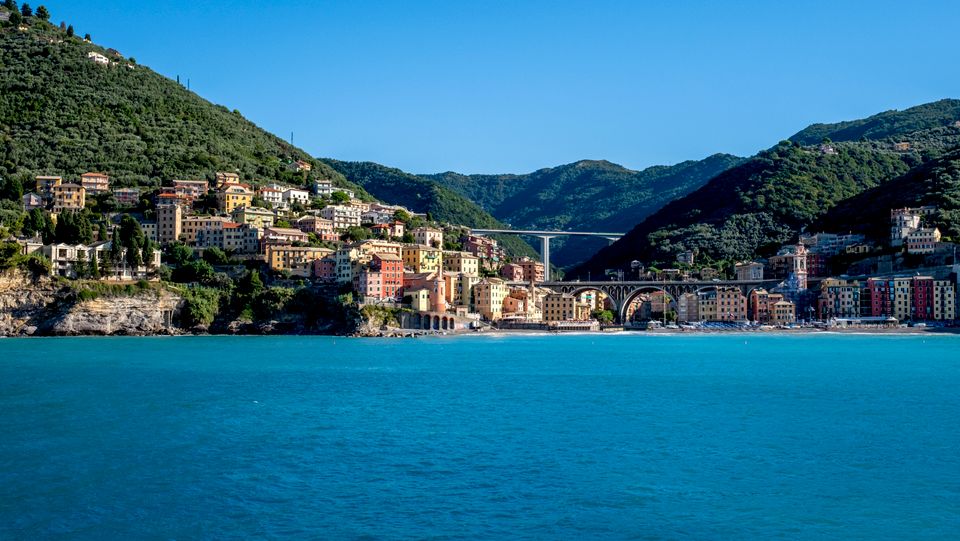
Genoa is the gateway to the Riviera di Levante, the eastern stretch of the Ligurian coast that includes Camogli, Portofino, the Cinque Terre and Lerici. The beaches here are coves rather than long strips, mostly pebble or rocky platform, with pastel-colored fishing villages clinging to the cliffs above. Within Genoa itself, Boccadasse is the famous fishing-village cove right in the city. Outside the city, a chain of small bays and the dramatic Portofino peninsula deliver some of the most photographed swimming spots in Italy.
Use this guide to map intent to cove. Boccadasse is the in-city default for an evening swim and a photo. Camogli is the polished Levante village half an hour east, with a wider pebble beach and a strong restaurant scene. San Fruttuoso is the abbey cove reachable only by boat or hike, and the swim there is one of the most distinctive in Italy. Recco, Sori and Bogliasco are the smaller intermediate villages with their own coves. Each has different transport, different scogliera (rocky platform) layouts and different stabilimento patterns.
- Genoa beaches are pebble or rocky platform; bring water shoes everywhere.
- Boccadasse is the in-city fishing-village cove, walkable from the center.
- Camogli and San Fruttuoso are the highlight day trips on the Riviera di Levante.
- Scogliera (concrete platforms with ladders) replace sand at many Ligurian beaches.
Boccadasse: the city fishing-village cove
Boccadasse sits on the eastern edge of Genoa, about 30 minutes walk from the Old Town or 15 minutes by bus 31. It is a tiny fishing village folded into a cove, with pastel-colored houses on the rocks, a small pebble beach and a chain of gelaterias and bars along the seafront. The cove is small, the crowd is real in summer evenings and the swim is short and atmospheric rather than a day-long beach experience.
The pebble beach is small enough that umbrellas struggle to fit. Most visitors come for an evening swim, a gelato and the sunset color on the houses. The water entry is pebbly and the swim area is sheltered from the main sea wind. For a more relaxed day-long beach, you want to leave Boccadasse and head east to Sturla, Quarto or Nervi, all of which are larger and have stabilimenti.
- Boccadasse: small pebble cove, fishing-village houses, evening swim default.
- Sturla: larger pebble beach immediately east, more space and services.
- Quarto: longer pebble stretch with stabilimenti and free sections.
- Nervi: eastern edge of the city, scogliera platforms and a famous seafront promenade.

Camogli, Recco and the Riviera di Levante
Camogli sits 25 minutes east of Genoa by train, a postcard fishing port with a long pebble beach in front of a chain of tall colored houses. The beach is wider than Boccadasse, the scogliera platforms at the eastern end give a more relaxed swim option and the restaurant scene specializes in fresh anchovies, octopus and Ligurian focaccia. Camogli is the strongest Riviera di Levante half-day destination from Genoa.
Recco between Genoa and Camogli is the focaccia di Recco capital and has its own pebble beach with a more local feel. Sori, Bogliasco and Pieve Ligure are the smaller intermediate villages, each with a small cove and a railway station. The Trenitalia regional line from Genoa Brignole to La Spezia stops at all of them, which makes hopping between coves realistic without a car.
San Fruttuoso: the abbey cove
San Fruttuoso di Capodimonte is the small cove at the foot of the Portofino peninsula, reachable only by boat from Camogli or Portofino or by a 90-minute hike from Camogli over the peninsula. The cove hosts the Abbazia di San Fruttuoso, a Romanesque abbey built into the cliffside, and a small pebble beach in front. The Christ of the Abyss underwater bronze statue lies in 15 meters of water just offshore, popular with snorkelers and divers.
The cove is small, the access is the experience and there are no road approaches. Boats from Camogli run hourly in summer (about 25 minutes), with combined tickets that include the Portofino loop. The hike from Camogli is moderate (90 minutes one way, well-marked GR-like trail with cliff sections). Bring water, a snack and water shoes. The combination of the abbey, the swim and the underwater Christ makes San Fruttuoso one of the most distinctive Italian beach experiences.
- San Fruttuoso cove: small pebble beach with the abbey in the cliff.
- Christ of the Abyss: 15m underwater bronze statue, snorkel or dive access.
- Boat from Camogli: 25 minutes, hourly in summer, combined Portofino ticket.
- Hike from Camogli: 90 minutes one-way, moderate, well-marked.
Paraggi and Portofino: the polished cove
Paraggi sits between Santa Margherita Ligure and Portofino, a small turquoise cove that is the closest the Ligurian coast comes to Caribbean water. The beach is small, mostly stabilimenti with high prices (umbrella plus two chairs can run 50 to 100 euros per day in peak season), and the swim is genuinely spectacular. A small spiaggia libera section exists but fills very early.
Portofino itself does not have a real beach: the famous fishing-port village is a place to walk, eat and admire. The closest swim from Portofino is a 15-minute walk to Paraggi or a boat trip to San Fruttuoso. Santa Margherita Ligure further north has Pebble town beaches and a larger restaurant scene. The combination of Camogli + Paraggi + San Fruttuoso is a classic day from Genoa.
Scogliera, stabilimenti and Ligurian beach culture
Scogliera (rocky platforms, usually concrete or natural rock with sea ladders) replace sand at many Ligurian beaches. The Nervi seafront, Bogliasco and parts of Camogli use scogliera for swim access. The entry is a metal ladder into deep water, which is excellent for confident swimmers and snorkeling but harder for families with small children. Bring water shoes regardless of where you go on this coast.
Stabilimenti follow the Italian pattern: a daily fee (20 to 60 euros for an umbrella plus chairs depending on the lido) buys you a defined spot and amenities. Spiaggia libera sections exist by law but are smaller and busier. Camogli has a good mix of both at the eastern end of the beach. Paraggi is mostly stabilimento. San Fruttuoso has a small free pebble section in front of the abbey.
Before you go
- Bring water shoes; pebble and scogliera replace sand on this coast.
- Take the regional train from Genoa Brignole; the parking situation is poor on summer weekends.
- Default to Camogli + San Fruttuoso boat for a classic day; Boccadasse for an evening city swim.
- Budget for stabilimenti at Paraggi; spiaggia libera fills very early.
- Check ferry schedules for San Fruttuoso; the cove is boat-or-hike only.
FAQ
Where can you swim within Genoa itself?
Boccadasse is the famous fishing-village cove on the eastern edge of the city, walkable in 30 minutes from the Old Town. The beach is small and pebbly so it works best as an evening swim and a photo stop rather than a day-long base. For a more relaxed swim within the city limits, head further east to Sturla, Quarto or Nervi: all are larger pebble beaches with stabilimenti, scogliera platforms and full services. Bus 31 covers the seafront route from the city center.
Is San Fruttuoso worth the boat trip?
Yes for one of the most distinctive beach experiences in Italy. The cove is tiny, the Romanesque abbey is built directly into the cliffside and the Christ of the Abyss bronze statue 15 meters underwater is unique. The boat from Camogli takes 25 minutes and combined tickets include the Portofino loop. Plan an early start because the cove is small and fills quickly on summer days. Bring water, a snack and water shoes; the pebble entry is firm and there are limited services at the abbey itself.
Why are Ligurian beaches mostly scogliera and not sand?
The Ligurian coast is a folded-rock coastline where cliffs descend directly to the sea, so natural sandy beaches are rare and the existing ones are small. Local infrastructure adapted by building scogliera: concrete or rock platforms with sea ladders for swim access. This pattern is common from Bogliasco through Camogli to the Cinque Terre. The advantage is deep water immediately offshore (great for swimming and snorkeling); the disadvantage is harder access for families with small children. Bring water shoes and treat the platform as part of the beach experience.
Use BeachFinder to check today's spot.
Use your location, search any city worldwide or explore the map to compare the 20 most relevant beaches and swimming spots around you.
Download BeachFinder
Find beach conditions, sea temperature, wind, UV, water quality, and nearby swimming spots before you go.
These beach pages connect the guide advice with real spot details: sea temperature, wind, UV index, waves, access and photos when available.
Plage Gazagnaire
IT
Plage Gallice
IT
Plage de la Mala
IT
Spiaggia grande di Tordigliano
IT
Baia dei Mergoli o delle Zagare - Nord
IT
Spiaggia di Marina d'Albori
IT
Spiagga Licina
IT
Spiaggia della vela
IT
Spiaggia Pozzallo
IT
Spiaggia Aurora
IT
Santa Maria
IT
Spiaggia di Granelli
IT
Spiaggia de La Forbice
IT
Chiaia di Luna
IT
Cava Grado
IT