Pollenprognose am Strand: Warum es wichtig ist und wie man plant
Pollen beeinflusst Strandtage mehr, als die Leute denken, besonders bei Asthma. Ein praktischer Leitfaden zur Überprüfung von Pollenprognosen und zur Auswahl komfortabler Strände.
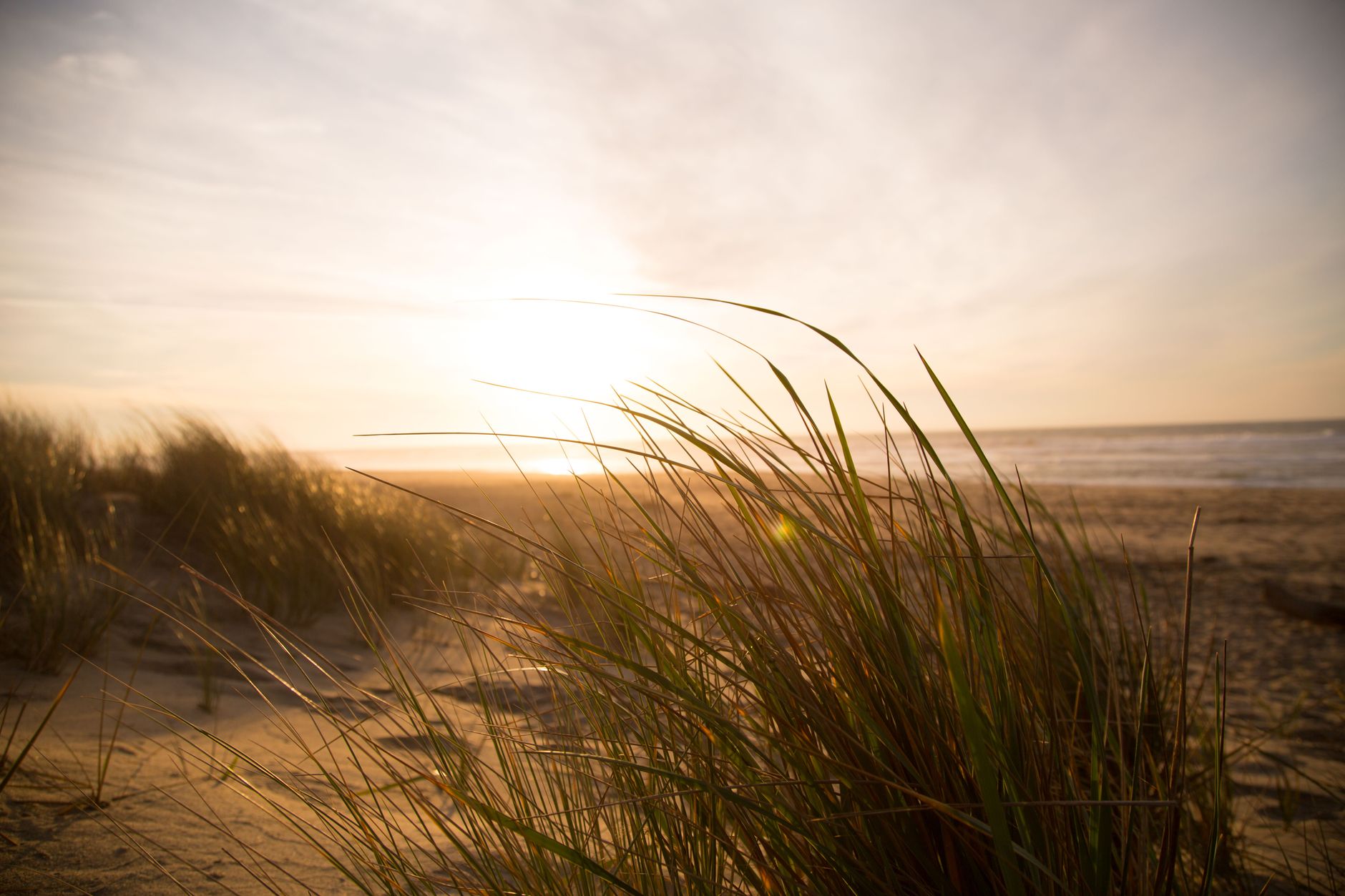
Die meisten Menschen verbinden Pollen mit Parks, Gärten und Wanderungen im Inland, aber ein Strandtag kann auch ein pollenreicher Tag sein. Küstenkräuter, Dünen, Kiefernwälder, regionale Wetterbedingungen und insbesondere der vorherrschende Wind entscheiden, wie viel Pollen an die Wasserlinie gelangt. Für Menschen mit Heuschnupfen oder Asthma kann dies eine Strandreise von entspannend zu erschöpfend verändern, bevor das Schwimmen überhaupt beginnt.
BeachFinder kann keine Pollenprognose ersetzen, aber es ergänzt eine auf nützliche Weise. Windrichtung, Wetter, regionale Vegetation und Annehmlichkeiten beeinflussen alle den Komfort. Der Zweck dieses Leitfadens ist es, Pollen ernsthaft als Planungsfaktor zu betrachten, ohne den Tag kompliziert zu machen. Ein paar einfache Überprüfungen vor dem Verlassen und ein paar einfache Anpassungen am Strand machen die meisten Pollen-Tage handhabbar.
- Pollenwerte an der Küste werden hauptsächlich durch den Wind aus dem Inland, regionale Vegetation und die Jahreszeit bestimmt, nicht nur durch den Strand selbst.
- Die offizielle Pollenprognose für dein Ziel ist wichtiger als die Art des Strandes, den du wählst.
- Menschen mit Asthma sollten hohe Pollen-Tage wie hohe UV-Tage behandeln: kürzere Exposition, unterstützende Annehmlichkeiten und Medikamente bereit.
- Die Strandorientierung allein ist selten der entscheidende Faktor. Der Wind am Tag zählt normalerweise mehr.
Why pollen reaches the beach in the first place
Pollen is light, sticky and travels easily with the wind. When the wind blows from inland toward the coast, it carries pollen from grasses, trees and crops over many kilometers, deposits some of it along the dunes and pushes the rest out to sea. On those days, even a beach surrounded only by sand and water can feel high in pollen for several hours.
Coastal vegetation also produces its own pollen. Dune grasses, beach pines, ragweed where it has spread, and ornamental trees in seaside towns all contribute to the local count. The European Aeroallergen Network and national bodies like the Reseau National de Surveillance Aerobiologique in France track these levels week by week, and the regional bulletins are usually a better source than guessing from photos.
- Wind direction matters. Onshore wind from a vegetated inland plain can carry significant pollen.
- Coastal grasses and pine forests have their own pollen signatures.
- Pollen forecasts are seasonal and regional, not a single number for the whole country.

Pollen and asthma: treat it like UV
For people with asthma, high pollen days are a real planning input, not background noise. The CDC lists pollen as one of the most common triggers along with cold air, exercise and air pollution. Combined with sea spray, sun exposure, fatigue and a long day outdoors, a high pollen forecast can quietly stack up into a hard breathing afternoon.
The practical answer is similar to a high UV day: choose shorter, well-planned beach windows, keep medication at hand and avoid stacking a long beach day on top of poor sleep, alcohol and minimal water. Inhalers should travel with the bag, not be left at home because the day looks calm.

How to actually check pollen before a beach day
The most accurate pollen information comes from official aerobiological networks. In France, the RNSA publishes weekly bulletins per region and per pollen type. Across Europe, the polleninfo.org service aggregates data from national networks. In the United States, several pollen tracking services build forecasts from station data and weather models. Most of these tools take less than a minute to check.
What you want is the dominant pollen for the next few days in your destination region, not just a single index number. Knowing whether it is grass, birch, olive or ragweed helps because individual sensitivities differ. Many people are fine with one type and reactive to another, so the same overall level can mean a quiet day for one person and a hard one for another.
- Check a regional aerobiological bulletin instead of a generic weather app number.
- Look at the dominant pollen, not just the headline level.
- Compare two days if possible. A drop the next morning can be worth waiting for.
Beach orientation matters less than the wind on the day
It is tempting to think a beach facing straight out to sea will always be lower in pollen, but that depends entirely on the wind direction on the day. With offshore wind, almost any beach can have inland pollen pushed across it. With strong onshore wind, the air comes from the sea and is usually cleaner, although salt and humidity may have their own effects.
What this means in practice is that you cannot pick a permanently low-pollen beach by looking at a map. The smarter habit is to combine the regional forecast with that day's wind direction. Many BeachFinder pages already show wind, so the cross-check is short.
- Offshore wind: inland air over the beach, often higher pollen for sensitive people.
- Onshore wind: sea air over the beach, often lower pollen but more salt spray and chop.
- Calm days: pollen lingers more locally, which can help or hurt depending on the source.
Small habits that make pollen days easier
A few low-effort habits make a real difference on pollen-heavy beach days. Sunglasses reduce eye irritation. A hat with a brim catches pollen that otherwise sits in the hair and continues to bother you in the car. A short rinse-off shower at the beach or back at the accommodation removes a lot of the pollen still on skin and swimwear.
Use BeachFinder to compare the photo, map, weather, UV, water temperature, wind, waves, currents, water quality where available, amenities, stays and activities before committing to the trip.
- Sunglasses and a brimmed hat are simple pollen filters.
- Showering after the beach removes a lot of remaining pollen.
- Avoid sleeping with the windows open on very high-pollen nights.
- Keep allergy medication and inhalers in the beach bag, not at the hotel.
Vor der Fahrt
- Check the official regional pollen bulletin before the beach day.
- Compare wind direction with the dominant pollen for that region.
- Plan a half-day window when pollen and asthma overlap.
- Bring sunglasses, a hat and a clean change of clothes for the drive home.
- Carry medication and inhalers as part of the beach bag, not as an afterthought.
FAQ
Does the sea air really help with pollen?
Sometimes. Onshore wind generally brings cleaner sea air over the beach and can lower pollen exposure during the visit. But on offshore-wind days, the inland air with its full pollen load is pushed across the same beach. So the answer depends on the wind on the day, not on the idea of beaches in general.
Can a high pollen day make swimming harder for asthmatics?
It can. Pollen, exertion, cold water shock, sun fatigue and dehydration can stack together. Most people manage it with planning: shorter swims, breaks in shade, hydration and inhaler available. Anyone with poorly controlled asthma should treat very high pollen days as a reason to shorten the trip, not as a normal beach day.
Are some beach regions naturally lower in pollen?
Some regions have lower season-average pollen than others, especially small islands and beaches far from agricultural plains. But within any region, daily wind direction and the local pollen calendar matter more than the choice of beach. Use the regional bulletin as the main signal, not the type of coast.
Nutze BeachFinder, um den heutigen Spot zu prüfen.
Nutze deinen Standort, suche weltweit nach einer Stadt oder erkunde die Karte, um die 20 passendsten Badestellen in deiner Nähe zu vergleichen.
Diese Strandseiten verbinden den Guide mit echten Details: Wassertemperatur, Wind, UV, Wellen, Zugang und Fotos, wenn vorhanden.
Plage Rive Gauche
FR
Plage de la Dalle
FR
Plage de Saint-Jean
FR
Plage du Lividic
FR
Plage de Notre-Dame
FR
David
FR
Plage du Moulin Brûlé
FR
Plage de La Folie Calette
FR
Plage du Tertre Pelé
FR
Plan d'eau de Chambaud
FR
Grands Sables
FR
Plage des Célestins
FR
Plage de Mousterlin
FR
Plage de Porsmeur
FR
Plage de la Phibie
FR