
Erste Hilfe bei Seeigeln: Wie man Stacheln entfernt und Infektionen vermeidet
Auf einen Seeigel zu treten ist schmerzhaft, aber selten gefährlich. Ein praktischer Leitfaden zum Entfernen von Stacheln, zur Vermeidung von Infektionen und zum Wissen, wann man einen Arzt aufsuchen sollte.
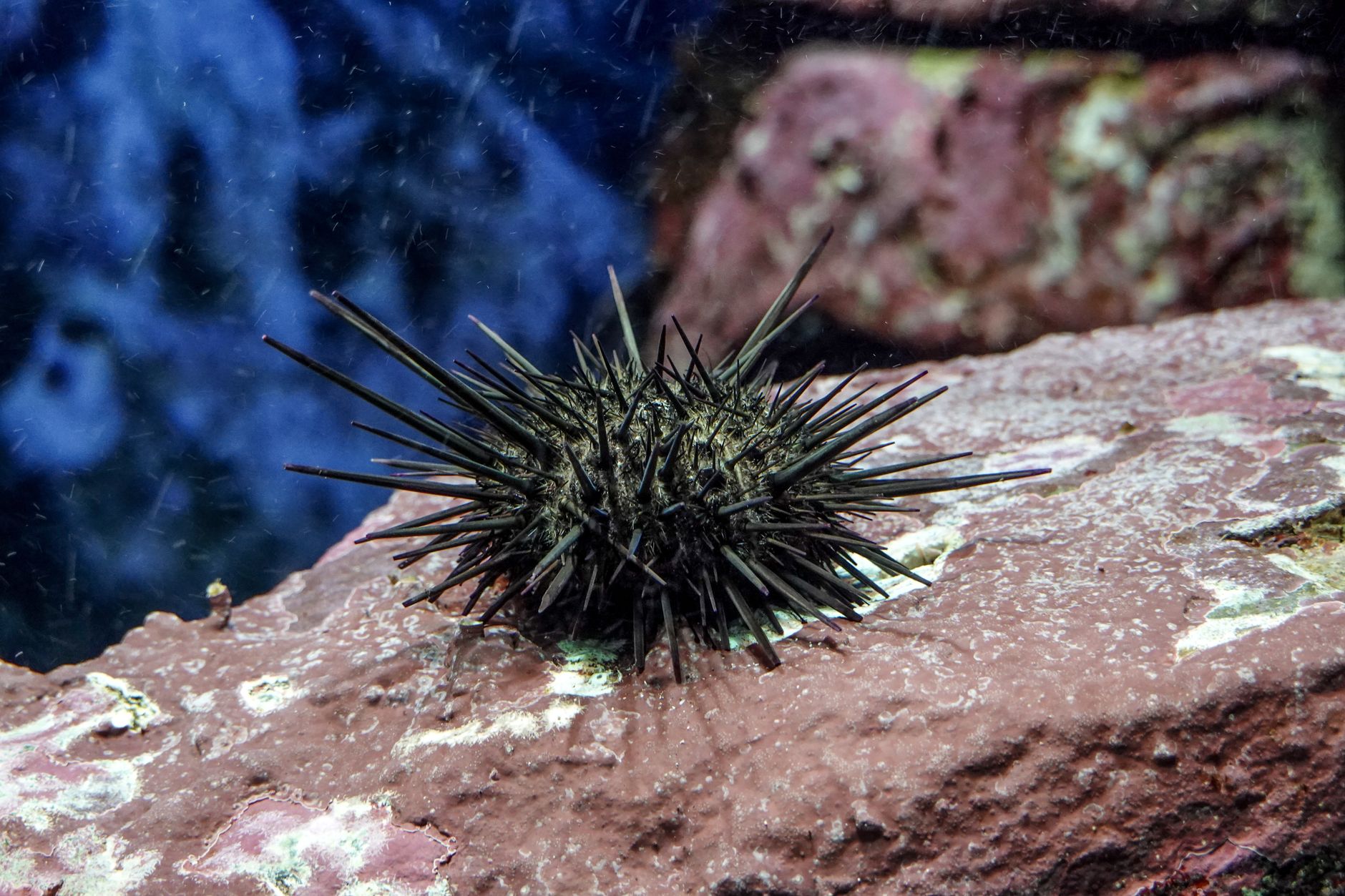
Seeigel leben genau dort, wo Sommerbesucher gerne gehen: an felsigen Einstiegen, flachen Kanten, Hafenstufen und der Naht zwischen Sand und Stein. Auf einen zu treten ist schmerzhaft, häufig oberflächlich und normalerweise am Strand behandelbar, aber die Nachsorge entscheidet darüber, ob der Fuß schnell heilt oder während einer Reise zu einer kleinen Infektion wird.
BeachFinder zeigt die Art des Ufers, Fotos und Annehmlichkeiten, da die richtigen Schuhe und der richtige Einstieg die meisten dieser Verletzungen verhindern können. Wenn ein Stachel dennoch im Fuß landet, besteht die Reaktion aus ruhiger Reinigung, vorsichtiger Entfernung und Beobachtung des Bereichs in den Tagen danach. Die meisten Stacheln kommen entweder heraus oder werden vom Körper wieder aufgenommen, aber einige Situationen erfordern einen Arzt.
- Die meisten Seeigel-Punktionen betreffen feine, spröde Stacheln, die oft in der Haut abbrechen und langsam herauswachsen oder sich auflösen.
- Die beiden echten Risiken sind Infektionen an der Punktion und Stacheln, die in der Nähe eines Gelenks, einer Sehne oder eines belasteten Bereichs stecken.
- Das Einweichen des Bereichs in warmem Wasser kann die Haut erweichen, Schmerzen reduzieren und das Herausnehmen kleiner Stacheln erleichtern.
- Prävention besteht hauptsächlich in der Fußbekleidung: günstige Reef-Schuhe verhindern die meisten Verletzungen an felsigen Küsten.
What sea urchins do, and why most injuries are minor
Sea urchins along rocky European and Mediterranean coasts are usually species like Paracentrotus lividus, the rock urchin, with brittle spines that break easily. Tropical and subtropical species can be more painful, and a few, like flower urchins, carry true venom, but most beach-day urchin injuries involve mechanical puncture rather than envenomation.
When you step on one, several short black or purple spines usually break inside the skin. The pain is sharp, the puncture often bleeds a little, and the area can throb for a few hours. Walking carefully, sitting down and looking at the foot in good light is more useful than rushing into removal.
- Common European and Mediterranean species: spines fragile, mostly mechanical injury.
- Tropical species: a few are venomous, so local pain that grows quickly should be taken seriously.
- Look at the puncture in good light before deciding what to remove.

Soak first, then assess what is really stuck
The first useful step is rinsing the foot with clean water and looking at the puncture under sunlight or a phone flashlight. Many spines that look deep are actually surface fragments that can be wiped away with a clean towel. The dark color of the spine often makes the wound look worse than it is.
Soaking the foot in comfortably warm water, around 40 to 45 C, for 30 to 60 minutes can soften the skin, reduce pain and let smaller spines come closer to the surface. Hot water also helps with the venom of a few species, so it is a sensible default. Make sure the water is not so hot that it scalds, especially with children.

Remove what is shallow, leave what is deep
After soaking, surface spines often emerge enough to be removed with clean tweezers. Work with even pressure and avoid breaking the spine into smaller fragments. If a spine snaps off below the skin, do not chase it through deeper tissue. Many shallow fragments are simply reabsorbed by the body over the following days or weeks.
Spines on the sole of the foot near pressure points, near a joint or near the toe creases need more caution. Repeated walking on the area can drive the fragment deeper or cause inflammation. If the spine looks longer than a few millimeters, or if it is in a difficult location, plan a visit to a doctor or pharmacy that day rather than relying on the beach toolkit.
- Tweezers and clean hands are enough for shallow surface spines.
- Do not cut the skin open at the beach: infection risk outweighs the benefit.
- Treat fragments near joints, soles or fingers as clinic cases, not towel cases.
Cleaning, dressing and the next 72 hours
Once the visible spines are out, clean the puncture with mild soap and clean water, dry it gently and cover it with a clean dressing. An antiseptic solution is fine. Tetanus protection is worth checking, especially if the last booster was many years ago, because puncture wounds in coastal environments are exactly the kind of injury that the CDC and most public health agencies highlight.
Coastal water exposure also raises the risk of infections like Vibrio in warmer seas, which the European Centre for Disease Prevention and Control has been monitoring as sea temperatures rise. Watch the area for the next few days for redness that spreads, increasing pain, swelling, fever or pus. Any of those signs is a reason to see a doctor, even if the spine is out.
- Wash, dry, dress. Keep it covered if you go back into sand or water.
- Verify tetanus status: most boosters last about ten years.
- Watch the puncture for spreading redness, fever or growing pain over 48 to 72 hours.
Prevent it next time with the right shoes and entry
Sea urchins live where they live. The best long-term answer is not better first aid, it is better entry choices. Reef shoes or simple aqua shoes are inexpensive and almost completely prevent shallow urchin injuries. They also help with hot pebbles, broken shells, anchors and old fishing gear.
Use BeachFinder to compare the photo, map, weather, UV, water temperature, wind, waves, currents, water quality where available, amenities, stays and activities before committing to the trip.
- Bring reef shoes when the beach photo shows rock, ledge or harbor entries.
- Look for a sand corridor between rocks for entry and exit.
- Avoid stepping on submerged ledges where you cannot see the surface.
Vor der Fahrt
- Sit down and rinse the puncture before doing anything aggressive.
- Soak the foot in comfortably hot water for 30 to 60 minutes.
- Remove only the spines that come out easily with clean tweezers.
- Clean, dress and watch the area for the next 72 hours.
- See a doctor for spines near joints, signs of infection or unsure tetanus status.
FAQ
Will a sea urchin spine come out by itself?
Often, yes. Many small fragments either work their way out through normal skin shedding or are reabsorbed by the body over weeks. The risk is not the spine itself, it is the infection that can develop if the puncture is dirty or the area is on a high-pressure part of the foot.
Should I cut my skin to dig out a spine at the beach?
No. Cutting at the beach exposes the wound to sand, salt water and bacteria with no real benefit. If a spine is too deep to remove gently with tweezers after warm soaking, leave it alone, dress the foot and have a clinician evaluate it the same day if possible.
What if the area gets red and swollen days later?
Treat that as an infection signal, not a normal part of healing. Spreading redness, increasing pain, swelling, warmth, pus or fever justify a doctor visit. Coastal punctures are particularly worth watching in warm seas where Vibrio bacteria are part of the local microbial mix.
Nutze BeachFinder, um den heutigen Spot zu prüfen.
Nutze deinen Standort, suche weltweit nach einer Stadt oder erkunde die Karte, um die 20 passendsten Badestellen in deiner Nähe zu vergleichen.
Diese Strandseiten verbinden den Guide mit echten Details: Wassertemperatur, Wind, UV, Wellen, Zugang und Fotos, wenn vorhanden.
Ondarreta
ES
Plage Rive Gauche
FR
Plage de la Dalle
FR
Plage de Saint-Jean
FR
Playa del Regatón
ES
Platja gossos
ES
Playazo de Villaricos
ES
Playa Fluvial del Huerva
ES
Playa de Guadalmar
ES
la Caleta
ES
Praia das Furnas
ES
Praia de Rochas Brancas
ES
Platja de la Platera
ES
Platja dels Tres Micos
ES
Playa de Permenande
ES