
Best beaches near Nantes: Loire-Atlantique coast and tidal logistics
Atlantic beaches reachable from Nantes, with tide-aware planning, La Baule and Pornic logistics, family priorities and train alternatives.
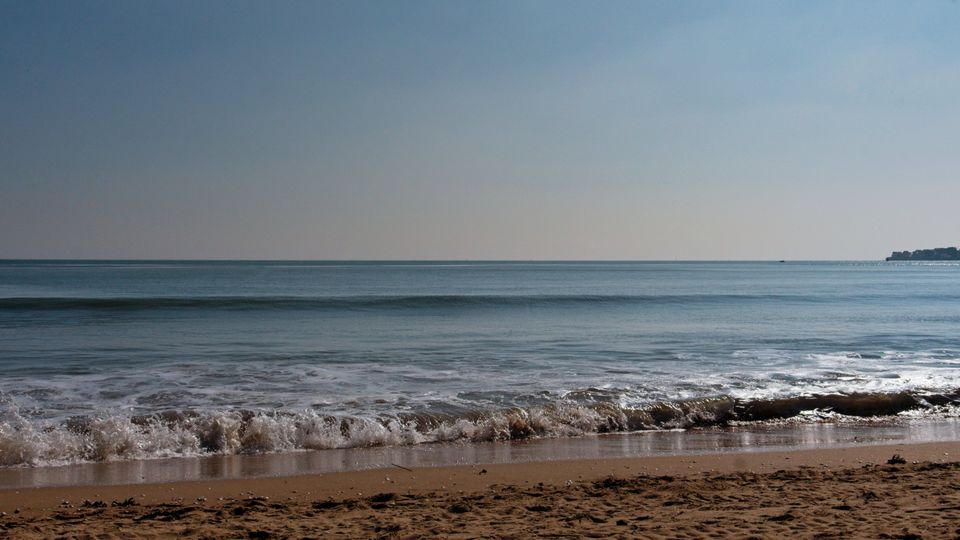
Nantes sits inland on the Loire, with the Atlantic about an hour west by car or train. The coast in Loire-Atlantique is wide, sandy and tidal, which means the same beach can look completely different in the morning and the afternoon. That single fact reorganizes the day more than the weather or the school calendar do, and getting tide timing right is the difference between a relaxed family afternoon and an awkward stretch on a tiny strip of sand.
Use this guide to map intent to coastline. La Baule is the long sandy bay that absorbs crowds. Pornic is the rocky, more intimate option to the south. Pornichet, Le Croisic and Saint-Brevin sit between them with their own characters. Each has its own parking pattern, train access and tidal personality, and the right answer changes by the season as well as by the high-water hour.
- Loire-Atlantique tides change the usable beach by hundreds of meters; check the tide chart before leaving.
- La Baule is the largest sandy bay and the strongest default for relaxed family swimming.
- Pornic, Saint-Brevin and Le Croisic offer rockier, more intimate alternatives.
- The TER from Nantes to La Baule and Le Croisic is fast and avoids most summer traffic.
La Baule and Pornichet: the long sandy bay
La Baule is the headline beach of Loire-Atlantique. Its bay is roughly nine kilometers of sand, gently sloped, with a wide promenade, a casino, restaurants and seasonal beach clubs. It is the strongest default for a Nantes beach day because the size of the bay absorbs crowds and the slope is gentle enough to keep families calm even on a hot Saturday. Pornichet sits on the same bay's eastern side and feels slightly more residential.
The TER train from Nantes runs through the day to La Baule-Escoublac and continues to Le Croisic. The walk from La Baule station to the beach is short. Driving is straightforward but the summer Saturday return traffic on the N165 is the slowest part of the day; take the train if a car is not strictly necessary.
- Plage de La Baule: long bay, gentle slope, full services, train station nearby.
- Plage de Pornichet: same bay, more residential, calmer crowd in shoulder season.
- Plage Benoit (La Baule): popular family stretch, beach club rentals.
- Plage des Libraires (Pornichet): smaller and more local-feeling.
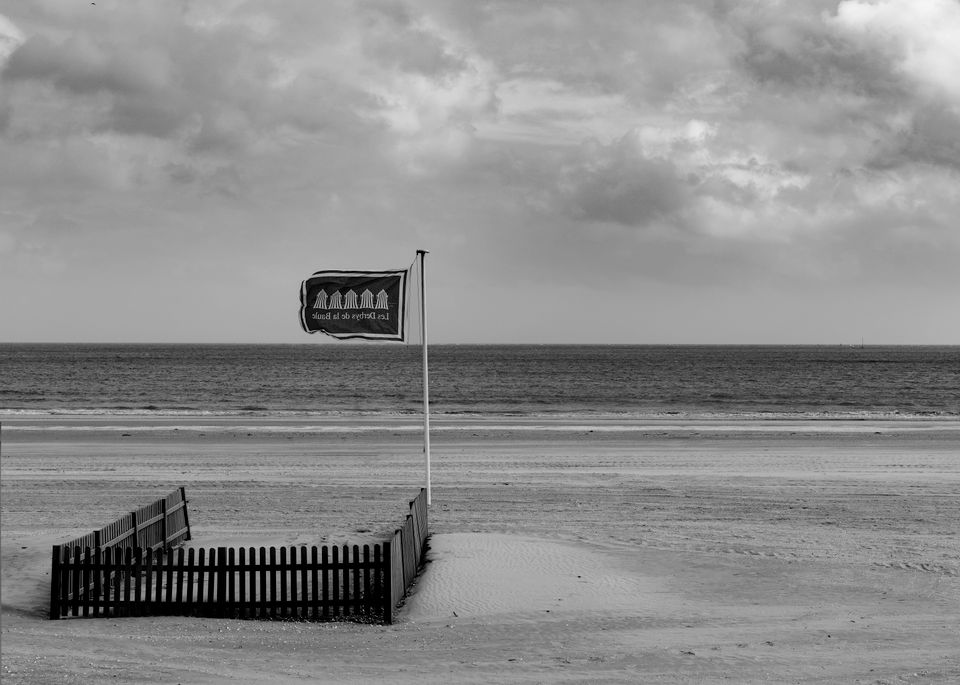
Pornic and the south: rockier coves and oysters
Pornic is the south-coast alternative, about an hour from Nantes. It is rockier than La Baule, with a working harbor, a clifftop coastal path and small intimate coves. Plage de la Source, Plage de la Joselire and the small beach at Sainte-Marie-sur-Mer are the family options, and they have a more Breton character than the long beaches further north. Tides matter more here because the coves are smaller, so high water can shrink the usable sand to almost nothing.
Saint-Brevin-les-Pins, on the south bank of the Loire estuary, is the gentle alternative for travelers who want flat sand and pine-shaded promenades close to the city. It is reachable by bus from Saint-Nazaire and the beach is wide at low tide. North of Saint-Nazaire, the beaches start blending into the La Baule system again.
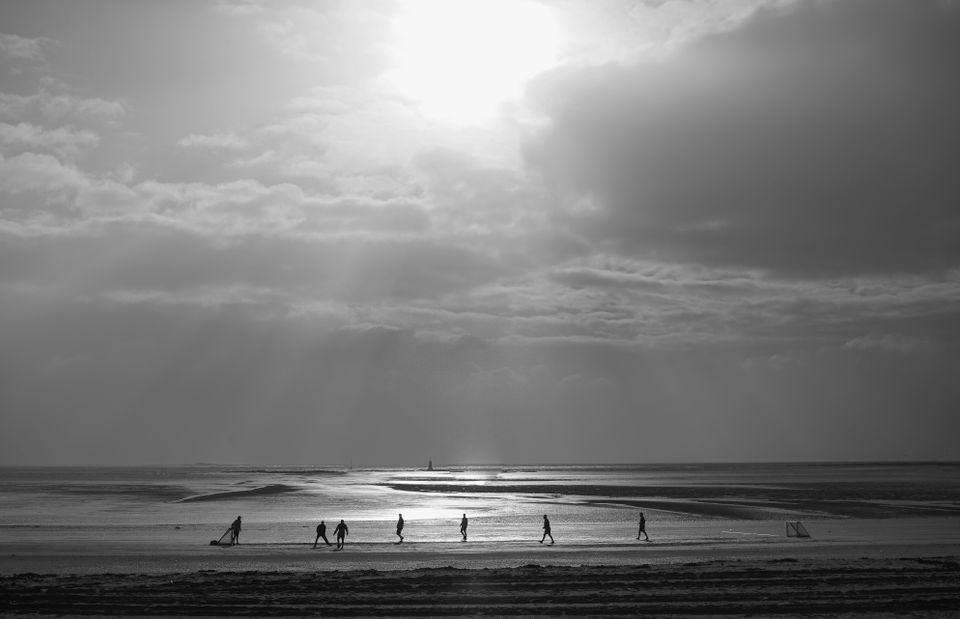
Le Croisic and the wild peninsula
Le Croisic peninsula sits at the western end of the La Baule bay system. The peninsula tip has rugged cliffs, cleaner-water coves like Plage de Port-Lin and Plage de Saint-Goustan, and a fishing-port feel that distinguishes it from the resort atmosphere of La Baule itself. The TER continues to Le Croisic from Nantes, which keeps it reachable without a car.
Le Pouliguen and Batz-sur-Mer sit between La Baule and Le Croisic and have their own beaches and salt-marsh walks. They are a useful midday relocation when La Baule fills up and you do not want to leave the area entirely. The beaches change character within a few kilometers along this peninsula, which is unusual on the French Atlantic.
- Plage de Port-Lin (Le Croisic): rocky coves, cleaner water, sunset light.
- Plage de Saint-Goustan: family-friendly section near the Le Croisic peninsula.
- Le Pouliguen: between La Baule and Le Croisic, smaller beaches and salt marsh walks.
- Batz-sur-Mer: pretty village, calm beach sections, less crowded than La Baule.
Tides: what they actually do to the day
Tidal range on this coast can exceed five meters during high spring tides. At low water, La Baule reveals hundreds of meters of flat sand and the swimming entry can require a long walk. At high water, the bay feels intimate and swimming starts within twenty meters of the promenade. Pornic and Le Croisic are even more sensitive because their coves are smaller, and a wrong tide turns a beach into a rocky wedge.
Use SHOM tide tables and check whether your visit lands closer to high water or low water before choosing the spot. For families with younger kids, mid-tide rising water is the ideal window because the swim entry is moderate and the sand reveals enough space to set up. For paddleboarding or kayaking, high tide is usually the better choice for long beach systems.
Parking, train and traffic patterns
On summer Saturdays, the N165 between Nantes and Saint-Nazaire saturates from late morning. La Baule parking fills near the seafront and you walk a few extra blocks. The TER train avoids both problems and lets you read on the way back, which is an underrated benefit on a hot afternoon. Pornic is harder by train: the line exists but service is thinner, so a car is the realistic plan for the south coast.
Family travelers should plan the return for either before lunch or after 19:00. The middle of the afternoon is the slowest moment on the road, and on a hot day a stuck car is the worst part of any beach trip. Pack water and a snack for the drive home as a default.
Before you go
- Check the tide before choosing the spot; small coves shrink dramatically at high water.
- Take the TER to La Baule or Le Croisic in summer to skip the road bottleneck.
- Save a backup beach inside the same area in case parking is full.
- Pack water, a hat and a snack for any south-coast trip from Pornic.
- Plan the return before deciding the beach: 19:00 is the calmer moment on the N165.
FAQ
Which beach near Nantes is best with small children?
La Baule is the strongest default because the slope is gentle, the sand is wide at low tide, lifeguards are present in summer and rentals are easy to find. Pornichet on the same bay is the calmer-feeling alternative. Pornic has charm and rocky coves but the tides change the usable beach quickly, which is harder with younger kids. Saint-Brevin-les-Pins is the south-bank alternative with pine-shaded promenades and shallow water at low tide.
Can you reach La Baule from Nantes without a car?
Yes, the TER train runs from Nantes to La Baule-Escoublac and Le Croisic regularly through the day in summer. The walk from La Baule station to the beach is short and the seafront promenade covers most of the bay's restaurants and rentals. For Pornic, train service exists but is thinner and a car is more realistic. Pornichet, Le Pouliguen and Le Croisic are all on the same TER line and easy to combine without driving.
Why does the tide matter so much in Loire-Atlantique?
Because tidal range can exceed five meters on this coast, which is large enough to expose hundreds of meters of sand at low water and to nearly fill smaller coves at high water. Long beaches like La Baule absorb the change easily but small Pornic or Le Croisic coves can lose most of their usable sand at the wrong hour. Check SHOM tide tables before leaving and plan the visit to land near mid-tide rising water for the most flexible day.
Use BeachFinder to check today's spot.
Use your location, search any city worldwide or explore the map to compare the 20 most relevant beaches and swimming spots around you.
Download BeachFinder
Find beach conditions, sea temperature, wind, UV, water quality, and nearby swimming spots before you go.