Beach picnic logistics: how to pack for an actual full day
Cooler size, sand-proof setup, food that survives heat, water needs and the leave-no-trace habits that keep beaches usable.
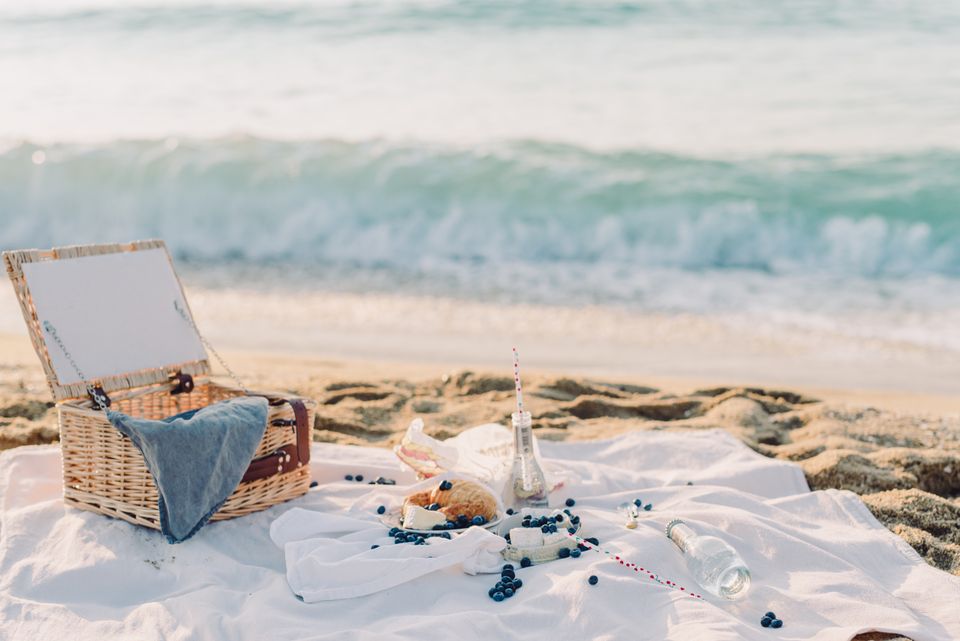
A beach picnic is the easiest way to extend a swim into a full day, but it is also the part of the visit most often badly planned. People overpack ice and underpack water, choose food that turns mushy in the sun and skip the basic sand-proofing that makes the difference between a relaxed two-hour lunch and an oily, gritty fight with melting cheese. The result is the same: the meal becomes the worst part of the day, and the family ends up leaving an hour earlier than planned.
BeachFinder users tend to plan the swim well and improvise the meal. This guide is the other side: how to pack a cooler that actually keeps food edible, how to set up so sand stays out of the bag, what to bring that survives heat and how to leave nothing behind. The Leave No Trace principles still apply on a beach, even one with a public bin. The aim is a setup so simple that two adults can break it down in five minutes and the youngest member of the group does not end up sitting on a wet sandy towel eating a melted yogurt.
- Cooler capacity is decided by drink volume, not food: most beach groups underpack water and overpack snacks.
- Hard-sided coolers with ice packs, not loose cubes, hold temperatures longer and avoid soggy lunch by mid-afternoon.
- Choose food that survives heat: vinegar-based salads, hard cheese, cured meats, fruit with peel, breads and cookies, not custards or mayonnaise.
- Sand-proofing the setup matters: a sheet under the picnic blanket, sealed containers and a small ground cloth for the cooler stop the worst sand transfer.
Size the cooler around water, not snacks
The biggest planning mistake is treating the cooler as a lunchbox. It should be sized around drinking water and ice. A family of four on a hot summer beach day will easily go through six to eight liters of cold water and electrolyte drinks. That is the number that decides the cooler size, not the sandwich count. Run out of cold water at noon and the visit ends regardless of how good the food was.
Hard-sided rotomolded coolers retain ice for 24 to 48 hours. Soft coolers manage 8 to 12 hours and are easier to carry. Pre-chill drinks before packing, use frozen ice packs rather than loose cubes (less melt water, no ruined bread), and keep the cooler closed in the shade. Opening it once an hour rather than every fifteen minutes doubles the working time. A small secondary cooler for snacks that need only mild cooling lets you keep the main cooler closed for the drinks that matter most.
- Plan two liters of cold water per adult per beach day, more on UV 8+ days.
- Freeze water bottles overnight and use them as ice plus drinkable backup.
- Keep the cooler in shade; bury the base slightly in cool sand if available.

Choose food that survives heat and sand
The best beach food is acidic, dry or naturally protected. Vinegar-based salads (cucumber, tomato, white-bean), hard cheeses, cured meats, fruit with peel (oranges, bananas, apples), bread, cookies and roasted nuts all hold up for several hours without refrigeration. Mayonnaise, custards, soft cheese and seafood salads are exactly the wrong choices for a long sunny session.
Wraps and tortilla rolls handle sand better than open sandwiches. Pre-cut and salted vegetables (carrots, peppers, fennel) keep texture in heat. Dark chocolate melts; cookies do not. The CDC notes that food held above 32 C for more than two hours becomes a real risk, so build the menu around heat tolerance rather than around what you would eat indoors.
Set up sand-proof
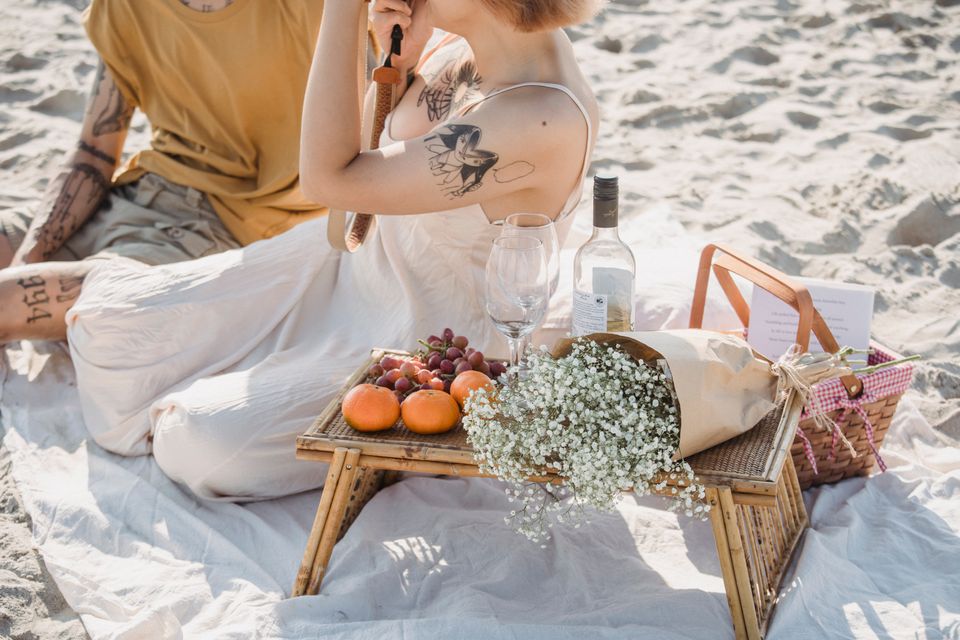
Sand transfer is mostly a setup problem. A large sheet or tarp under the actual picnic blanket creates a buffer zone where you remove flip-flops and shake off feet before stepping on the eating surface. A small ground cloth for the cooler keeps the inside food dry when you open it.
Sealed containers are not optional. Plastic boxes with snap closures stop sand from entering when wind picks up at 11 a.m. Wide-base water bottles tip less often. A hand brush or small towel helps clean fingers between courses, especially with children.
- Lay a tarp or sheet under the blanket as a buffer for footwear and bags.
- Use sealed plastic containers, not foil-wrapped or open trays.
- Carry a hand brush or small towel for clean hands during eating.
Plan shade and shelter from the start
The picnic itself only works if the eating spot has shade. A pop-up sun shelter, a beach umbrella with sand anchor, a windbreak panel or a chosen tree-edge spot turn a 30-minute meal into a real afternoon base. Without shade, lunch becomes a quick bite and the family leaves earlier than planned.
Wind also matters. A windbreak (often sold next to umbrellas) keeps sand out of food and makes children more comfortable. On exposed Atlantic beaches, this single accessory often decides whether the picnic actually happens.
- Bring a sun shelter or large umbrella with sand anchor on UV 7+ days.
- Consider a windbreak for Atlantic and northern coasts.
- Pick the spot before unpacking; do not unpack first and then look for shade.
Leave no trace, every time
The single rule that keeps beaches open and clean is taking everything home. The Leave No Trace principles apply even when the beach has bins: bins overflow on summer afternoons and the wind redistributes the contents within hours.
Use BeachFinder to compare the photo, map, weather, UV, water temperature, wind, waves, currents, water quality where available, amenities, stays and activities before committing to the trip.
- Pack a sealable trash bag and bring it home if bins are full.
- Pick up at least one piece of someone else's litter before leaving.
- Avoid disposable plastics and balloons; they are the most common beach litter in EEA reports.
Before you go
- Pack two liters of water per adult and an extra liter per child.
- Choose vinegar-based, dry or peel-protected food, not mayonnaise.
- Use sealed containers and a tarp under the blanket to stop sand.
- Bring a sun shelter or umbrella plus a small windbreak when needed.
- Carry a sealable trash bag and take everything home.
FAQ
How long does food stay safe in a cooler at the beach?
With ice packs and shade, hard-sided coolers can hold safe temperatures four to six hours, sometimes longer. Open the cooler less often, keep it shaded and avoid loose ice cubes that melt and soak the food. Anything held above 32 C for more than two hours should not be eaten.
What food is best for a hot beach day?
Acidic, dry or naturally protected food: vinegar salads, cured meats, hard cheeses, peel fruit, bread, cookies. Avoid mayonnaise, custards, raw seafood and soft creamy desserts. Wraps and tortillas handle sand and heat better than open sandwiches.
Is it okay to leave litter in the beach bin if it is overflowing?
No. Overflowing bins blow into the water within hours and most coastal litter starts as bin overflow. Carry a sealable bag, take it home if the bin is full, and consider this part of the basic beach plan rather than an extra step.
Use BeachFinder to check today's spot.
Use your location, search any city worldwide or explore the map to compare the 20 most relevant beaches and swimming spots around you.
Download BeachFinder
Find beach conditions, sea temperature, wind, UV, water quality, and nearby swimming spots before you go.
These beach pages connect the guide advice with real spot details: sea temperature, wind, UV index, waves, access and photos when available.
Beach Baia Blu
IT
Hakuna Matata Beach
IT
Sunset Beach Club Palinuro
IT
La Luna-Royale Beach
ES
Plage Gazagnaire
IT
Ondarreta
ES
Plage Rive Gauche
FR
Plage de la Dalle
FR
Plage de Saint-Jean
FR
Grande Blue Beach
TR
Playa del Regatón
ES
Platja gossos
ES
Playazo de Villaricos
ES
Playa Fluvial del Huerva
ES
Playa de Guadalmar
ES